The Role Of Imaging Tools In Comprehensive Dental Planning

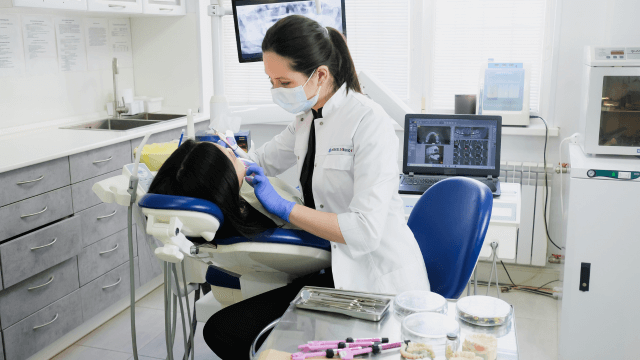
Imaging tools change how you and your dentist plan care. They show what your eyes cannot see. They reveal bone loss, hidden decay, infection, and cracks before you feel pain. This early warning gives you options. It lets you choose treatment with clear facts, not guesswork. In a dentist office in Tustin you might see digital X rays, 3D cone beam scans, and photos on a screen. Each image adds one more piece to your story. Together they guide implant planning, root canal work, and orthodontic steps. They also protect your health. They help your dentist spot signs of disease that link to heart strain and diabetes. This blog explains how these tools work, why they matter, and what you should ask during your visit. You deserve to see what your dentist sees.
Why imaging must be part of your dental plan
You want a clear plan, not guesswork. Imaging gives that. It supports three goals.
- Find problems early.
- Plan treatment with accuracy.
- Track changes over time.
First, early findings spare you from sudden pain. A small cavity on an X ray is easier to treat than a deep infection. Second, clear pictures help your dentist place implants, crowns, or braces with care. Third, stored images show how your teeth, gums, and bone change as you age. That record guides future choices.
The American Dental Association explains that X rays help find decay, bone loss, and infection that a simple exam can miss.
Common dental imaging tools and what they show
You do not need to know every technical term. You only need to know what each tool shows and why it matters to you and your family.
| Imaging tool | What you see | How it helps your plan |
|---|---|---|
| Digital X rays | Teeth, fillings, bone height | Find cavities, bone loss, infection around roots |
| Panoramic X ray | Whole mouth in one wide picture | Check wisdom teeth, jaw joints, cysts, and jaw shape |
| 3D cone beam scan | 3D view of teeth, bone, nerves, sinuses | Plan implants, surgery, and complex root canals |
| Intraoral camera | Close up color views of teeth and gums | Show cracks, wear, and plaque to you on a screen |
| Digital photos | Smile, bite, and face from many angles | Plan braces, aligners, and cosmetic changes |
Each tool has a job. Together they give a full picture of your mouth and jaw. That picture shapes a plan that fits your needs, not a guess based on a quick look.
Planning implants, braces, and other complex treatment
Imaging becomes even more important when you face bigger treatment. Three common examples show this clearly.
- Dental implants. A 3D cone beam scan shows bone thickness and the path of nerves. Your dentist can measure in fractions of a millimeter. That helps place the implant in strong bone and away from nerves.
- Root canal treatment. X rays and sometimes 3D scans show root length, shape, and infection spread. That guides the dentist as the work moves through each root.
- Braces or clear aligners. Photos, X rays, and sometimes 3D scans show how teeth line up with your jaw. That lets your dentist or orthodontist map each planned tooth movement.
Without clear images, these steps would rely on guesswork. That risk is not fair to you. Imaging brings control and calm to the plan.
Radiation, safety, and children
Many patients worry about radiation. That worry is human. You deserve straight facts.
Digital dental X rays use low doses. The U.S. Food and Drug Administration explains that modern dental X rays use controlled exposure and that dentists take them only when needed for diagnosis. You can review their guidance at FDA Dental Radiography.
You can protect yourself and your children by asking three simple questions.
- Why is this image needed today.
- How will it change the plan.
- Are past images available so we avoid repeats.
For children, dentists follow the “image gently” idea. They use smaller settings and take images only when they guide treatment. You can ask if your dentist follows child size settings and shields nearby parts of the body.
How imaging shapes your long term dental roadmap
A single image helps with a one time choice. A series of images across years helps with your life plan. You can think about three time frames.
- Short term. Find decay, cracks, and infection. Treat pain and stop damage.
- Medium term. Plan crowns, implants, and braces with clear goals.
- Long term. Watch bone levels and wear patterns. Adjust care as you age.
For example, if images show slow bone loss around several teeth, you can change your home care, ask about gum treatment, and plan for possible implants or bridges in the future. You stay ahead of the problem instead of reacting when teeth become loose.
Questions to ask at your next visit
You have a right to see and understand your images. At your next visit, you can ask three direct questions.
- Can you show me my images and explain what you see.
- How do these images change my treatment plan.
- How often do I need each type of image based on my risk.
You can also ask for copies of your images. Many offices can share them on a disc or through a secure portal. This helps if you seek a second opinion or move to a new dentist.
Using imaging to protect your whole health
Your mouth connects to the rest of your body. Some dental images can hint at larger health strain. Bone loss can reflect smoking or long term gum disease. Infections near tooth roots can stress your immune system. In some cases, images may show signs that suggest conditions like sinus trouble or even certain bone diseases. In those cases your dentist may refer you to a doctor for more checks.
When you understand what your images show, you can speak up about your medical history and concerns. That honest talk helps your dentist and your doctor support you together.
Imaging tools do more than take pictures. They give you knowledge. They protect you from surprise. They help you and your family move through dental care with clarity and control.