The Noises Will Tell You When to Replace Your Brakes
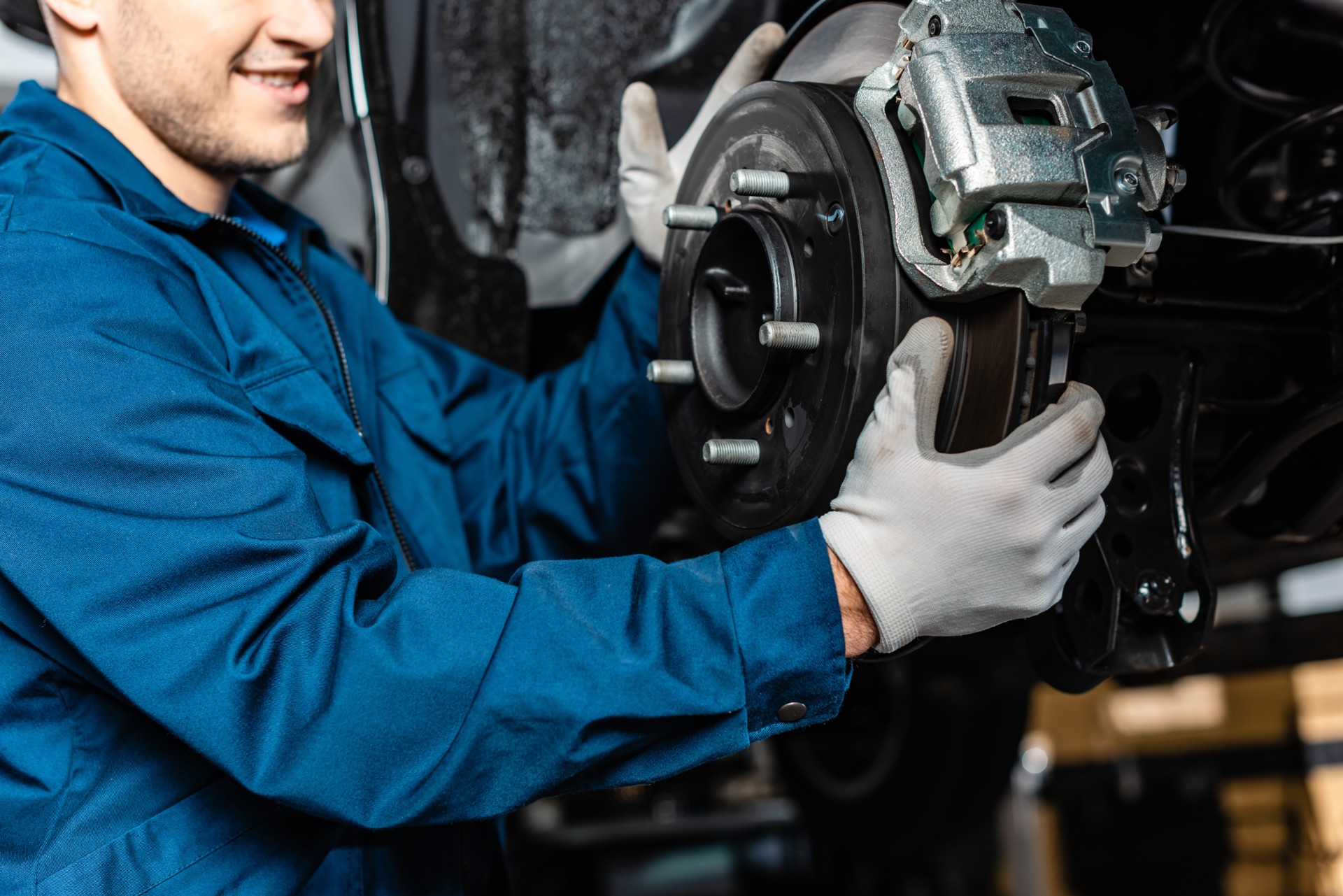
Everyone knows how vital properly working brakes are on a vehicle. But how do you know when it’s time to change your brake pads or rotors? There are some clear signs that indicate your brakes need attention.
Listen for Strange Noises
The most apparent sign is strange noises from the brakes when you press the brake pedal. This includes screeches, squeals, grinding noises or hums. These happen because the brake pad material that grips the rotor has worn down completely in spots. Now the metal brake pad backer is contacting the rotor directly, causing these sounds – time for new pads and probably rotors. You’ll definitely need to check out a brake shop Tempe AZ.
Feel for Vibrations
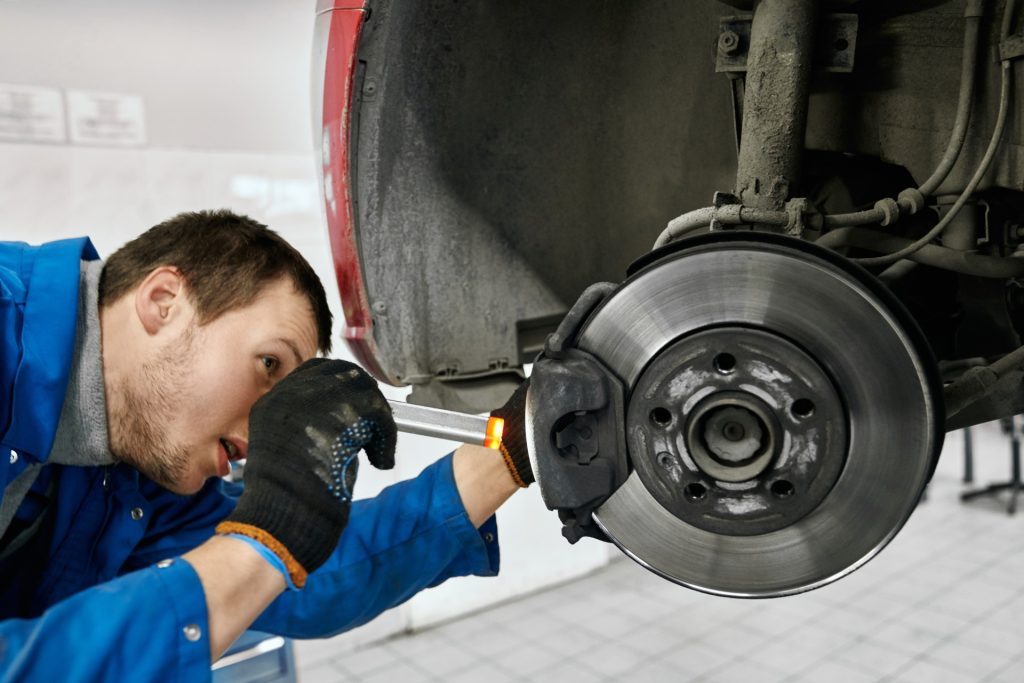
You may also feel the brake pedal vibrate under your foot when braking. This vibration is caused by uneven wear of the rotors. As the pads wear down, the rotors can develop ridges, pits, and grooves on the braking surface. New pads will still make full contact with high spots on the rotors instead of smooth, even contact all across. The vibration means those rotors need to be machined or replaced.
Notice Pedal Travel Changes
Another sign is having to push the brake pedal closer to the floor before the brakes start to engage and slow your car. That indicates worn brake pads that are thinner and closer to the rotor. Brake fluid also gets lower as the pads wear, which means it has to travel farther when you hit the brakes before pressure is created—time to get those pads swapped out.
Test for Pulling
Inconsistent or pulling braking can also clue you in. If the vehicle pulls to one side when braking, that points to uneven pad and rotor wear on that side. Replacing pads and machining or replacing rotors will solve that problem.
Deciding on Repairs
Once you determine a replacement is needed due to noises, pedal travel changes, or pulling, it’s time to decide whether just to replace pads or pads plus rotors. Most mechanics recommend rotor replacement or machining when pads are replaced to ensure you get perfectly smooth braking surface contact across new pads and rotors. The rotors develop ridges, grooves and uneven surfaces as the pads wear down. New pads won’t make flush contact if those same rotors are left in place. Getting them machined or replaced ensures full contact for optimal braking power. Going with just a pad slap leaf open the possibility of continued vibration or uneven wear of the new pads. Spending a little more upfront to do pads and rotors helps ensure the repair lasts as long as possible.
The Cost
The total job takes a few hours and drivers can expect to pay $300-700 or more for parts and labor. It takes less time and money if only the pads need replacement.
Maintain Your Brakes
Either way, you’ll gain peace of mind knowing your brakes perform reliably and safely stop your vehicle when needed after this maintenance is performed. Keep your ears and feel for brake pedal cues tuned in between scheduled brake inspections. Catching issues early allows smaller repairs instead of big problems down the road. Good brakes are essential for your safety, so take care of them.