The Complete Guide to Residential Siding: Protection, Performance, and Curb Appeal
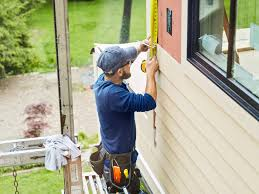
Residential siding is one of those parts of a home you notice every day, but you usually only think about when something goes wrong. A corner looks loose. Paint starts peeling. A mystery damp smell shows up after heavy rain. Or your heating and cooling bills quietly climb.
The good news is that siding is not just “the pretty layer.” When it is chosen well and installed correctly, it helps manage water, wind, temperature swings, and long-term wear, all while giving your home the look you want.
This guide breaks down what residential siding does, how to compare options, what installation quality really means, and how to know when repair is enough versus when replacement is the smarter move.
What Residential Siding Actually Does (Beyond Looking Nice)
Think of siding as a key part of a larger exterior system, not a standalone product. Done right, residential siding helps with:
- Weather protection: Siding is the first line of defense against rain, wind, snow, and sun.
- Moisture management: The goal is not “make the wall waterproof.” The goal is to control where water goes so it drains and dries properly.
- Durability: It takes the daily hits from UV exposure, freeze-thaw cycles, and impact.
- Energy performance (indirectly): Siding alone is not insulation, but the system can reduce drafts and support better wall performance when paired with proper housewrap, flashing, and insulation details.
- Curb appeal and resale confidence: A clean, consistent exterior signals that the home has been cared for.
If you remember only one thing, make it this: most siding failures are moisture failures. The material matters, but the details matter more.
Popular Residential Siding Materials (Pros, Cons, and Best Fits)
There is no single “best” choice for every home. The right residential siding depends on your climate, budget, style, and how much maintenance you are willing to do.
Vinyl siding
Why people like it: Budget-friendly, low maintenance, widely available in colors and profiles.
Watch-outs: Quality varies. Impact resistance and fading depend on grade. Installation details around windows and corners are critical.
Fiber cement siding
Why people like it: Strong durability, great paint performance, and a crisp, wood-like appearance.
Watch-outs: Heavier material, more labor-intensive install. Cutting requires proper dust control and correct fastening patterns.
Engineered wood siding
Why people like it: More consistent than traditional wood, attractive, often lighter than fiber cement.
Watch-outs: Like any wood-based product, moisture control is everything. Edges, cut ends, and clearances must be handled correctly.
Traditional wood siding
Why people like it: Classic look, easy to customize, repairable in sections.
Watch-outs: Higher maintenance. Requires careful painting or staining cycles and attention to rot-prone areas.
Metal siding (steel or aluminum)
Why people like it: Clean modern lines, good longevity, and strong resistance to pests and rot.
Watch-outs: Can dent with impact. Requires thoughtful detailing to prevent oil-canning and to manage expansion.
A quick way to narrow choices: decide your “non-negotiables” first (low maintenance, premium look, maximum durability, or lowest cost), then compare materials within that lane.
Installation Matters More Than the Brand Name (Here’s Why)
You can buy a great product and still end up with a mess if the system is installed poorly. A high-quality residential siding job depends on details you often cannot see from the street:
1) Water-resistive barrier (WRB) and flashing
Housewrap or another WRB helps shed water that gets behind the siding. Flashing around windows, doors, roof-to-wall areas, and penetrations guides water out and away.
Common failure point: missing or incorrect flashing, especially at window heads and where walls meet roofs.
2) Ventilation and drainage approach
Some wall assemblies need a small drainage space (a “rainscreen” style gap) to help moisture dry out. In certain climates and home designs, this can be a major durability upgrade.
3) Correct fastening and movement allowance
Many siding types expand and contract. If installers nail too tightly or ignore manufacturer spacing rules, panels can buckle, warp, or crack.
4) Proper clearances
Siding should not be jammed against roofing, decking, or the ground. Clearances help prevent wicking moisture and premature deterioration.
If you are hiring a contractor, ask them to explain their moisture-management plan in plain language. If they cannot, that is a useful data point.
Repair vs Replace: How to Decide
Repairs can be a smart move when damage is limited and the system underneath is healthy. Replacement is often the better call when problems are widespread or repeated.
Repair may make sense when:
- Damage is isolated (a few panels, a small corner section)
- No signs of rot or sheathing damage underneath
- The existing material is still performing well overall
Replacement may be smarter when:
- You see recurring moisture issues (staining, soft spots, interior wall symptoms)
- Many sections are loose, warped, or cracked
- The siding is at the end of its service life
- You want to improve the exterior system as a whole (WRB, flashing, insulation details)
A professional assessment should look beyond what is visible. The goal is not just to “make it look better,” but to confirm the wall can shed water correctly.
Maintenance Tips That Actually Extend Siding Life
Residential siding tends to last longer when small issues are handled early. A simple routine helps:
- Walk the perimeter twice a year. Look for loose panels, open seams, and damaged caulk lines.
- Check high-risk areas: under windows, near downspouts, and where roofs meet walls.
- Keep gutters and drainage working. Overflowing gutters can mimic “siding problems.”
- Wash gently when needed. Avoid aggressive pressure washing that can force water behind siding.
- Trim vegetation back. Constant damp shade and rubbing branches do no favors for any material.
If you are seeing repeated issues, it is worth reviewing the installation details, not just the surface symptoms.
How to Choose a Contractor (Without Becoming a Siding Expert Overnight)
You do not need to memorize building science to hire well. You do need a few good questions:
- “How do you handle flashing and water control around windows and doors?”
- “Will you replace any damaged sheathing or trim you find?”
- “What manufacturer installation guidelines do you follow for this product?”
- “How do you handle ventilation or drainage behind the siding if needed?”
- “What does your workmanship warranty cover?”
Also, look for contractors who invest in training and certification. Many reputable exterior companies maintain manufacturer credentials in roofing, such as being GAF Certified. While that certification is roofing-specific, it can signal a broader commitment to doing exterior work the right way, with documented standards and accountability.
Bottom Line: Residential Siding Is a System, Not Just a Surface
Residential siding is one of the best “quiet upgrades” you can make to a home because it improves both protection and appearance. Focus on the system, prioritize moisture management, and choose a material that matches your maintenance preferences.
When residential siding is installed with the right water-control details, it is not just curb appeal. It is confidence every time the weather turns.