Sustainable Scrap Metal Recycling: Innovations and Environmental Impact
Key Takeaways
- Advancements in recycling technology are revolutionizing how scrap metal is reclaimed and reused.
- Recycling metals reduces carbon footprints, conserves natural resources, and lessens the need for new mining.
- Innovative strategies are continuously emerging to resolve impurity and quality challenges in the recycling process.
Scrap metal recycling has become a cornerstone of modern environmental stewardship, playing a key role in the global shift toward sustainability. Turning discarded metal into new, usable products not only reduces solid waste streams but also significantly curbs harmful emissions from the production of virgin metals. These practices are not restricted to large industries; individuals now participate more than ever by bringing items to local centers to recycle copper, steel, aluminum, and other commonly used metals. This hands-on involvement at both personal and corporate levels illustrates the broad appeal and accessibility of metal recycling as a direct way to contribute to planet-friendly initiatives.
The proactive collection, sorting, and processing of scrap metal offer substantial benefits beyond simple waste management. By repurposing existing materials, we avoid the need to extract and refine raw ores, a process that has long been associated with deforestation, habitat destruction, and water contamination. In addition to conserving finite resources, recycling processes minimize pollution, foster cleaner production cycles, and can even lower manufacturing costs for businesses, making it economically attractive.
Both market demand and regulatory pressures continue to fuel momentum in favor of sustainability. Cutting-edge innovations are streamlining the recycling industry, reducing operational costs, and improving end-product quality. These advances live at the intersection of environmental awareness and technological ingenuity, turning what was once considered waste into valuable assets. As more communities recognize this potential, regional and national programs empower citizens and industries to adopt greener waste-handling practices.
The increasing worth of scrap metal worldwide also motivates governments and companies alike to upgrade their recycling programs and pass supportive legislation. Such policies are designed to ensure safer, more dependable systems for material recovery and reinvestment, an essential factor for meeting international sustainability targets and maintaining global competitiveness in the metals market.
Technological Advancements in Scrap Metal Recycling
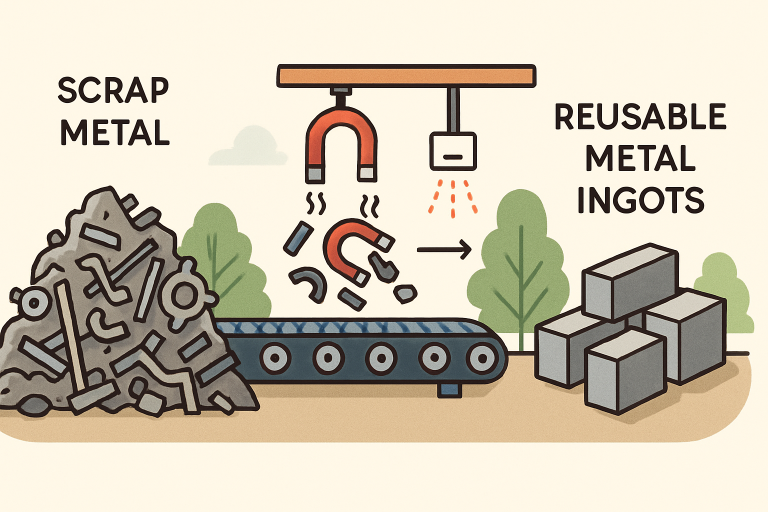
Strategic investment in research has enabled the scrap metal industry to develop inventive processes that drastically reduce energy consumption and improve the quality of recycled outputs. For instance, new solid phase alloying techniques now make it possible to convert aluminum waste directly into high-performance alloys without resorting to energy-intensive melting. This breakthrough not only slashes energy use but also significantly reduces the carbon emissions associated with traditional smelting operations. Automated sorting systems equipped with sensors and artificial intelligence are likewise revolutionizing how quickly and accurately different metals are separated at processing plants. These innovations enable more consistent product quality and expand the range of scrap materials that can be profitably recycled.
Environmental Benefits of Metal Recycling
The environmental impact of responsible metal recycling cannot be overstated. Every ton of metal that is recycled represents a ton of material that does not end up in overburdened landfills, thereby extending landfill life and preventing harmful chemicals from leaching into the soil and groundwater. Beyond reducing solid waste, the process also drastically reduces the energy required to produce metals. Using recycled aluminum, for example, conserves up to 95% of the energy required compared to extracting bauxite ore. In steel manufacturing, the savings are similarly impressive, with recycling typically cutting energy use by up to 74%. These differences translate into lower greenhouse gas emissions, a lighter carbon footprint, and a considerable reduction in air and water pollution that mining and ore smelting can create.
Moreover, incorporating recycled metals into manufacturing eliminates the need for environmentally destructive mining. This not only protects sensitive ecosystems and reduces disruption to wildlife habitats but also lessens the societal costs associated with mine site remediation and the health impacts on surrounding communities. Such sweeping benefits underscore why recycling is now central to corporate sustainability policies and government environmental strategies alike.
Addressing Impurities in Recycled Metals
One of the chief technical hurdles in metal recycling concerns the presence of impurities, unwanted elements like iron in aluminum, that can diminish a recycled product’s performance or durability. Historically, these impurities have limited the number of times metal could be recirculated and the applications it could be used for. However, technologies such as direct strip casting and advanced mechanical or chemical sorting are enabling the minimization or effective removal of contaminants during the recycling process. These improvements are vital, as they enable recycled metals to meet stringent industry standards for engineering, construction, automotive, and electronics use. What was once a limiting factor is quickly becoming surmountable through rapid progress in process control and purification techniques. For more details about breakthroughs in impurity management, refer to this Nature article.
Economic Impact and Job Creation
The global movement from a linear take-make-dispose model to a circular economy based on reuse and recycling is reshaping industry dynamics. The implementation of electric arc furnaces, which rely heavily on scrap metal, not only makes steelmaking greener but also generates substantial economic value. As companies invest in efficient collection, sorting, and processing, new job opportunities emerge throughout the supply chain, from scrap car yards and electronics recyclers to high-tech materials recovery facilities. According to sector studies, every 10,000 tons of recycled materials generates many more jobs compared to sending the same amount to landfill or incineration. This boost in employment and productivity offers communities long-term benefits and enhances national economic resilience.
Global Efforts in Metal Recycling
Countries around the world are blazing new trails in metal recycling in response to environmental pressures and a desire for resource independence. Taiwan exemplifies a success story through its urban mining initiatives, which efficiently recover high-value metals from discarded electronics, appliances, and city infrastructure. These well-organized programs don’t just provide an alternative to traditional mining; they actively prevent the accumulation of hazardous waste, protect the environment, and supply the domestic industry with a steady stream of raw materials. Government education campaigns, stringent regulations, and public-private partnerships fuel their progress, which serves as a model for other nations seeking to implement or improve recycling frameworks.
Challenges and Future Directions
Yet even as technology and recycling support improve globally, the scrap metal industry faces ongoing challenges. The unofficial or illegal export of unprocessed electronic and metallic waste to countries without robust recycling infrastructure heightens human health and environmental risks. Such practices expose vulnerable populations, especially in developing nations, to hazardous conditions and limit opportunities for safe material recovery. Overcoming these issues requires strict policy enforcement, greater investment in modern recycling facilities, and expansion of international collaboration. Additionally, raising consumer awareness and incentivizing responsible disposal will be essential in ensuring a steady, high-quality supply of recyclable scrap into the future.
Conclusion
Sustainable scrap metal recycling is an essential practice for preserving the environment and supporting economic vitality. New recycling technologies, enhanced regulations, and stronger cooperation across borders are paving the way for transformative change, offering everyone, from individuals to multinational corporations, a role in creating a greener global community. The challenges are significant, but with creative problem-solving and shared commitment, sustainable scrap metal recycling will continue to evolve as a pivotal strategy for future prosperity, benefiting both people and the planet for generations to come.