Sustainable Construction Trends in Residential Solar Energy

Key Takeaways
- Integration of solar technologies into building materials is enhancing energy efficiency and aesthetics.
- Net-zero energy homes are becoming more prevalent, driven by advancements in design and technology.
- Community solar projects are expanding access to renewable energy for a broader population.
- Innovations in solar-integrated materials are contributing to the growth of sustainable construction practices.
Introduction
The growing awareness of climate change and the need for eco-friendly housing is reshaping the construction industry. Builders and homeowners are increasingly focusing on sustainability, with solar energy taking center stage in residential developments. Early adoption of innovative energy solutions is becoming the hallmark of forward-thinking home design, helping property owners cut utility costs and make a positive environmental impact. Thanks to advancements in materials and technology, solar is no longer just an afterthought for rooftops, but a foundational aspect of new construction. As companies like Green Tech Construction lead the way in integrating innovative solar solutions, the possibilities for future-proof homes continue to expand.
Whether you are a prospective homeowner or an industry professional, understanding the latest trends in sustainable construction is vital. Sustainable building practices are now converging with aesthetics, function, and value in ways never seen before. As these trends accelerate, solar-powered homes are not only reducing reliance on fossil fuels but also setting new benchmarks for comfort, convenience, and modern living.
Building-Integrated Photovoltaics (BIPV)
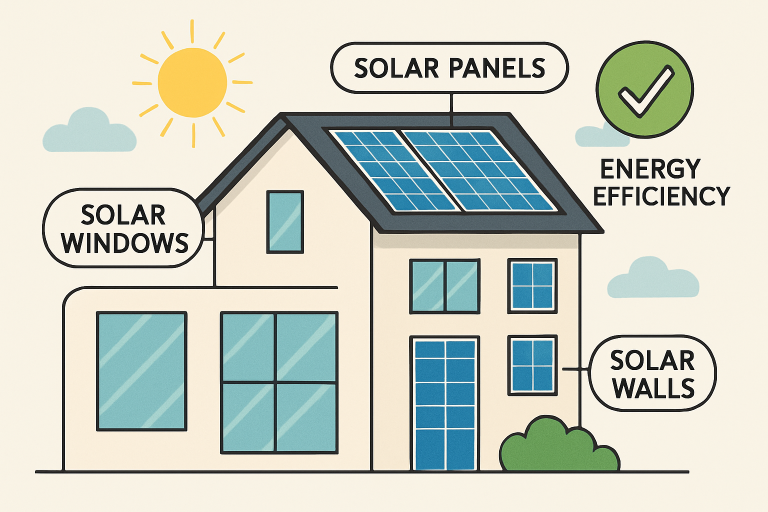
A transformative trend in solar adoption is the use of Building-Integrated Photovoltaics (BIPV). This innovative approach seamlessly embeds photovoltaic materials into traditional building products such as tiles, shingles, and glass. By turning windows, facades, and roofs into energy-generating surfaces, BIPV enables maximum solar energy harvesting without compromising architectural design. Notable projects like the Solar Umbrella House in Los Angeles illustrate this trend, where 95% of the residence’s electricity needs are met through integrated solar technologies. These solutions are also being adopted globally as governments and architects aim for both energy efficiency and visual appeal in housing developments, a trend highlighted by ongoing research in publications such as Wikipedia.
Net-Zero Energy Homes
Net-zero energy homes are becoming more common, with an emphasis on generating clean energy on-site to match or exceed annual consumption. These homes use a combination of passive design strategies, high-performance windows, solar generation, and energy storage to reduce overall energy demand to near zero. Communities such as Green Acres in New York have shown that net-zero goals are achievable at scale, particularly when renewable energy generation is paired with energy-saving appliances and superior insulation.
This movement is supported by increasing consumer interest and tighter building codes. Reports from organizations such as the U.S. Department of Energy show a steady increase in green construction starts over the past few years, with net-zero homes becoming a standard for energy-conscious buyers rather than a luxury exception.
Community Solar Projects
For those unable to install panels on their homes, community solar projects expand access to clean energy. These shared solar arrays allow multiple participants to purchase or lease a share of a larger solar installation, earning credits that reduce their home energy bills. As of early 2025, 24 states and Washington, D.C., support regulatory frameworks for community solar, promoting access for renters, homeowners with shaded roofs, and those in restrictive HOA environments. Programs often include special incentives to support low- and moderate-income families, further democratizing participation in renewable energy. Industry leaders and government agencies, including the National Renewable Energy Laboratory (NREL), are tracking rapid growth in this sector, which is expected to account for a significant portion of new solar deployments in the coming decade.
Advancements in Solar-Integrated Materials
The solar-integrated construction materials market is booming, with a projected growth trajectory toward $259.2 billion by 2034. The evolution of self-cleaning solar surfaces, longer-lasting photovoltaic films, and intelligent monitoring platforms is making it easier and more affordable for homeowners to adopt solar. Enhanced durability and efficient energy conversion influence adoption rates, as does the growing emphasis on sustainability in residential real estate markets. Notable advances also include flexible solar panels that can be incorporated into unconventional surfaces, opening up new architectural possibilities.
With these trends, innovators are offering efficiency and style in tandem, providing buyers with options that complement rather than detract from home design.
Policy and Incentives
Government incentives remain a critical catalyst for residential solar adoption. The federal Investment Tax Credit (ITC), covering 30% of solar project costs through 2032, continues to stimulate significant interest among homeowners and investors alike. Additional incentives are available in select states, targeting projects in historically underserved or low-income areas. These financial policies lower the initial cost barrier and help ensure that the benefits of solar energy are more broadly distributed across communities. State-level rebate programs, utility credits, and regulatory improvements further strengthen the case for sustainable construction and renewable energy investment. For a deeper dive into available incentives, consult comprehensive policy guides from organizations such as the U.S. Department of Energy.
Challenges and Considerations
Despite continued momentum, some barriers to widespread solar adoption remain. While initial installation costs are declining, they can still pose a challenge for some homeowners. Regulatory uncertainties and permitting delays can slow project timelines. Additionally, rapid technological changes mean that education and workforce training need to keep pace, ensuring that new installations deliver maximum efficiency and long-term value. Greater collaboration between policymakers, construction professionals, and the solar industry is essential for solving these issues. As the market expands, continuous research will be key to lowering costs and streamlining processes, ultimately supporting more rapid progress toward sustainable, energy-independent homes.
Conclusion
The adoption of solar energy in residential construction plays a central role in advancing sustainable communities. Trends such as BIPV, net-zero homes, community solar initiatives, and ever-improving solar-integrated materials are driving positive change. With continued innovation and responsive policy, the era of sustainable, energy-efficient housing is no longer a distant vision but a fast-approaching reality.