Parasite Prevention 101: Fleas, Ticks, Heartworms, and Intestinal Worms
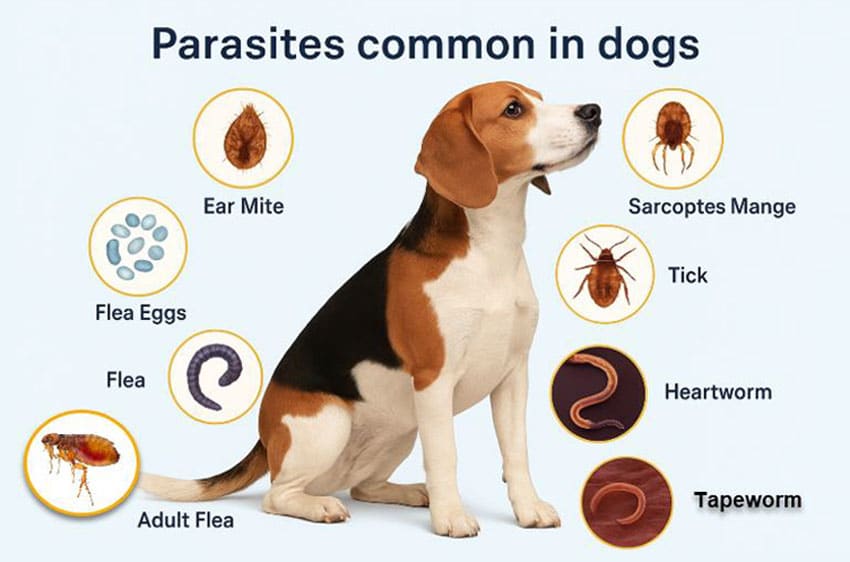
Parasites attack in quiet ways. They drain health, spread disease, and cause steady pain that you might not notice at first. Fleas chew skin and trigger infection. Ticks carry germs that damage joints and organs. Heartworms clog the heart and lungs. Intestinal worms steal food and leave your pet weak. You want to stop all of that before it starts. This guide explains how each parasite works, how it spreads, and what you can do today. You learn what to watch for, what to ask during vet visits, and which habits protect your home. You also see how a Beaumont, TX animal hospital approaches year-round prevention. With clear steps and plain language, you can guard your pet’s body, protect your family, and avoid sudden emergencies. Start now. Your pet depends on you.
Why parasite control matters for your home
Parasites do more than itch. They carry germs that hurt pets and humans. They spread through bites, eggs in soil, and contact with stool or wildlife. They also move fast from one pet to another.
Without steady prevention, you face three risks.
- Your pet can suffer from anemia, organ damage, or lasting pain.
- Your family can face infections from bites or contact with contaminated soil.
- Your budget can strain under emergency treatment and long recovery.
You lower those risks when you use monthly prevention, keep vaccines current, and plan regular vet checks. You also protect children who play on the floor or in the yard.
Fleas: tiny jumpers with big impact
Fleas live in carpets, yards, and bedding. They jump onto your pet, feed on blood, and lay eggs that fall into your home. Then the cycle repeats.
Watch for three common signs.
- Frequent scratching or chewing at the skin
- Black specks that look like pepper on fur or bedding
- Hair loss, scabs, or red skin
Fleas can spread tapeworms and cause severe blood loss in small or young pets. They also bite people and turn your home into a stressful place.
Strong flea control uses three steps. Use monthly flea prevention for every pet in the home. Wash bedding often with hot water. Clean floors and soft furniture on a set schedule.
Ticks: silent carriers of disease
Ticks wait on grass or shrubs. They grab onto your pet as it walks by. Then they attach and feed for hours or days. During that time, they can pass on germs that cause Lyme disease and other serious illnesses.
Check your pet after every walk or hike. Look at three places in particular.
- Inside and around ears
- Under the collar and between toes
- Along the tail, under legs, and around the face
If you find a tick, remove it with fine tweezers. Grip close to the skin and pull straight out with steady pressure. Clean the skin after removal.
Use tick preventives year-round if you live in a warm climate. Ticks stay active whenever temperatures are above freezing. The Centers for Disease Control and Prevention tick guidance supports year-round protection for pets in many parts of the country.
Heartworms: hidden damage to heart and lungs
Heartworms spread through mosquito bites. A mosquito bites an infected animal, then bites your dog or cat. Tiny worms grow inside your pet and settle in the heart and lungs. You may not see early signs. By the time symptoms show, damage is often severe.
Heartworm disease can cause three key problems.
- Cough and trouble breathing
- Exercise intolerance or sudden fatigue
- Heart failure and organ damage
There is treatment for dogs, but it is long and stressful. There is no safe cure for cats. Prevention is much safer. Monthly heartworm medicine keeps larvae from growing into adults. The American Heartworm Society and many public health partners stress monthly prevention and yearly testing as the safest plan.
Intestinal worms: hidden thieves of strength
Intestinal worms include roundworms, hookworms, whipworms, and tapeworms. Pets pick them up from soil, stool, prey animals, or fleas. Puppies and kittens can even get some worms before birth or through milk.
Common signs include three things.
- Soft stool, diarrhea, or blood in stool
- Weight loss or poor growth
- Bloated belly or low energy
You may also see worms in stool or near the tail. Yet many infections show no clear signs. That is why regular stool checks matter. The CDC pet parasite resource explains how some of these worms can infect humans, especially young children.
Comparison of common parasites and prevention
| Parasite | Main spread | Key risk | Primary prevention |
|---|---|---|---|
| Fleas | Contact with infested pets or environments | Skin infection and tapeworm spread | Monthly flea medicine and home cleaning |
| Ticks | Grass, shrubs, wildlife contact | Tick borne disease | Tick preventives and daily tick checks |
| Heartworms | Mosquito bites | Heart and lung damage | Monthly heartworm prevention and yearly tests |
| Intestinal worms | Soil, stool, prey, fleas, from mother | Weight loss and human infection risk | Regular deworming and stool checks |
Simple steps you can start today
You do not need complex plans. You need steady habits. Focus on three daily and monthly actions.
- Give monthly parasite preventives on the same date each month. Use a calendar or phone reminder.
- Keep your yard and home clean. Pick up the stool, mow the grass, wash bedding, and vacuum often.
- Schedule regular vet visits for exams, heartworm tests, and stool checks.
During each visit, ask which products protect against fleas, ticks, heartworms, and intestinal worms at the same time. Ask how often your pet needs stool checks. Ask how to adjust prevention if you travel or move.
Protect your pet, protect your family
Parasites do not respect walls or fences. When you guard your pet, you also guard your home and your loved ones. Steady prevention, clean habits, and regular vet checks form a strong shield. You cannot see every threat, but you can cut its power.
Your pet trusts you. Use that trust to keep them safe, strong, and free from quiet damage.