Outdoor Gear Essentials: Must-Have Items for Every Adventure
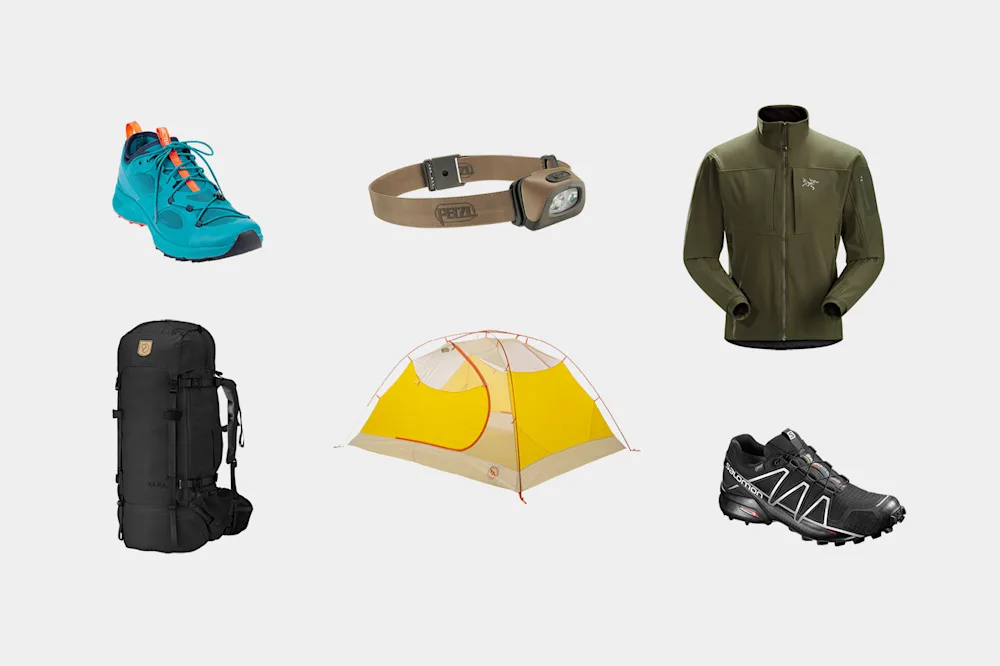
Key Takeaways
- Proper preparation and the right gear are essential for safety, comfort, and enjoyment during any outdoor adventure.
- Selecting reliable, purpose-built equipment helps adventurers handle weather changes, challenging terrain, and unexpected situations.
- The “Ten Essentials” provide a proven foundation for emergency readiness and trip planning, regardless of experience level.
- Clothing, footwear, navigation tools, and emergency supplies should be chosen based on trip length, environment, and conditions.
- Thoughtful planning and packing transform outdoor excursions into safer, more confident, and more memorable experiences.
Introduction
Every outdoor adventure, whether it’s a weekend hike, a camping retreat, or an extended backpacking trip, begins with proper preparation. Equipping yourself with the right gear not only provides comfort but also ensures your safety and well-being in unpredictable environments. The right gear selection empowers you to handle weather changes, navigate unfamiliar terrain, and enjoy your excursion to the fullest.
If you are planning your first outdoor journey or looking to upgrade your setup for an upcoming trip, understanding which items are truly essential can make planning less overwhelming. Reliable guidance is key, and communities like The Outside Society offer valuable advice and real-world experience regarding essential outdoor equipment.
The must-haves for any outdoor mission stem from decades of collective wisdom, passed down by explorers and refined through experience. This guide breaks down the most critical gear to pack, so every outing becomes a positive memory and a safe adventure. Incorporate these items into your checklist, and you will be prepared for whatever nature throws your way.
Preparation is not just about comfort. It is about being ready for the unexpected. From high-altitude hikes to family camping weekends, your gear selection can make the difference between hardship and an enjoyable adventure.
The Ten Essentials
The original “Ten Essentials” were conceived to help mountaineers and outdoor enthusiasts prepare for emergencies and unforeseen challenges. Today, these essentials benefit anyone setting out into the wilderness. The core components include:
- Navigation: Carry a detailed topographic map, a compass, and a reliable GPS device for route-finding.
- Headlamp: Include a headlamp or flashlight along with spare batteries for illumination after dark.
- Sun Protection: Use sunglasses, sun-protective clothing, and high-SPF sunscreen to shield against sun exposure.
- First Aid: Bring a comprehensive first aid kit, including blister care and insect repellent.
- Knife and Repair Kit: Have a sturdy knife and a repair kit for gear, footwear, and emergencies.
- Fire: Carry waterproof matches, a lighter, fire starters, or a compact backpacking stove for warmth and cooking.
- Shelter: Always pack an emergency bivy, tent, or tarp, regardless of weather forecasts.
- Extra Food: Pack enough food for an additional day or more, in case your trip takes longer than planned.
- Extra Water: Bring more water than you expect to use, and know how to treat water from natural sources.
- Extra Clothing: Carry additional layers suited for sudden temperature drops.
These essentials should reside in every pack, regardless of your adventure’s length or difficulty, as they increase your ability to respond effectively to mishaps or delays.
Clothing and Footwear
The clothing you wear and the shoes or boots you lace up can make or break your experience on the trail. Layering is recommended: begin with a base layer to wick moisture, add an insulating layer for warmth, and finish with a wind- and waterproof shell to protect against the elements. Cotton is generally avoided as it retains moisture and can lower your core temperature.
- Footwear: Opt for boots or shoes specifically designed for the terrain you will be traveling on. Ankle support, cushioning, and grip are critical.
- Accessories: Hats, moisture-wicking socks, gloves, and gaiters can greatly enhance comfort and protection.
Make clothing and footwear decisions based on the climate, season, and expected weather. Layering provides the flexibility needed as temperatures and conditions shift. Essentials like a lightweight rain jacket, sun hat, or insulated gloves and hat can keep you comfortable in nearly any conditions.
Backpacks and Storage
Choosing the right backpack is more than a matter of convenience. It allows you to carry your gear efficiently and reduces fatigue. Select a backpack sized for your trip’s duration. For day hikes, a 15-30-liter pack usually suffices, while multi-day trips require a pack of 40 liters or larger.
- Capacity: Match the backpack’s volume to the amount of gear and provisions needed.
- Fit: Comfort is paramount. Look for adjustable shoulder and hip straps, along with load-lifting features that distribute weight across your hips and shoulders.
- Features: Organizational compartments, hydration bladder compatibility, and straps for trekking poles or sleeping bags can make travel easier.
Try on several models with your weight before purchasing. A good fit keeps your gear stable and the load balanced, reducing strain. Many specialty retailers offer free in-store fittings to customize your setup.
Navigation Tools
Getting lost in the outdoors is a common risk for adventurers of any skill level, making dependable navigation tools essential. A waterproof topographic map accompanied by a magnetic compass never runs out of batteries and can work in dense forests or deep valleys where electronic devices might not.
- GPS Device: Many hikers supplement traditional tools with a handheld GPS for on-demand location information.
- Personal Locator Beacon (PLB): PLBs can transmit distress signals in emergencies, which can be lifesaving if you are traveling off the beaten path.
Mastering the basics of map and compass navigation is as important as bringing them along. Many outdoor gear retailers and national parks offer orienteering classes to build your confidence and skills.
First Aid and Emergency Supplies
Accidents in the wild can happen without warning. A compact and well-organized first aid kit is indispensable. Kits should be tailored to the number of people, duration, and any known medical conditions.
- Bandages, sterile gauze, and adhesive tape for wounds.
- Antiseptic wipes and ointment for cleaning injuries.
- Moleskin or blister pads to manage hotspot areas early.
- Personal prescription medications and allergy relief.
- Emergency blanket for immediate warmth and shelter.
Include a multi-tool for repairs and a whistle to signal for help. Regularly review the contents of your kit to keep it ready for all scenarios.
Hydration and Nutrition
Proper hydration and nutrition fuel your physical and mental stamina. Carry at least two liters of water per person for a day hike and know where to find or treat natural sources using filters, tablets, or UV purifiers.
- Food: Bring lightweight, energy-rich options such as trail mix, dried fruit, nut butters, and protein bars.
- Cooking Gear: For longer trips, a compact stove and nesting cookware offer flexibility and convenience
Always err on the side of caution when packing food and water, and plan for extra in case of delays. A simple hot meal can provide comfort and morale in challenging conditions.
Lighting and Fire
Sunsets in the wild can surprise you, so reliable artificial lighting is a must. A headlamp keeps your hands free for setting up camp, cooking, or walking safely at night. Carry spare batteries, and consider a backup flashlight for redundancy.
- Fire-starting Tools: Pack waterproof matches, a refillable lighter, and a few fire starters. In emergencies, fire serves as warmth, protection, and a vital cooking method.
Be familiar with safe fire-building practices and respect local fire regulations to reduce risk to yourself and the environment.
Final Thoughts
The foundation of a safe and enjoyable outdoor adventure lies in careful preparation and reliable gear. By prioritizing the Ten Essentials and tailoring your packing list to your unique journey, you are equipped not only for adventure but also for whatever surprises may arise along the way. Experienced outdoor enthusiasts know that preparation brings confidence, letting you focus on the thrills and beauty of the natural world. Plan thoroughly, prepare wisely, and enjoy your next adventure with peace of mind and excitement.