Managing Institutional Growth With Digital Platforms
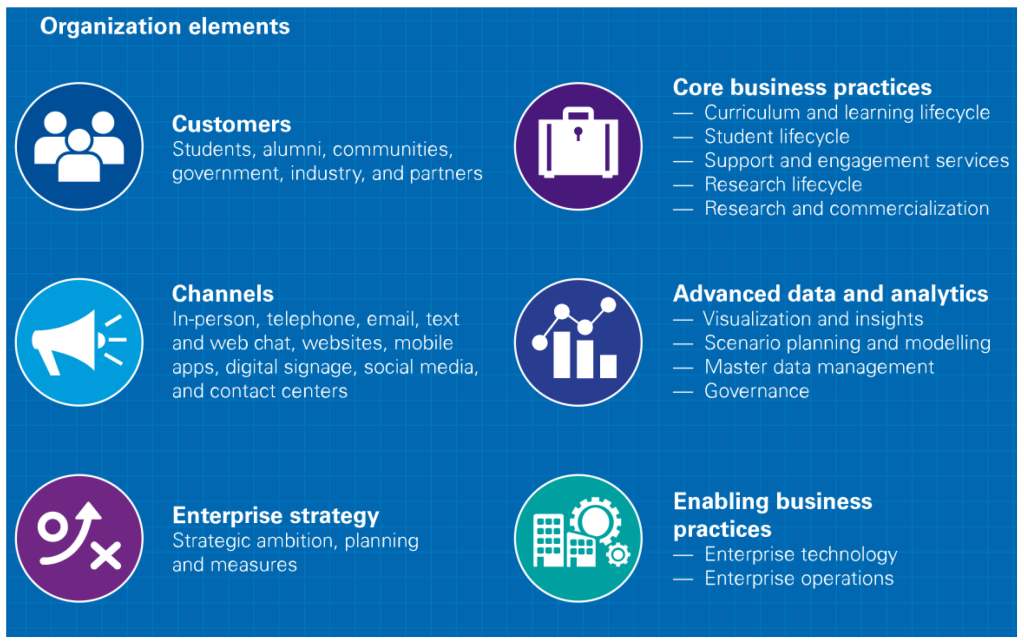
Educational institutions are under constant pressure to grow. New programs, more students, and expanding campuses all demand better coordination. Growth brings opportunity, but it also introduces complexity.
This is where higher education crm systems start to address a major institutional challenge. They help institutions manage relationships, communication, and engagement at scale. Without structured platforms, growth often leads to confusion instead of progress.
Managing growth successfully requires more than ambition. It requires control and visibility.
The Problem With Unstructured Institutional Growth
Many institutions grow faster than their systems. New departments form. Student numbers increase. Staff roles expand. When processes remain manual, coordination becomes difficult.
Common growth challenges include:
- Fragmented communication
- Inconsistent student engagement
- Overloaded administrative teams
- Limited visibility into operations
When growth outpaces systems, institutions struggle to maintain quality and consistency. Small inefficiencies multiply into major issues.
Why Growth Creates Pressure Across Teams
Growth affects everyone. Academic teams handle more students. Administrative teams manage more records. Leadership faces higher expectations.
Teams often feel:
- Stretched by increasing workloads
- Unclear about priorities
- Disconnected from institutional goals
Empathy matters here. Growth pressure is rarely due to poor planning. It often comes from systems that were never designed to scale.
Institutions need platforms that support expansion without increasing stress.
Creating Structure as Institutions Expand
Sustainable growth depends on structure. Institutions need clear processes for communication, engagement, and coordination.
Digital platforms help institutions:
- Centralise engagement data
- Maintain consistent communication
- Track interactions across the student lifecycle
This structure allows institutions to grow without losing control. Teams stay aligned even as operations expand.
Aligning Workforce Operations With Growth Goals
Institutional growth affects staff as much as students. More programs and students require better workforce planning and coordination.
This is where human resource management school processes become critical. When staff operations align with growth strategies, institutions manage expansion more effectively.
Aligned workforce systems help institutions:
- Track staff availability accurately
- Balance workloads fairly
- Plan hiring based on real needs
Staff feel supported instead of overwhelmed. Growth becomes manageable instead of chaotic.
Improving Coordination Between Departments
Growth increases interdependence between departments. Admissions, academics, support services, and administration must work closely together.
Digital platforms improve coordination by:
- Sharing data across departments
- Reducing duplicate work
- Aligning teams around shared goals
Better coordination reduces friction and improves efficiency across the institution.
Supporting Leadership With Clear Institutional Insight
Leadership decisions become more complex as institutions grow. Without clear insight, planning becomes reactive.
Structured digital platforms provide leaders with:
- Visibility into engagement trends
- Insight into operational capacity
- Data to support strategic planning
Leaders make confident decisions when they understand the full picture.
Scaling Student Engagement Without Losing Personalisation
As student numbers rise, maintaining personal engagement becomes challenging. Manual communication struggles at scale.
Digital platforms support engagement by:
- Segmenting communication effectively
- Tracking student interactions
- Supporting timely follow-ups
Institutions maintain a personal touch even as they grow. Engagement quality does not decline with scale.
Reducing Operational Risk During Expansion
Growth introduces risk. Poor coordination, missed communication, and staffing gaps can affect reputation and outcomes.
Structured platforms reduce risk by:
- Maintaining consistent processes
- Providing early warning signs
- Supporting compliance and reporting
Institutions expand with confidence instead of uncertainty.
Overcoming Resistance to Growth-Supporting Technology
Change often meets resistance. Teams may worry about learning new systems or disrupting routines.
Gradual adoption helps:
- Start with core engagement processes
- Train teams in stages
- Expand platform use over time
Confidence builds as benefits become visible.
Long-Term Benefits of Structured Growth Management
When institutions manage growth with the right platforms, long-term benefits follow.
These include:
- Stronger operational stability
- Improved staff satisfaction
- Better student experiences
Growth becomes sustainable and strategic.
Closing Thoughts
Institutional growth should strengthen education, not strain systems. Without structure, expansion leads to inefficiency and stress.
Digital platforms help institutions manage growth with clarity and control. Teams stay aligned, engagement remains strong, and leadership plans with confidence.
Institutions that invest in structured growth management build foundations for long-term success and resilience.