London’s Modern Designs vs. Hampshire’s Classic Charm: A Residential Architecture Guide
The architectural landscape of the United Kingdom is a fascinating blend of history and innovation, and nowhere is this more evident than in London and Hampshire. London, a bustling metropolis, is celebrated for its cutting-edge, modern designs that push the boundaries of creativity. In contrast, Hampshire, nestled in the English countryside, offers timeless classic charm rooted in tradition. This blog explores how these two regions differ in their residential architecture, catering to diverse tastes and lifestyles.
London: A Hub of Modern Architectural Innovation
London’s skyline is a testament to its embrace of modernity. The residential architects London reflects its role as a global hub of innovation, characterized by:
- Sleek Minimalism
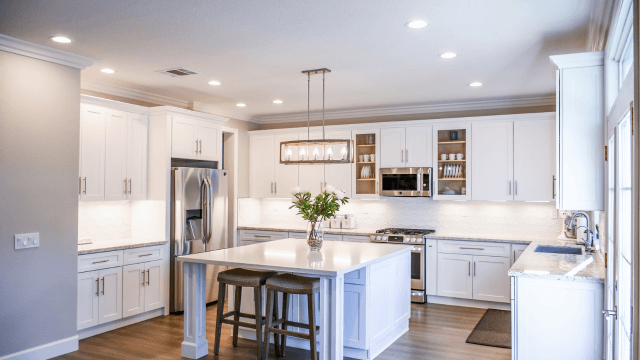
Modern London homes often feature minimalist designs that prioritize functionality and aesthetic appeal. Clean lines, open spaces, and neutral palettes define these interiors, offering a serene retreat from the city’s hustle and bustle. - Sustainable and Eco-Friendly Designs
Sustainability is at the forefront of contemporary London architecture. From green roofs to energy-efficient materials, modern homes are designed to minimize environmental impact while maximizing comfort. - Integration of Technology
Smart homes equipped with cutting-edge technology are increasingly common in London. Features such as automated lighting, voice-controlled appliances, and advanced security systems provide convenience and elevate the living experience. - Innovative Use of Space
With space at a premium, London architects are masters of efficiency. Creative solutions such as mezzanine levels, multi-functional furniture, and compact layouts ensure that even the smallest homes feel spacious and functional. - Blending Old and New
In areas like Kensington and Shoreditch, modern extensions seamlessly merge with historic facades. Glass structures, steel frames, and contemporary interiors contrast beautifully with the city’s Victorian and Georgian exteriors.
Hampshire: A Celebration of Classic Elegance
In contrast to London’s modernity, Hampshire offers a charming escape into the past. The residential architects in Hampshire are steeped in tradition, defined by:
- Quintessential Country Homes
Hampshire’s countryside is dotted with picturesque cottages and stately manors. Thatch roofs, timber frames, and stone walls create a rustic aesthetic that exudes warmth and character. - Sympathetic Renovations
Many of Hampshire’s older properties have been sensitively restored to preserve their historical integrity while accommodating modern living standards. Features like wooden beams, inglenook fireplaces, and original stonework are cherished and maintained. - Expansive Gardens and Outdoor Living
Unlike the compact spaces of London, Hampshire homes often boast sprawling gardens. Outdoor spaces are designed to complement the home’s architecture, with landscaped lawns, orchards, and terraces enhancing the rural experience. - Vernacular Architecture
Hampshire’s architecture is heavily influenced by local materials and traditions. Flint, brick, and clay tiles are commonly used, creating homes that blend seamlessly with the natural surroundings. - Focus on Community
Hampshire’s villages are known for their close-knit communities. Residential designs often incorporate elements that encourage social interaction, such as shared courtyards, communal spaces, and proximity to village amenities.
Comparing London and Hampshire: Key Differences in Residential Architecture
While both London and Hampshire offer unique architectural identities, their differences highlight how environment and lifestyle shape design choices:
- Urban vs. Rural Setting
London’s urban environment demands innovative use of limited space, whereas Hampshire’s rural setting allows for expansive properties and outdoor features. - Design Philosophy
London’s designs prioritize modernity, innovation, and sustainability. Hampshire, on the other hand, focuses on tradition, heritage, and blending with the natural landscape. - Materials and Construction
Glass, steel, and concrete dominate London’s architecture, while Hampshire relies on traditional materials like brick, stone, and timber. - Lifestyle Needs
London’s fast-paced lifestyle is reflected in its sleek, functional homes equipped with the latest technology. Hampshire’s slower pace emphasizes comfort, community, and a connection to nature.
Finding the Perfect Fit: Tips for Homeowners
Choosing between modern London designs and Hampshire’s classic charm depends on your preferences and lifestyle. Here are a few tips to help you decide:
- Assess Your Priorities
If you value cutting-edge design and urban convenience, a London home may suit you best. For those seeking tranquility and a connection to history, Hampshire offers an idyllic escape. - Consider Your Family’s Needs
Families may find Hampshire’s spacious homes and gardens more suitable, while young professionals might prefer London’s vibrant, tech-forward lifestyle. - Blend Styles
If you love elements of both, consider incorporating modern interiors into a classic Hampshire home or adding traditional touches to a London property. Hybrid designs can offer the best of both worlds. - Work with Local Experts
Engaging architects and designers familiar with the region’s styles ensures that your home reflects your vision while respecting local traditions.
Conclusion
London and Hampshire represent two distinct facets of British residential architecture. Whether you are drawn to London’s sleek modernity or Hampshire’s timeless charm, both regions offer exceptional opportunities to create a home that aligns with your lifestyle and aesthetic preferences. By understanding the unique characteristics of each area, you can make an informed decision and bring your dream home to life.