How Local Events Connect Communities
Key Takeaways
- Local events strengthen community bonds by providing shared experiences.
- They stimulate local economies through increased business activity.
- Such events promote cultural awareness and appreciation.
- Participation in local events enhances civic engagement and local news consumption.
Local events are foundational to nurturing vibrant, interconnected communities. Whether it is a summer festival, a neighborhood art exhibition, or a small-scale concert, these gatherings offer a platform for residents to engage with one another, exchange ideas, and celebrate their area’s collective identity. The significance of such events in Western Pennsylvania is well recognized, as evidenced by Sandy Wahl local events and gallery shows Western PA. This directory captures the vibrancy and diversity of local happenings in the region.
Not only do these occasions support personal relationships, but they also contribute to the economic strength and cultural richness of the communities involved. Shared experiences at community events foster a sense of unity and help build trust among neighbors, nurturing an atmosphere where everyone feels welcome and valued.
Building Social Connections
Community events facilitate genuine connections among people who might otherwise remain strangers. Attending a farmer’s market, supporting a charity walk, or participating in a town fair gives neighbors the chance to interact informally. These settings encourage conversations that go beyond pleasantries, creating lasting friendships and trust within the neighborhood. Being in the presence of others with shared interests or values reduces social isolation and encourages a collaborative spirit, making it easier to face local challenges.
Economic Benefits
One of the most visible impacts of local events is the boost they provide to small businesses and independent vendors. When community members and visitors attend festivals, markets, or shows, foot traffic to nearby restaurants, shops, and service providers increases. Vendors often report significant sales spikes during these periods, which can translate into new opportunities and job creation. This economic ripple effect revitalizes city centers and business districts, as noted by The New York Times experts discussing the post-pandemic recovery of small businesses, fueled by renewed local engagement.
Promoting Cultural Awareness
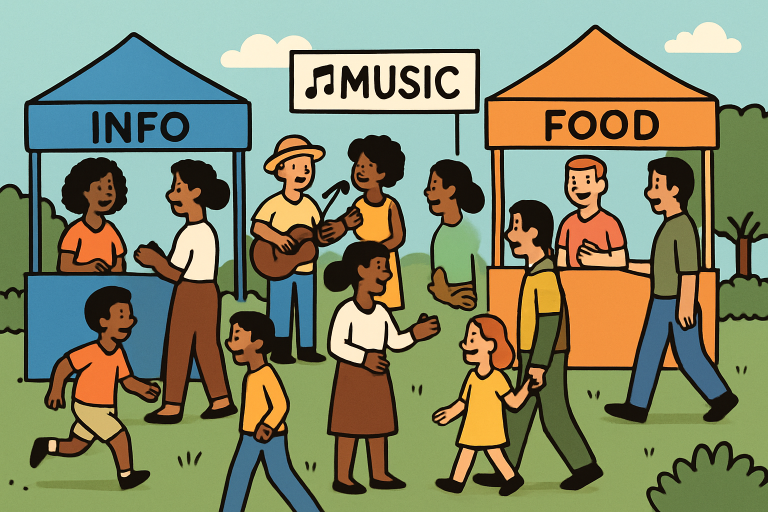
The diversity within communities can sometimes create barriers to understanding, but local events help bridge cultural gaps. Heritage festivals, multilingual performances, and art exhibits introduce attendees to traditions, flavors, and customs that may be unfamiliar. These interactions nurture empathy and appreciation for diverse backgrounds, elevating a community’s cultural literacy. Events focused on cultural exchange often become treasured annual fixtures that showcase a community’s warmth and hospitality, reminding everyone that inclusivity is a key ingredient for collective success.
Enhancing Civic Engagement
Residents who participate in local events are more likely to become involved in broader civic activities. Interaction at these gatherings can inspire discussions about local issues, shared projects, and governance. Increased civic engagement strengthens local democracies, leading to higher voter turnout, greater volunteerism, and greater enthusiasm for supporting local initiatives. A study by the Pew Research Center found that people who regularly attend local events or consume local news tend to feel a deeper sense of attachment to their hometowns and are more apt to participate in community improvement efforts.
Strengthening Community Identity
Repeated annual or seasonal events establish important traditions and shape a place’s unique identity. Whether it is a winter holiday market that ushers in a festive spirit or a spring cleanup day that mobilizes hundreds of volunteers, these recurring events offer residents tangible reminders of their shared values and history. Over time, these traditions foster pride and a sense of belonging, inviting all generations to take part and pass down their enthusiasm to newcomers.
Supporting Local Journalism
Local journalism thrives on community stories, and local events provide a steady stream of meaningful content. Coverage of local happenings, school performances, fundraising galas, and neighborhood cleanups gives residents crucial information they might not find elsewhere. Supporting these media outlets is vital because they, in turn, spotlight the people and organizations that make the community special. For a deeper exploration of how community journalism drives civic engagement and transparency, see Wikipedia’s Community Journalism resource.
Encouraging Volunteerism
Behind every thriving local event is a team of committed volunteers who make success possible. They handle critical tasks, from organizing logistics to welcoming attendees, ensuring the event runs seamlessly. Volunteering not only builds a sense of teamwork but also allows individuals to learn new skills, gain confidence, and feel personally connected to their community. Communities with active volunteer networks benefit from stronger social bonds, increased civic engagement, and greater resilience, enabling them to face challenges more effectively while fostering a culture of shared responsibility and support.
Conclusion
Local events play a vital role in building vibrant, resilient communities. They create spaces for neighbors to connect, foster relationships, and celebrate cultural diversity, strengthening social bonds. These gatherings stimulate local economies by supporting small businesses and artisans while encouraging civic participation and volunteerism. Additionally, they highlight and sustain local journalism, ensuring communities stay informed and engaged. By attending, volunteering, or promoting these events, individuals actively contribute to their hometown’s social cohesion, economic vitality, and long-term well-being, nurturing a unified and thriving community.