How General Dentistry Protects Patients From Long-Term Oral Damage

Long-term oral damage often starts small. A skipped cleaning. A sore tooth you ignore. A cracked filling you put off. Over time, these small problems grow. They turn into pain, infection, and tooth loss. General dentistry stops this slow damage before it ruins your mouth. You get regular checkups, cleanings, and simple treatments that keep your teeth strong. You also get early warnings about decay, gum disease, grinding, and oral cancer. That early action protects your health, speech, and ability to eat. It also protects your budget. Routine care always costs less than emergency care. A trusted Chillicothe oh dentist can spot silent damage and guide you through clear next steps. You do not need special knowledge. You only need to show up, ask questions, and follow a simple plan. This blog explains how general dentistry shields you from long-term harm.
Why small dental problems grow fast
You live, eat, and talk through your mouth every day. That constant use wears on teeth and gums. Tiny cracks, sticky plaque, and light bleeding can all seem normal. They are not. They are warning signs.
When you skip routine care, three things happen.
- Plaque hardens into tartar that you cannot brush off.
- Bacteria move under the gums and trigger infection.
- Small cavities spread into the inner tooth and reach the nerve.
Then the pain starts. You may notice hot or cold sensitivity. You may avoid chewing on one side. You may wake up with jaw soreness. Without care, these problems end in deep decay, gum loss, and sometimes lost teeth.
How general dentistry blocks long-term harm
General dentistry focuses on prevention, early spotting, and simple repair. You get three main protections.
- Regular exams to find problems early.
- Cleanings to remove plaque and tartar.
- Basic treatments to repair damage before it spreads.
The American Dental Association explains that checkups and cleanings at least twice a year lower the risk of tooth loss and gum disease. You can read more about routine visits on the ADA site at https://www.mouthhealthy.org/all-topics-a-z/dental-visits.
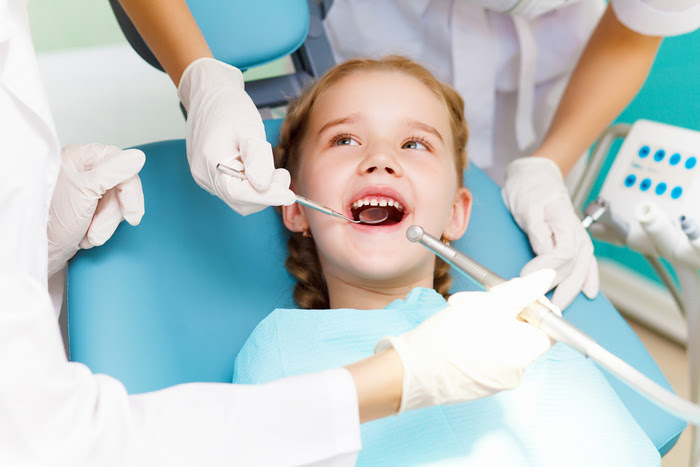
During a visit, your dentist looks at your teeth, gums, tongue, and jaw. Your dentist may also use X-rays to see decay between teeth or under fillings. Then your hygienist cleans your teeth and reaches spots you brush and floss miss. That simple routine interrupts the slow build of damage.
Key services that protect your mouth
Most general dental visits include a mix of these services.
- Professional cleaning. This removes plaque, tartar, and surface stains. It also smooths teeth so new plaque does not stick as fast.
- Fluoride treatment. Fluoride can harden enamel and slow early decay.
- Sealants. Thin coatings on the chewing surfaces of back teeth protect deep grooves from decay. These help children and teens, yet can also help some adults.
- Fillings. These repair small cavities before they reach the nerve. Early fillings are quick and protect tooth strength.
- Crowns. A crown covers a weak or cracked tooth so you can keep it instead of losing it.
- Night guards. A custom guard protects teeth from grinding during sleep.
The Centers for Disease Control and Prevention notes that untreated cavities are common in both children and adults. You can see national data at https://www.cdc.gov/. Those numbers show how important simple services like sealants and fillings are for long-term health.
Comparison: routine care vs emergency care
Routine general dentistry prevents many emergencies. It also reduces cost and stress for you and your family. The table below shows common differences.
| Type of visit | Typical reason | Common treatments | Impact on your life |
|---|---|---|---|
| Routine checkup and cleaning | Planned visit every 6 to 12 months | Exam, X-rays as needed, cleaning, fluoride, sealants | Short visit, low cost, little or no pain |
| Early problem visit | Small cavity, mild sensitivity, chipped tooth | Small filling, simple repair | Fast fix, protects tooth strength, lower cost |
| Emergency visit | Severe pain, swelling, broken tooth, abscess | Root canal, extraction, large crown, antibiotics | High stress, more visits, higher cost, time off work or school |
You cannot predict every emergency. Yet you can lower the risk through steady routine care and fast response to early signs.
Protecting children, adults, and older adults
Every age group needs general dentistry. The focus shifts as you grow.
For children, dentists watch growth, guide tooth brushing skills, place sealants, and teach healthy snack habits. Early positive visits also reduce fear and build trust.
For adults, dentists watch for gum disease, grinding, stress-related habits, and wear from work or sports. Many adults also need help with tobacco use, sugar intake, or dry mouth caused by some medicines.
For older adults, dentists track gum recession, root decay, tooth movement, and the fit of bridges or dentures. They also watch for signs of oral cancer or infection that can affect overall health and nutrition.
Warning signs you should never ignore
Some changes in your mouth call for a prompt visit with a general dentist. You should schedule care if you notice any of these.
- Bleeding gums when you brush or floss.
- Bad breath that does not clear with brushing.
- Sensitivity to hot, cold, or sweet foods.
- Sharp pain when you bite or chew.
- Loose teeth or spaces that did not exist before.
- Sores that do not heal within two weeks.
- Lumps, rough spots, or color changes in your mouth.
Quick action often means a simple fix. Waiting often means deeper treatment and higher cost.
How to get the most from your dental visits
You can turn each general dental visit into strong protection for your future health. You only need three habits.
- Keep regular appointments and do not cancel unless you must.
- Share your full health history and all medicines with your dentist.
- Ask clear questions and follow the home care plan you agree on.
Then match that care with daily habits. Brush twice a day with fluoride toothpaste. Floss once a day. Drink water often. Limit sugary drinks and snacks. Wear a mouthguard for sports and a night guard if your dentist recommends one.
Your mouth is part of your body and your daily life. General dentistry is not a luxury. It is basic protection that keeps you eating, speaking, and smiling with strength for many years.