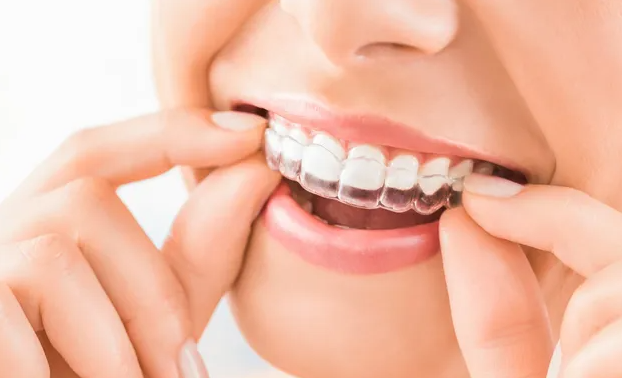
How General Dentistry Helps Patients Maintain Confidence In Their Smiles

Your smile affects how you see yourself and how others react to you. When you feel unsure about your teeth, you may hide your mouth, avoid photos, or speak less in groups. General dentistry protects you from that quiet shame. It focuses on the simple steps that keep your mouth healthy and your smile steady. Regular cleanings remove stains and buildup. Exams catch small problems before they change how you look or speak. Fillings, crowns, and other basic treatments repair damage so you can chew, laugh, and talk without fear. If you visit a dentist in Burlington, Ontario, you gain a partner who watches your oral health over time. That steady support helps you face work, family, and social life with more ease. You do not need a perfect smile. You need a healthy one that you trust.
Why Confidence Starts With Basic Oral Care
You use your mouth for simple daily tasks. You speak, eat, smile, and breathe. When your teeth or gums hurt, each task feels harder. Pain, bad breath, or loose teeth can pull you away from people. You may stop smiling to hide stains or chips. You may avoid close talks because you fear how your breath smells.
General dentistry reduces these worries. It focuses on prevention and early care. You get a plan that fits your mouth, your habits, and your health. You learn what to do at home. You also learn when to ask for help. This shared work keeps your smile steady and your social life open.
Core Services That Protect Your Smile
General dentists use a set of common services. Each one supports your confidence in a different way.
- Regular exams. You get a full check of teeth, gums, tongue, and jaw. The dentist looks for decay, infection, worn spots, and signs of grinding.
- Professional cleanings. A hygienist removes plaque and tartar that brushing leaves behind. This helps prevent cavities and gum disease and can brighten your smile.
- X rays. Images show decay between teeth, bone loss, and hidden infection. Early findings mean simpler care.
- Fillings. The dentist removes decay and fills the space. This stops pain and protects the tooth from breaking.
- Root canal treatment. Infection inside a tooth is cleaned out. The tooth is then sealed and often covered with a crown. This can stop deep pain and save the tooth.
- Crowns and bridges. Crowns cover damaged teeth. Bridges fill gaps from missing teeth. Both help you chew and speak with less strain.
- Simple extractions. Badly damaged teeth that cannot be saved are removed to protect the rest of your mouth.
- Preventive coatings and fluoride. Sealants and fluoride support enamel and lower the risk of decay, especially in children.
These services do more than fix problems. They help you trust that your mouth will not fail you when you smile, eat, or speak.
How Routine Visits Support Emotional Wellbeing
Oral health connects to mental health. When you feel shame about your teeth, you may withdraw. You might skip gatherings or stay quiet at work. Over time, this isolation can feed sadness or anxiety.
Routine visits interrupt that slide. Each visit offers three forms of support.
- Clear facts. You learn what is happening in your mouth. You stop guessing or fearing the worst.
- Practical steps. You leave with a plan you can follow. Small daily actions feel possible.
- Visible progress. Cleanings, repairs, and pain relief show quick change. You see that effort leads to real gains.
The U.S. Centers for Disease Control and Prevention explains that untreated oral disease can affect eating, speaking, and social interaction.
Comparing At Home Care and Professional Care
You need both home care and office care. Each one does a different job. The table below shows a simple comparison.
| Type of care | Main purpose | What you do or receive | Effect on confidence |
|---|---|---|---|
| Home care | Daily plaque control | Brush twice a day and floss once a day. Use fluoride toothpaste. Limit sugary snacks and drinks. | Gives you a sense of control. Keeps breath fresher between visits. |
| Professional cleaning | Remove tartar and deep plaque | Hygienist uses tools to clean under the gums and in hard to reach spots. | Makes teeth look and feel smoother. Reduces bleeding and soreness so you smile more. |
| Dental exam | Early detection | Dentist checks teeth, gums, bite, and soft tissues. X rays as needed. | Reduces fear of hidden problems. Builds trust in your oral health. |
| Treatment for issues | Repair or remove damage | Fillings, crowns, root canals, or extractions based on findings. | Stops pain and restores function. Lets you eat and speak without worry. |
Support For Children, Adults, And Older Adults
Confidence needs change over a lifetime. General dentistry adjusts to each stage.
- Children. Early visits teach calm habits. Cleanings, sealants, and fluoride protect new teeth. Kids learn that a dental chair is safe and normal.
- Teens and young adults. Sports injuries, braces, and changing diets can affect teeth. Dentists guide choices around mouthguards, soda, and tobacco.
- Adults. Work stress, grinding, and tight budgets can strain oral health. Regular care catches wear and helps you plan treatment over time.
- Older adults. Gum disease, dry mouth from medicines, and missing teeth become more common. Dentists help protect remaining teeth and support dentures or implants.
The National Institute of Dental and Craniofacial Research offers clear data on oral health for all ages.
What You Can Do Between Visits
You play the most important role in your own care. Three simple habits protect your confidence.
- Brush your teeth twice a day with fluoride toothpaste. Brush for two minutes each time.
- Clean between teeth once a day. Use floss, interdental brushes, or water flossers that fit your hands and mouth.
- Limit sugary drinks and snacks. Drink water often. Do not smoke or vape.
You can also pay attention to changes. Bleeding gums, new spots, lingering sores, or pain that wakes you at night are warning signs. Call your dentist when these signs appear. Early care is almost always easier and less costly.
General Dentistry As A Partner In Confidence
Your smile is part of your story. It shows warmth, humor, and strength. General dentistry supports that story with steady, practical care. You get cleanings that refresh your mouth. You get exams that find problems early. You get treatments that stop pain and restore function.
With each visit, you gain more trust in your own smile. You worry less about hiding your teeth. You focus more on what you want to say and do. That quiet shift is where real confidence grows.