How Family Dentistry Combines Professional Care With Home Education
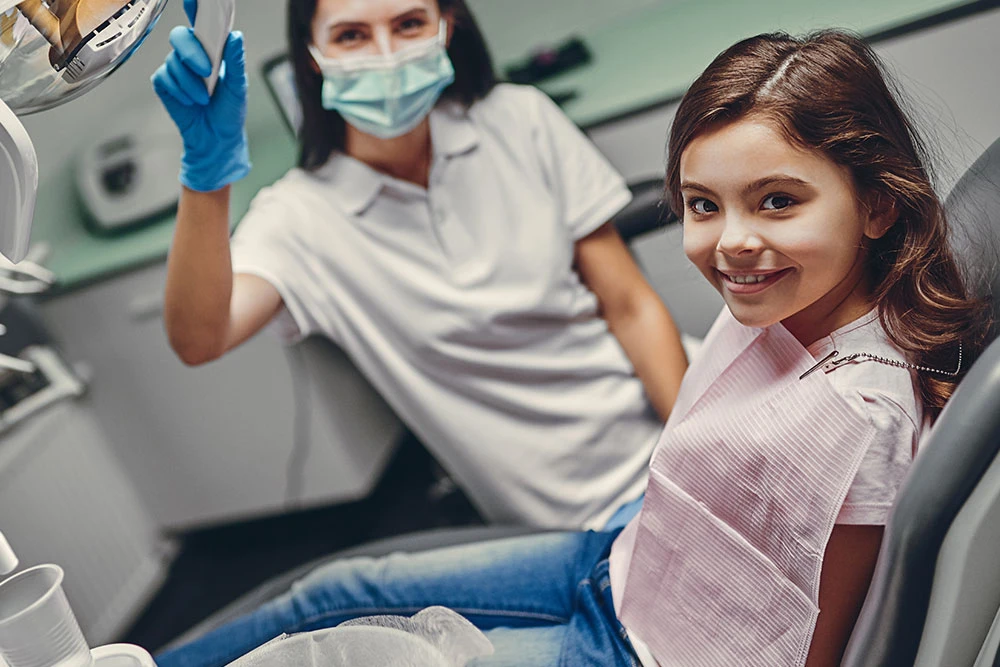
Family dentistry links what happens in the chair with what happens at your kitchen sink. You do not just get a quick cleaning. You get clear steps you can use at home that protect you and your children. A Riverside dentist checks for cavities, gum disease, and early warning signs you might miss. Then you get plain language guidance about brushing, flossing, diet, and daily habits. This mix of treatment and teaching cuts fear and confusion. It helps you understand why your mouth hurts, what your child needs, and how to prevent the next emergency. You leave with more than a bill. You leave with a plan you can follow. When your home routine and your family dentist work together, your smile lasts longer, costs stay lower, and visits feel calmer.
Why your family dentist matters to your daily life
Your mouth affects how you eat, speak, sleep, and work. It affects how your child learns and behaves in school. Tooth pain can wreck focus. Infections can spread. Skipped care can lead to high bills that hit your budget hard.
A family dentist does three things for you and your children.
- Finds problems early before they turn into emergencies.
- Gives you clear steps you can use at home.
- Tracks your family history so patterns do not get missed.
Routine dental care is about more than a bright smile. The Centers for Disease Control and Prevention explains that untreated cavities can cause pain and infections that affect eating, speaking, and learning.
What happens during a family dental visit
When you bring your family in, each visit usually includes three parts.
- Check. The dentist and hygienist look at teeth, gums, and tongue. They may use X rays to see hidden decay.
- Clean. They remove plaque and hardened tartar that brushing does not reach.
- Teach. They show you and your child how to brush, floss, and eat in a way that protects teeth.
This teaching is not a quick lecture. It is a short, focused talk that matches your life. You might talk about snacks your child likes. You might walk through brushing steps together. You might talk about sports, mouth guards, and soda.
The goal is simple. You leave the office knowing exactly what to do that night in your bathroom.
How office care and home care work together
Professional care and home care support each other. You need both. Office care does what you cannot do alone. Home care keeps that work from fading.
Professional Care vs Home Care for Your Family
| Type of care | What it does | How often | What happens if skipped |
|---|---|---|---|
| Professional cleaning and exam | Removes tartar. Finds early decay and gum problems. | Every 6 to 12 months for most people. | Hidden problems grow. Higher chance of pain and high cost treatment. |
| Home brushing | Removes daily plaque and food. | 2 times each day. | Fast buildup of plaque. Bad breath and cavities. |
| Home flossing | Cleans between teeth where brushes miss. | 1 time each day. | Decay between teeth. Bleeding gums and infection. |
| Healthy eating habits | Cuts sugar and acid that feed cavity bacteria. | Every meal and snack. | More cavities. Higher risk of weight gain and other health problems. |
When both sides are strong, you need fewer fillings, crowns, and extractions. You also spend less time in the chair. Your child grows up seeing the dentist as a normal part of life, not a crisis visit.
Teaching children at home after the visit
Children copy what they see. Your dentist may show brushing on a model. At home you can repeat that lesson in three simple steps.
- Brush together. Stand beside your child and brush at the same time. Use small circles. Reach the front, back, and top of each tooth.
- Use a short timer. Aim for two minutes. You can use a song or a simple kitchen timer.
- Check the work. Look for missed spots near the gums. Offer praise when your child improves.
For younger children, you may need to guide the brush with your hand. For teens, you may need to connect habits to what they care about. Fresh breath. Clear speech. Sports performance.
The National Institute of Dental and Craniofacial Research offers plain language tips for parents on brushing, flossing, and diet. You can use these tips between visits.
Questions to ask your family dentist
You have the right to clear answers. During your visit, you can ask three simple questions.
- What do you see today that I should watch at home
- What are the three most important things my family should do before the next visit
- Can you show me how to help my child with brushing or flossing
You can also ask about fluoride, sealants, and sports guards. Ask how often your family should come back based on age, health, and past problems. Clear answers turn a short visit into daily action.
When to schedule the next visit
Do not wait for pain. Pain often means the problem is deep. Instead, use this simple rule of three.
- Every 6 months for routine checkups, unless your dentist suggests another schedule.
- Within 24 hours for sudden pain, swelling, or injury.
- Within a few weeks if you notice bleeding gums, broken fillings, or ongoing bad breath.
Set the next visit before you leave the office. Add it to your calendar while you sit at the front desk. That one step keeps good intentions from slipping.
Bringing it all together for your family
Family dentistry works best when you treat each visit as a training session for home. The office handles the heavy work. Your kitchen sink handles the daily work.
You can protect your family with three steady habits.
- Keep regular checkups.
- Brush and floss every day.
- Use the simple teaching tips your dentist shares.
When you do that, your family spends less time in pain and more time living. Your child grows with strong teeth, clear speech, and steady confidence. Your own smile feels like a quiet source of strength, not a source of worry.