How Estate Appraisals Influence Family Wealth Distribution
Key Takeaways
- Accurate estate appraisals ensure fair asset distribution and reliable tax calculations.
- Incorrect valuations can lead to penalties, disputes, and financial loss for beneficiaries.
- Market changes make regular reappraisals important for keeping estate plans up to date.
- Professional appraisers help ensure accurate valuations and smoother wealth transfer.
Estate appraisals are at the heart of ensuring a fair and effective transfer of assets across generations. Accurate asset valuations establish a clear framework for equitable distribution, minimize the risk of family disputes, and alleviate tax burdens on beneficiaries. For anyone navigating estate planning, understanding this critical process is essential, as it can shape both financial well-being and family relationships. If you need guidance in this area, connecting with a reliable appraisal West Lebanon, NH can offer clarity and peace of mind throughout the process.
From tangible assets like real estate to intangible assets like intellectual property, the way these holdings are valued and appraised shapes a family’s legacy. Without accurate appraisals, families may encounter avoidable legal hurdles or financial complications.
The Importance of Accurate Estate Appraisals
Obtaining precise valuations is fundamental in estate planning. An accurate estate appraisal not only reflects the true value of all holdings but also builds a solid basis for dividing assets fairly among heirs. Executors and trustees rely on these appraisals to make informed decisions about who receives what and to avoid potential tax surprises down the road. The use of fair market value is a standard requirement for both federal and state estate tax calculations, further emphasizing the importance of robust appraisal methods.
When an estate includes unique or high-value assets such as rare antiques, art, or businesses, the need for specialized appraisal expertise becomes even greater. A miscalculation or overlooked asset can result in inequitable distribution, leading to resentment or legal action among heirs.
Periodic appraisals also play a preventive role. As market conditions change, so do property values and investment holdings. Regular reappraisals ensure that an estate plan stays in line with current market conditions, helping families avoid unexpected tax liabilities and disagreements.
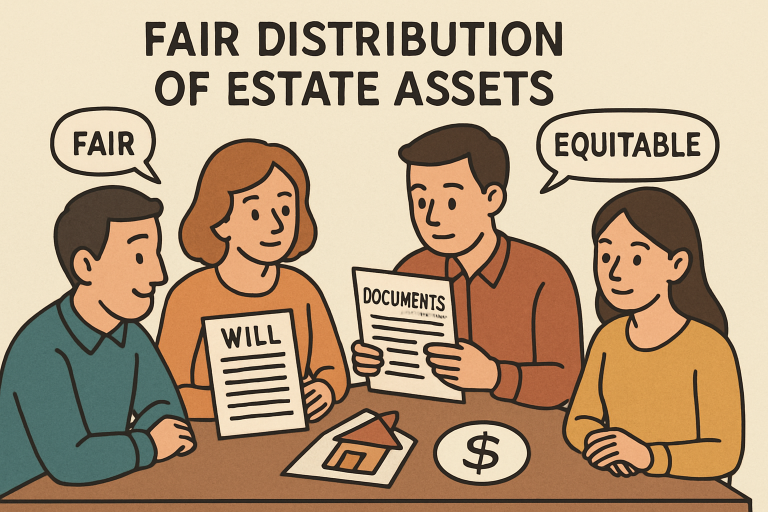
Inaccurate valuations can have serious legal and financial impacts. The Internal Revenue Service (IRS) regularly scrutinizes estate tax figures, and significant undervaluation can result in steep penalties and interest charges, ultimately diminishing the estate’s worth for all beneficiaries. The potential for such penalties makes it essential for estate appraisals to be as precise and up-to-date as possible.
Consequences of Inaccurate Valuations
Failure to appraise assets accurately can undermine an estate’s intended distribution. For instance, if a piece of real estate is substantially undervalued, the estate may owe much more in taxes than anticipated. As a result, the IRS could impose a 20 percent penalty for a substantial understatement, which could increase to 40 percent for a gross misstatement. Interest on these penalties continues to accrue, depleting assets meant for heirs and delaying the conclusion of probate.
Valuation errors often lead to legal disputes among heirs, especially in estates involving high-value assets such as businesses or vacation homes. Tension arises if some beneficiaries feel their share does not match the true market value of their inheritance. Such disputes can drag on for years, complicate family relations, and lead to hefty legal fees.
Impact of Market Fluctuations on Estate Valuations
The real estate market and broader economic conditions can swing asset values drastically in a short period. A property that appraises at several million dollars in a thriving market may see its value decline in a downturn, directly affecting how assets are split among heirs. Executors face significant challenges justifying specific values, especially if a property’s market price drops after the decedent’s passing but before the estate is settled. These fluctuations create unpredictability in estate distribution, often forcing beneficiaries to adjust expectations or accept alternative assets to achieve fairness.
Addressing Racial Bias in Property Appraisals
Inequitable wealth distribution sometimes arises from systemic issues such as racial bias in property appraisals. Numerous studies have highlighted how homes in predominantly Black and Hispanic neighborhoods are undervalued compared to white-majority areas. This chronic undervaluation limits the wealth that families in these communities can pass on to their heirs, widening the racial wealth gap and impeding generational advancement.
Strategies to Ensure Fair Wealth Distribution
- Regular Appraisals: Consistent, timely reappraisals of estate assets ensure they are valued based on real-time market conditions, supporting fair distribution.
- Comprehensive Estate Planning:Develop a thorough estate plan that covers all asset categories, both tangible and digital, to prevent disagreements and omissions.
- Professional Assistance: Employing certified appraisers and experienced legal advisors can help navigate the valuation of complex or unique assets. This approach also helps ensure compliance with rapidly changing tax regulations.
- Addressing Biases: Families should watch for potential biases, especially in property appraisals, and be prepared to seek additional appraisals or legal advice if estimates appear to deviate from expected market trends.
Final Thoughts
Estate appraisals bear directly on the realization of fair wealth transfer and family harmony. When approached thoughtfully, with accurate appraisals and careful estate planning, families can avoid unnecessary disputes and pass on both material and non-material legacies. By employing reliable valuation practices and addressing potential biases, estate plans can better provide for future generations and help secure a lasting family legacy.