How Charlotte, NC Homeowners Can Use Ceiling Fans for Better Comfort and Lower Energy Use
Key Takeaways
- Ceiling fans improve comfort by moving air across people, not by lowering an empty room’s temperature.
- Correct fan size, seasonal direction, and room layout affect how well a fan performs.
- Fans can complement air conditioning in Charlotte’s humid, warm season when used in occupied rooms.
- Timers, sensors, and regular maintenance can reduce wasted electricity and extend a fan’s useful life.
- Loose mounting, electrical odors, sparks, or severe wobbling require prompt professional attention.
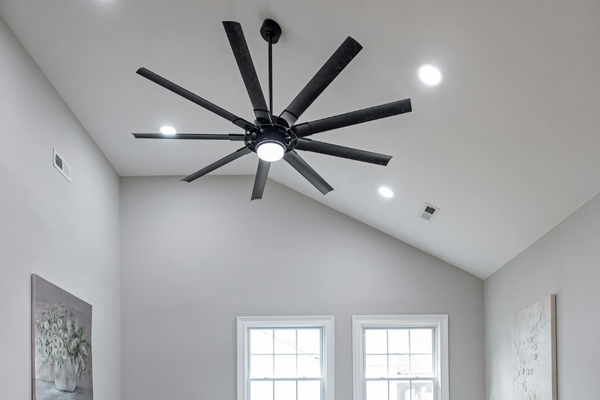
In Charlotte, North Carolina, ceiling fans are a practical part of everyday comfort. They can make bedrooms, living rooms, home offices, and covered porches feel more pleasant when warm, humid weather settles over Mecklenburg County. A properly selected and safely mounted fan helps circulate air where people spend most of their time.
Whether you are replacing an older fixture or adding airflow to a newly finished space, professional Ceiling Fan Installation in Charlotte, NC can help ensure the fan is supported by the appropriate electrical box and installed securely. That matters because a fan creates ongoing movement and weight that ordinary light-fixture mounting may not be designed to handle.
Ceiling fans do not condition the air the way an air conditioner does. Instead, their moving air supports evaporation from the skin, which can make occupants feel cooler. For that reason, the best time to run a fan is when someone is in the room.
Charlotte homes also benefit from a whole-room approach. Closing sun-facing blinds during hot afternoons, limiting heat from cooking when practical, and keeping furniture clear of the airflow path can make a fan and cooling system work together more effectively. The region’s hot, humid summers, typical of the Piedmont area, make this integrated approach especially valuable for managing indoor comfort efficiently.
For households south of Charlotte that need help with a shaky fan, an outdated switch, or a new circuit for a remodel, a local electrician in Pineville, NC, can address the electrical side of the project safely instead of treating persistent fan problems as a cosmetic issue.
Choose the Right Fan for the Room
A fan should fit both the room and the way the room is used. A small fixture may not provide useful airflow in a large, open great room, while an oversized fan can feel overly drafty in a compact bedroom. Blade span is important, but so are ceiling height, the location of beds or seating, and nearby doors, shelving, or pendant lights.

Simple Room-Planning Checklist
- Measure the room’s length and width before shopping.
- Check the ceiling height and determine whether a downrod is needed.
- Identify the primary seating, sleeping, or work area.
- Look for obstacles that could interfere with blade clearance or airflow.
- Confirm that the mounting location can safely support a ceiling fan.
Set the Direction for Charlotte’s Seasons
During Charlotte’s warmer months, ceiling fans are commonly set to rotate counterclockwise. This typically creates a downward breeze that helps people feel cooler. In cooler weather, many fans can be switched to a low-speed clockwise setting. The gentler upward movement can help circulate warm air that has collected near the ceiling without creating a strong draft.
Always turn the fan off before changing its direction. Then locate the small reversing switch on the motor housing, if the model uses one, and restart the fan at a low speed. Comfort is the real test, so adjust the speed to suit the room rather than assuming one setting works everywhere.
Pair Ceiling Fans With Air Conditioning
A fan can support a slightly higher thermostat setting if everyone in the room remains comfortable, but it is not a replacement for air conditioning during extreme heat or when indoor humidity is high. Use fans where people are active or resting, such as bedrooms at night, family rooms in the evening, and home offices during the day.
Smart fan controls can make this approach easier. According to federal research on smart ceiling fans, automated fans can respond to occupancy and temperature changes, helping avoid unnecessary runtime. Turn fans off when rooms are vacant, since airflow only improves comfort for people who are present.
Look for Efficient Features and Useful Controls
When comparing models, focus on airflow and electricity use rather than speed alone. Efficient motors, several usable speed settings, dimmable LED light kits, remotes, wall controls, timers, and occupancy-based controls can make a fan more practical for daily use. A bedroom timer, for example, can run the fan for the first part of the night and shut it off automatically later.
Certified models may also reduce long-term operating costs. ENERGY STAR ceiling fans with lights are designed to use less energy than conventional fan-and-light combinations, making them worth considering for fixtures that will operate frequently in Charlotte homes.
Improve Airflow With Everyday Habits
- Keep blinds or curtains closed when direct afternoon sun is heating the room.
- Use kitchen ventilation and avoid adding unnecessary heat indoors when possible.
- Keep tall furniture from blocking the fan’s main airflow path.
- Open windows only when outdoor conditions are cooler and appropriate for the home.
- Use porch fans for air movement while following the fixture’s rating for damp or wet locations.
Keep the Fan Clean, Balanced, and Safe
Dust buildup on blades can make a fan look neglected and may contribute to imbalance. With the power off, clean the blades regularly and check visible screws, blade brackets, and the canopy at the ceiling. A mild wobble may be caused by uneven blades or loose hardware, but heavy shaking should not be ignored.
Stop using the fan and arrange professional service if you notice sparks, a burning smell, exposed wiring, repeated breaker trips, abrupt speed changes, or sharp electrical noises. Routine cleaning is a homeowner’s task. Wiring repairs, mounting corrections, and electrical-box replacement are not.
Common Ceiling Fan Questions
Do ceiling fans lower the room temperature?
Not in the same way as air conditioning. They mainly make people feel cooler through air movement.
Should a ceiling fan run all day?
Run it when the room is occupied. A timer, sensor, or simple habit of switching it off when leaving can prevent wasted electricity.
Why does a ceiling fan wobble?
Loose hardware, uneven blades, worn components, or an unstable mount can all cause wobbling. Severe or recurring movement deserves a professional inspection.
A Practical Ceiling Fan Routine
- Turn the fan on when the room becomes occupied.
- Use the correct seasonal direction and a comfortable speed.
- Adjust the thermostat only if the room still feels comfortable.
- Set a timer for sleeping or short periods of use.
- Turn the fan off when everyone leaves.
- Clean the blades and listen for new noises each month.
For Charlotte households, the most effective ceiling-fan strategy is simple: select the right fixture, use it around people rather than empty rooms, pair it with sensible cooling habits, and take mounting or electrical warning signs seriously. That combination can support comfort through summer humidity, mild winter days, and every season in between.