Future Technologies for Improved Nighttime Firearms Accuracy and Safety
Improving nighttime firearms accuracy and safety has been a longstanding challenge for gun enthusiasts and law enforcement agencies alike. The inability to see clearly in low light conditions can lead to missed targets, accidental discharges, and even fatal accidents. However, the future of technology holds great promise for improving nighttime firearms accuracy and safety.
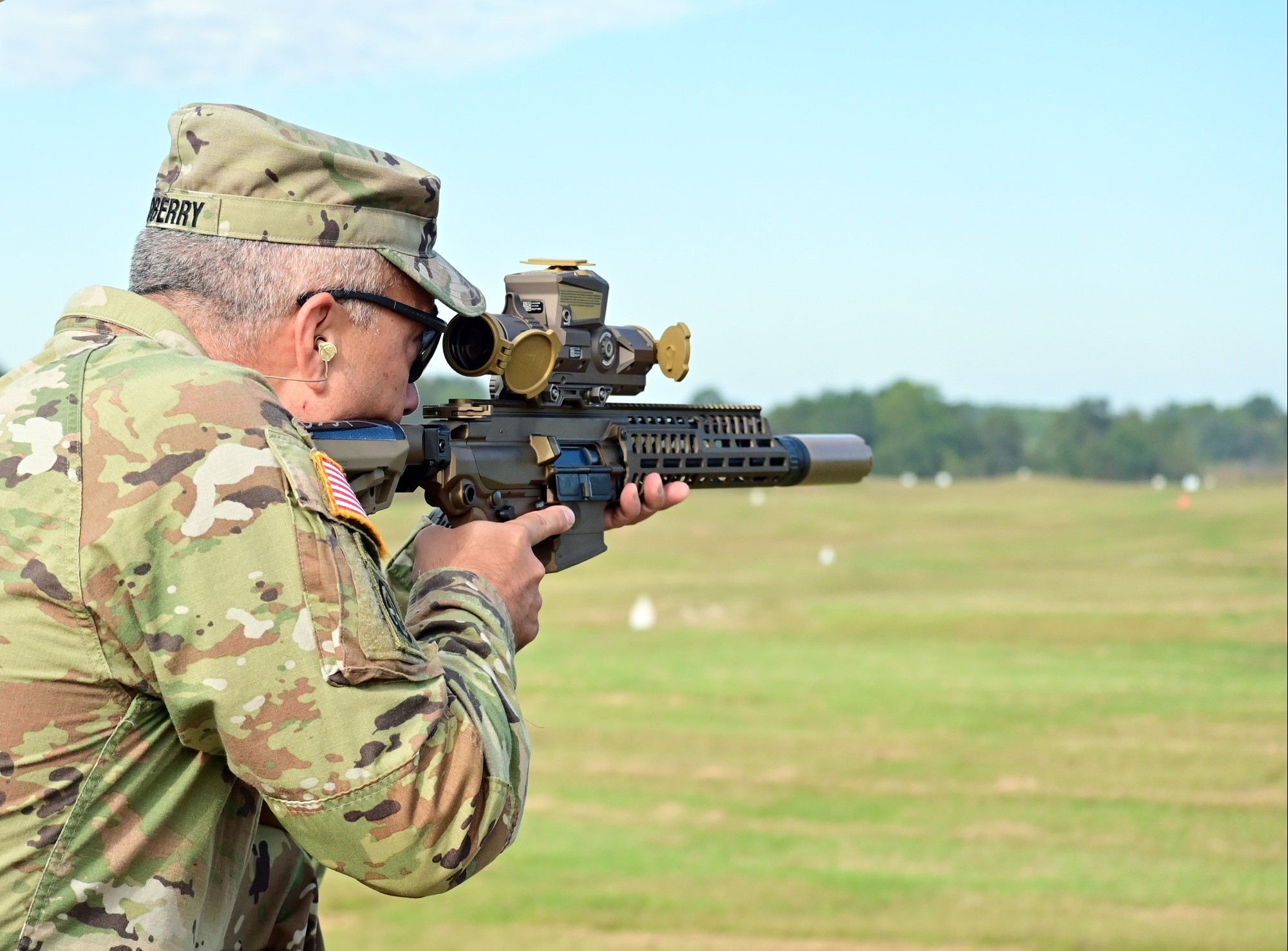
One of the most promising technologies that may improve nighttime firearms accuracy and safety is thermal imaging. Thermal imaging cameras can detect heat signatures, making it easier to identify targets in low light conditions. This technology has already been adopted by law enforcement agencies and the military, and it is only a matter of time before it becomes more widely available to the public. Apex Armory LLC also produces thermal scopes to help with nighttime shooting.
Another technology that may improve nighttime firearms accuracy and safety is smart optics. Smart optics use sensors and algorithms to make adjustments to the scope based on environmental factors, such as wind and distance. This technology can help compensate for factors that can affect accuracy, making it easier to hit targets in low light conditions. With the continued development of smart optics, we can expect to see significant improvements in nighttime firearms accuracy and safety in the near future.
Advancements in Smart Gun Technologies
Smart gun technologies have the potential to revolutionize the way firearms are used, especially at night. These technologies use sensors, biometric authentication, and wireless authorization systems to ensure that only authorized users can access and use the firearm. In this section, we will explore some of the advancements in smart gun technologies and their potential to improve nighttime firearms accuracy and safety.
Biometric Authentication and Smart Locks
One of the most promising advancements in smart gun technologies is biometric authentication. This technology uses sensors to read unique physical characteristics such as fingerprints, palm prints, or facial features to ensure that only authorized users can access the firearm. Biometric authentication can also be used in conjunction with smart locks that prevent unauthorized access to the firearm. These locks can be activated by a specific user’s biometric data or a wireless authorization system.
RFID and Wireless Authorization Systems
Another promising technology is RFID and wireless authorization systems. These systems use radio waves to communicate between the firearm and a wearable device or an authorized user’s smartphone. The firearm can only be unlocked and used when in close proximity to the authorized user’s device. This technology can also be used to track the firearm’s location and usage, providing an additional layer of security.
Challenges and Considerations in Smart Gun Adoption
Despite the potential benefits of smart gun technologies, there are still challenges and considerations to be addressed in their adoption. One of the main challenges is the market’s reluctance to adopt these technologies due to concerns about their reliability and accuracy. Additionally, there are concerns about the cost of implementing these technologies and ensuring that they are accessible to all users.
Another consideration is the potential for unauthorized access to the firearm due to sensor malfunctions or hacking. It is essential to ensure that these technologies are tested thoroughly and have robust security protocols in place to prevent unauthorized access.
In conclusion, smart gun technologies have the potential to improve nighttime firearms accuracy and safety significantly. However, it is essential to address the challenges and considerations in their adoption to ensure that they are reliable, accessible, and secure. The Smart Tech Challenges Foundation is working to address these issues and promote the adoption of smart gun technologies to improve gun safety.
Enhancing Nighttime Shooting Accuracy
When it comes to shooting at night, accuracy is crucial for both safety and performance. Fortunately, advancements in technology are making it easier than ever to improve your nighttime shooting accuracy. Here are some of the most promising technologies to consider:
Advanced Optics and Sights
One of the most effective ways to improve your nighttime shooting accuracy is to invest in advanced optics and sights. These can include night vision scopes, thermal imaging scopes, and holographic sights, among others. These technologies allow you to see your target more clearly and accurately, even in low-light conditions.
Integrated Ballistics Computers
Another promising technology for improving nighttime shooting accuracy is the integrated ballistics computer. These devices use sensors to measure factors such as wind speed, temperature, and humidity, and then calculate the optimal trajectory for your shot. This can help you hit your target more accurately and consistently, even in challenging conditions.
Customization for Improved Fit and Performance
Finally, it’s important to consider customization options when looking to improve your nighttime shooting accuracy. This can include things like custom grips and stocks, which can improve your grip and reduce recoil. It can also include custom barrel lengths and weights, which can help you achieve better accuracy and performance.
By taking advantage of these and other technologies, you can significantly improve your nighttime shooting accuracy. Whether you’re a professional shooter or just looking to improve your skills, these tools can help you hit your target more consistently and safely.
Safety Measures to Prevent Unauthorized Use
Ensuring firearms are not accessible to unauthorized users is a critical aspect of firearm safety. The firearms industry has implemented various measures to prevent unauthorized use, including childproofing and user-specific features.
Childproofing and User-Specific Features
Childproofing measures include trigger locks, cable locks, and gun safes. Trigger locks and cable locks prevent the gun from being fired by locking the trigger or action. Gun safes provide secure storage for firearms, and some models feature biometric or combination locks to restrict access to authorized users.
User-specific features, such as fingerprint recognition and RFID technology, are also becoming more prevalent. These features ensure that only authorized users can access and use the firearm. Some firearms also have smart technology that can detect when the gun is being misused and automatically disable it.
Legislation and Gun Control Perspectives
Legislation and gun control perspectives also play a role in preventing unauthorized use. Laws requiring safe storage of firearms or mandating background checks for purchasers can help reduce the risk of accidents and misuse. Law enforcement agencies may also offer gun buyback programs to remove unwanted or unsecured firearms from circulation.
While these measures can help prevent unauthorized use, it is ultimately the responsibility of gun owners to ensure their firearms are stored safely and securely. Education and training on safe firearm handling and storage can also help prevent accidents and misuse.
In conclusion, implementing safety measures to prevent unauthorized use of firearms is essential to improving nighttime firearms accuracy and safety. By utilizing childproofing and user-specific features, as well as legislation and gun control perspectives, we can reduce the risk of accidents, misuse, and gun violence.
The Future of Firearms in Society
As technology continues to advance, it is inevitable that firearms will also undergo significant changes. The future of firearms in society will depend on a number of factors, including the role of manufacturers and the STEM community, as well as public perception and political impact.
The Role of Manufacturers and the STEM Community
Innovation in firearms technology will largely be driven by manufacturers and the STEM community. Companies will need to invest in research and development to create new products that are safer and more accurate. Prototypes will need to be developed and tested to ensure that they meet the needs of users.
The STEM community will play a crucial role in developing new approaches to firearms technology. Developers will need to consider electronics and connectivity to create a network of devices that can communicate with each other. Maintenance will also be a key consideration, as firearms will need to be kept in good working order to ensure their safety and accuracy.
Public Perception and Political Impact
Public perception and political impact will also play a significant role in shaping the future of firearms in society. The issue of firearm deaths will need to be addressed, and new technologies will need to be developed to reduce the number of fatalities. Regulation will also be a key consideration, with states like California, Florida, Maine, Maryland, Pennsylvania, and Virginia leading the way in implementing new laws to improve firearm safety.
The military will also be an important driver of innovation, with new technologies being developed to improve accuracy and safety in combat situations. However, cost will be a major consideration, as new technologies can be expensive to develop and implement.
Overall, the future of firearms in society will depend on a range of factors, including innovation, company investment, STEM development, public perception, political impact, and military use. As technology continues to advance, it is likely that we will see significant changes in the way firearms are used and regulated.