From Cracks to Stains: Tackling Stucco Challenges
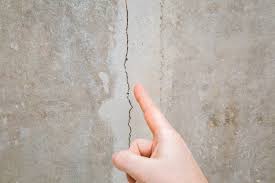
Table of Contents
- Cracking
- Water Intrusion
- Staining and Discoloration
- Blistering
- Delamination
- Impact Damage
- Pest Infiltration
- Preventive Measures
Stucco is a popular exterior finish, prized for its durability, weather resistance, and timeless style. Yet, even the best stucco applications can show wear over time, making it essential for homeowners to know how to address the most common stucco issues. Timely repairs and regular inspections can help maintain both the appearance and structural integrity of your home’s exterior. Addressing problems early, whether you’re considering a DIY solution or enlisting experts in stucco repair Columbus Ohio, prevents small issues from becoming costly overhauls.
Neglecting stucco maintenance opens the door to a host of concerns, including water damage, unsightly staining, pest infestations, and compromised insulation. Knowing what to look for and how to address it enables homeowners to preserve their property’s value. Attention to repairs not only safeguards your home but also keeps its exterior looking clean and appealing throughout the year. The evolution of stucco maintenance techniques means solutions are more reliable and longer-lasting than ever before. Whether you are new to stucco or have lived with it for years, understanding how to manage common problems is essential. This comprehensive guide outlines preventive measures, common issues, and step-by-step advice to keep your stucco in top shape.
By learning to identify early warning signs and act promptly, you can prevent costly repairs down the road. Here’s what every homeowner should know about the most frequent stucco challenges and their solutions.
Causes and Solutions of Cracking
Hairline cracks or larger splits in stucco often signal underlying movement or settling of your home’s foundation, thermal expansion, or improper blending during installation. Most homes will develop some fine surface cracks over time, but broader or horizontal cracks merit closer inspection.
- Minor (hairline) cracks: Clean the crack and fill it with a flexible acrylic caulk or an elastomeric sealant specifically designed for exterior use. These sealants can stretch as the home shifts and are easily paintable over.
- Major (wider) cracks: Consult a professional to assess structural concerns beneath the surface. If you notice persistent or growing cracks, an expert can help determine if repairs to the foundation or underlying substrate are needed before patching the stucco.
Proper crack repair not only restores your stucco’s aesthetic but also limits moisture intrusion and further deterioration.
Prevention and Action Steps for Water Intrusion
Stucco is water-resistant but not waterproof; persistent moisture can seep through cracks or failed seals. Water penetration is a severe issue, as it invites mold growth, rot, and decay of wood framing.
- Install proper drainage with sloped landscaping and gutters that direct water away from the home’s foundation.
- Regularly check windows, doors, and rooflines for failed caulking or gaps in flashings. Reseal as needed with weatherproof products.
- When applying new stucco, ensure vapor barriers and proper weep screeds are used to channel water away from the structure.
Staining and Discoloration
Stains can develop from water intrusion, algae, mildew, dirt run-off, or environmental pollutants. Common types include greenish mildew staining, black mold streaks, and rust or efflorescence from minerals in the water.
- Clean affected spots with a soft-bristled brush and a mild detergent or specialized stucco cleaner. Avoid high pressure, which can damage the surface.
- After cleaning, apply a breathable, UV-resistant masonry sealer to deter future discoloration and maintain the stucco’s original color.
Surface Bubbles and Moisture
Blistering occurs when moisture becomes trapped beneath the stucco’s surface, causing bubbles or raised areas. Improperly cured stucco and lack of ventilation often contribute to this problem.
- Puncture small blisters using a sharp tool to allow trapped moisture to escape, then let the area dry thoroughly.
- Patch the affected site with stucco repair compound, ensuring that the underlying moisture source, such as a leak or seal failure, has been located and corrected.
Detecting and Repairing Layer Separation
Delamination refers to sections of stucco that pull away from the underlying wall or substrate, producing a hollow sound when tapped. This issue threatens the stucco’s insulation and weather resistance.
- Inspect the suspect area by gently tapping and listening for hollow spots.
- Remediation typically involves removing the delaminated section and reapplying fresh stucco; professional assessment is often necessary to identify the root cause and ensure long-lasting results.
Protecting High-Risk Areas
Accidental blows from lawn equipment, hail, or heavy foot traffic can cause punctures or chips in stucco. A prompt response is crucial in preventing water from infiltrating damaged areas.
- Patch small holes or dings immediately using a stucco patch kit. Sand and paint the spot for a seamless finish.
- Install kick plates or low-profile barriers near walkways, driveways, and frequently used entrances to minimize repeat impact damage.
Keeping Pests at Bay
Cracks, gaps, and holes in your stucco are invitations for ants, bees, rodents, and other pests to enter your home. Regularly inspecting your exterior is essential for early detection and prevention.
- Seal new cracks and gaps as soon as they appear using weatherproof caulk or a specific stucco repair product.
- Look for telltale signs of animals or insects (such as trails, nests, or droppings) and promptly address them to prevent costly infestations.
Routine Inspections and Professional Care
Consistent maintenance extends the life and beauty of stucco. Adopt a proactive approach for ongoing protection:
- Conduct detailed yearly inspections, particularly after severe weather, to identify and address flaws promptly.
- Hire qualified professionals for correct installation and to guarantee the optimal curing of new stucco.
- Apply a quality water-repellent sealer to your stucco exterior every five years to guard against moisture intrusion.
Routine attention significantly enhances the durability of your stucco and helps prevent future major repairs.