Exploring the Diverse World of NFT Games: Types You May Want to Create
Non-Fungible Token (NFT) games have emerged as a popular and lucrative genre within the gaming industry, offering unique gaming experiences where players can own, trade, and monetize digital assets on the blockchain. As the NFT gaming space continues to evolve, creators and developers have the opportunity to explore various types of NFT games that cater to different player preferences and interests. In this article, we’ll delve into some of the types of NFT games you may want to create, each offering its own distinct gameplay mechanics, themes, and monetization opportunities.
Collectible Card Games (CCGs)
Collectible card games (CCGs) have long been a beloved genre among gamers, and NFT technology has brought new possibilities to this classic format. NFT-based CCGs allow players to collect, trade, and battle with digital cards representing characters, spells, and abilities. Games like “Gods Unchained” and “Splinterlands” have successfully implemented NFTs to create vibrant gaming ecosystems where players can build decks, compete in tournaments, and earn rewards by trading rare and valuable cards on the blockchain.
Blockchain-Based Role-Playing Games (RPGs)
Blockchain-based role-playing games (RPGs) combine traditional RPG elements with blockchain technology to create immersive and interactive gaming experiences. In these games, players can embark on epic quests, battle fierce enemies, and explore vast virtual worlds, all while collecting and trading NFT-based assets such as weapons, armor, and rare artifacts. Games like “Axie Infinity” and “MyCryptoHeroes” have demonstrated the potential of NFT-based RPGs, offering players the opportunity to build and customize their characters while earning rewards through gameplay and asset ownership.
Virtual Real Estate and Simulation Games
Virtual real estate and simulation games leverage NFTs to create virtual worlds where players can buy, sell, and develop digital properties on the blockchain. These games allow players to invest in virtual land parcels represented as NFTs, build and customize virtual structures, and monetize their properties through rentals, sales, and in-game businesses. Platforms like “Decentraland” and “The Sandbox” offer immersive and decentralized metaverse experiences where players can create and interact with virtual environments, socialize with other players, and participate in virtual events and activities.
Play-to-Earn Games
Play-to-earn games are a popular subset of NFT games that reward players for participating in gameplay activities and contributing to the game ecosystem. In these games, players can earn tokens or NFT-based rewards by completing quests, winning battles, or performing specific tasks within the game. Play-to-earn mechanics incentivize player engagement and provide opportunities for players to monetize their time and effort spent in the game. Games like “Axie Infinity” and “Splinterlands” have pioneered the play-to-earn model, offering players the chance to earn income by playing and trading in-game assets on the blockchain.
Art and Creativity Platforms
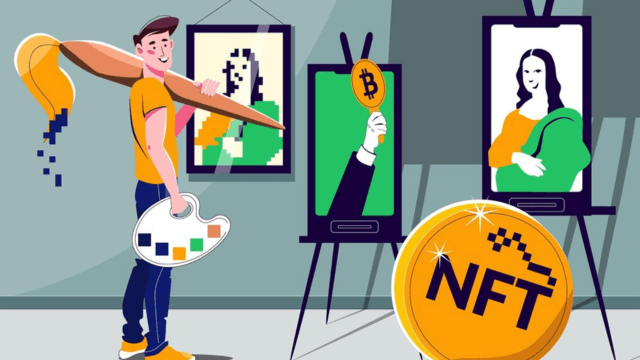
Art and creativity platforms leverage NFT technology to empower artists and creators to showcase and monetize their digital works on the blockchain. These platforms allow artists to mint their artwork as NFTs, sell them to collectors, and earn royalties from secondary sales. Additionally, some platforms offer features such as auctions, galleries, and social networking tools to connect artists with collectors and enthusiasts. Platforms like “SuperRare” and “Foundation” have become popular destinations for digital artists to showcase their work and participate in the growing NFT art movement.
Conclusion
The world of NFT games is rich and diverse, offering a wide range of gaming experiences that cater to different interests, preferences, and playstyles. Whether you’re interested in creating collectible card games, RPGs, virtual real estate simulations, play-to-earn games, or art platforms, there are plenty of opportunities to explore and innovate within the NFT gaming space. By leveraging blockchain technology and NFTs, creators and developers can unlock new possibilities for player ownership, engagement, and monetization, shaping the future of gaming in exciting and transformative ways.