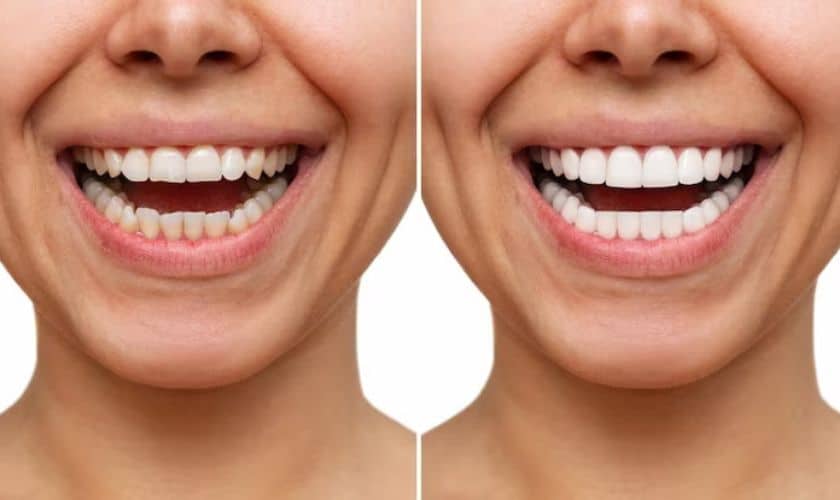
Exploring All‑On‑4 Implant Solutions For Full‑Arch Restoration

Missing teeth change how you eat, speak, and interact with people. You may feel tired of loose dentures, gaps, or constant dental work. All‑On‑4 implant solutions give you a fixed full‑arch restoration that stays in your mouth. You gain strong teeth that look natural and feel stable every day. This blog explains how All‑On‑4 works, who it helps, and what you can expect before and after treatment. You learn about costs, healing time, and daily care. You also see how a Scarsdale dentist plans your case with scans, photos, and clear steps, so you know what will happen and when. You do not need to sort through complex terms or guess about risks. You get plain answers, clear choices, and a direct path toward teeth you can trust. You deserve a mouth that lets you eat, talk, and smile without fear.
What All‑On‑4 Implant Treatment Means
All‑On‑4 uses four dental implants in one jaw to hold a full row of teeth. The implants act like roots. The new teeth attach to them as one solid piece.
You usually receive
- Four implants placed in the upper or lower jaw
- A full set of attached teeth for that jaw
- A plan that aims for same‑day teeth in many cases
This option can help when you have many missing teeth or teeth that cannot be saved. It can also help when bone loss makes many single implants hard.
Who May Be a Strong Candidate
A dentist looks at your mouth, bone, and health history. You may fit All‑On‑4 if you
- Have many missing or failing teeth in one or both jaws
- Wear dentures that feel loose or painful
- Have some bone loss but still enough for four implants
- Do not smoke or are willing to quit before surgery
- Can keep up with daily brushing and flossing
A dentist may order 3D scans and X‑rays. These tests help map bone and nerves. You can learn more about dental implants in general from the National Institute of Dental and Craniofacial Research.
Step‑by‑Step Treatment Journey
You can expect three main stages.
1. Planning and preparation
- Exam and scans
- Review of medicines and health issues
- Removal of teeth that cannot stay
- Discussion of shape, color, and bite
2. Implant surgery
- Four implants placed in planned spots
- Often a temporary set of teeth placed the same day
- Instructions on pain control and cleaning
3. Healing and final teeth
- Bone heals around implants over months
- Follow‑up visits to check healing
- Final stronger teeth made and attached
The healing process and pain control are similar to other oral surgeries. For extra guidance on healing and infection signs you can review information from the Centers for Disease Control and Prevention oral health page.
All‑On‑4 Compared With Other Options
| Treatment | Teeth per jaw | Fixed or removable | Typical appointments after surgery | Bone support need |
|---|---|---|---|---|
| All‑On‑4 implants | Full row on four implants | Fixed | Several visits over a few months | Moderate bone needed |
| Traditional dentures | Full row on gums | Removable | Relines and checks as gums change | No implants needed |
| Many single implants | One crown per implant | Fixed | More visits and longer timeline | Higher bone need |
| Implant‑supported denture | Full row on several implants | Often removable for cleaning | Similar to All‑On‑4 | Moderate to higher bone need |
Benefits You May Notice
All‑On‑4 can change daily life. Many people report
- More stable chewing and less worry about slipping teeth
- Clearer speech
- Less rubbing on gums
- A full smile without gaps
Over time implants also help slow bone loss. The bone receives pressure from chewing. That pressure helps keep shape and volume.
Risks and Limits
All surgery carries risk. You should hear clear facts about
- Infection
- Implant failure
- Nerve pain or numbness
- Sinus problems with upper implants
Some health conditions raise risk. These include uncontrolled diabetes, heavy smoking, or some immune issues. A dentist may work with your doctor to check safety.
Costs and Long‑Term Value
All‑On‑4 costs more than a basic denture and less than many single implants for every missing tooth. Exact numbers depend on
- Where you live
- How many jaws need treatment
- Need for bone grafts or extra procedures
- Type of final teeth and materials
Insurance may cover extractions, some surgery steps, or part of the final teeth. You can ask for a written plan with itemized fees and a timeline.
How to Care for All‑On‑4 Implants
Good care keeps implants strong. Your routine should include
- Brushing twice a day with a soft brush
- Cleaning under the teeth with floss or special tools
- Rinsing as your dentist suggests
- Checkups and cleanings as scheduled
Try to avoid smoking and limit sugar. Call your dentist if you feel new pain, swelling, or looseness.
Making a Confident Choice
Living with missing or failing teeth wears down your body and mind. All‑On‑4 implant treatment offers a clear option when you want teeth that stay in place and feel strong. You do not need to rush. You can ask questions, seek a second opinion, and involve family in each step.
With a careful plan and steady home care you can move from worry about your teeth to steady trust in your bite and your smile.