Essential Safety Practices for Roadside Emergencies
Key Takeaways
- Remain inside your vehicle with seatbelts fastened during a roadside emergency, especially on high-traffic roads.
- Prepare and maintain a comprehensive emergency kit, tailored for both summer and winter driving conditions.
- Follow ‘Move Over’ laws to keep responders and other stranded motorists safe.
- Maintain your vehicle regularly to reduce the risk of unexpected roadside emergencies.
Facing a sudden vehicle breakdown or roadside emergency can bring feelings of uncertainty and stress. Knowing how to handle such situations is vital for protecting yourself and your passengers. Whether you are dealing with a flat tire or an unexpected mechanical failure, understanding the proper steps to take will minimize risks and ensure everyone’s safety. Additionally, reliable local services, such as towing Aurora, CO, can provide timely assistance in urgent situations.
Preparation is critical for managing roadside incidents calmly and safely. By knowing what to do and equipping your vehicle with essentials, you can make the difference between a manageable inconvenience and a dangerous situation. Quick thinking and adherence to safety best practices are necessary to safeguard yourself, your loved ones, and other road users in emergencies. State guidelines also emphasize practical measures that every motorist should adopt.
Stay Inside Your Vehicle
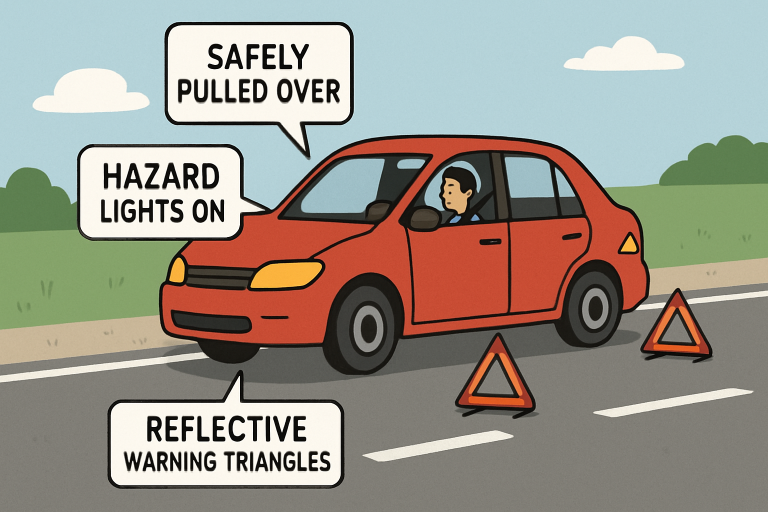
If your vehicle breaks down or you face an emergency on a busy road, the safest course of action is to stay inside your car with your seatbelt securely fastened. Stepping out onto an active roadway can expose you to fast-moving traffic and amplify your risk of injury. According to guidance from the Connecticut Department of Transportation, staying inside your vehicle not only safeguards you but also minimizes hazards for first responders and other motorists. Remaining in your car provides a physical barrier between you and surrounding vehicles until professional help arrives. For more on safe practices, visit the National Highway Traffic Safety Administration’s roadside safety tips.
Prepare an Emergency Kit
A thoughtfully assembled roadside emergency kit is an invaluable asset. Basic supplies should include:
- LED flashlight with extra batteries
- Flares or reflective safety triangles
- Thermal blanket and extra clothing
- Drinking water and nonperishable snacks
- Jumper cables and a tire repair kit
- Universal phone charger and power bank
- First aid kit and essential medications
Check your kit at least twice a year to ensure everything is in working order and nothing has expired. Swap seasonal gear as needed (for example, add ice scrapers and hand warmers during winter months). Many auto clubs and safety organizations recommend supplementing your kit with spare fuses, a fire extinguisher, and basic tools for minor repairs. For comprehensive roadside safety kit recommendations, consult the Consumer Reports emergency kit guide.
Understand and Comply with ‘Move Over’ Laws
Every state has implemented ‘Move Over’ laws that require drivers to change lanes or reduce speed when passing stopped emergency vehicles or tow trucks with flashing lights. These laws are designed to protect law enforcement officers, firefighters, medical personnel, tow operators, and stranded motorists from the dangers posed by speeding traffic. Ignoring these rules not only endangers lives but can also lead to significant fines. Always scan for emergency lights ahead and respond accordingly to ensure a safe environment for both responders and drivers. More details are available from the Governors Highway Safety Association.
Regular Vehicle Maintenance
Routine preventive maintenance dramatically reduces the likelihood of encountering a roadside emergency. Regularly inspect your car’s battery, tire pressure and tread, fluid levels (including oil, coolant, and brake fluid), windshield wipers, and brakes. Neglecting these essential checks increases the risk of breakdowns and compromises your safety. Data from the American Automobile Association (AAA) shows that a significant portion of annual roadside assistance calls could be avoided with basic upkeep. Scheduling periodic professional inspections, at least twice a year, helps catch small problems before they become serious road hazards. For more tips on vehicle maintenance for road safety, refer to trusted automotive resources, such as those published by Kelley Blue Book.
Use Hazard Lights and Warning Devices
At the first sign of trouble, turn on your vehicle’s hazard lights to alert approaching drivers of your presence on the roadside. If conditions allow, set up reflective triangles or flares approximately 50 to 100 feet behind your vehicle, and further back in high-speed areas, to provide early warning of the hazard ahead. These signals are especially crucial during nighttime hours, in poor visibility, or inclement weather. Proper use of hazard equipment keeps both you and other drivers safer while you await assistance.
Contact Professional Assistance
When it is clear your vehicle needs more than a quick fix, stay put and call for professional roadside assistance. Reputable towing and recovery services possess the skills and equipment to handle breakdowns securely and efficiently. Avoid attempting repairs on high-traffic or narrow shoulders, as doing so can expose you to additional risks. Use your phone to call for roadside assistance and provide precise location details for faster response times.
Stay Informed About Weather Conditions
Weather can dramatically affect both your risk level and your response options during a roadside emergency. Monitor local forecasts before setting out, especially during periods of extreme heat, snow, or storms. Should you need to stop your vehicle during hazardous weather, choose a spot away from low-lying, flood-prone areas or icy bridges. In winter emergencies, run your engine sparingly to conserve fuel and prevent carbon monoxide poisoning; always check that the exhaust pipe is clear of snow or debris before running your car to stay warm.
Educate Passengers on Safety Protocols
The safety of all occupants relies on everyone understanding and following emergency protocols. Remind passengers to remain buckled, stay calm, and avoid distracting the driver during stressful incidents. Assign clear tasks or roles if appropriate: one person might use the phone to call for help while another watches for oncoming traffic. Communication and readiness reduce panic and confusion, making roadside emergencies less dangerous for everyone involved.
Adopting these essential safety practices empowers you to handle roadside emergencies proactively. Preparation, knowledge, and responsible driving habits keep you and your loved ones secure, even when the unexpected occurs.
