Creating a Tranquil Outdoor Haven: Landscape Design Tips for Serenity and Relaxation

Key Takeaways
- Learn how strategic landscape design can transform outdoor spaces into peaceful retreats.
- Discover design elements and psychological principles that promote relaxation.
- Access resources on utilizing plants, water features, and outdoor furniture effectively.
Transforming your outdoor area into a peaceful sanctuary is an art form that blends strategic planning with creativity and an understanding of natural elements. Whether you’re considering custom pool designs San Diego CA, or simply contemplating new plant species for your garden, the right landscape design can create a sanctuary that soothes both the mind and spirit. A thoughtfully planned outdoor space can act as a private haven where one can relax and re-establish a connection with the natural world.
Designing a serene backyard sanctuary involves beyond just aesthetics; it’s about creating a place that fosters relaxation and promotes well-being. You can create a haven that invites tranquility and facilitates rejuvenation by weaving together elements such as plants, water features, and carefully chosen furniture. This holistic approach considers the visual appeal and the sensory and emotional experience of the space.
Introduction to Tranquil Landscape Design
Tranquil landscape design focuses on crafting outdoor spaces that radiate respite from the hustle and bustle of daily life. It integrates natural elements like water, plants, and stones to establish a foundation of peace and serenity. These designs are not only visually appealing, enhancing property value, but they also offer psychological benefits by providing a personal escape. Such spaces can reduce stress, encourage mindfulness, and nurture a more profound connection to the natural world.
Principles of Creating a Serene Atmosphere
A peaceful landscape is achieved through balance and harmony, which are central principles in any serene design. Symmetry in garden layout can lead to a more inviting and aesthetically pleasing environment, while carefully choosing colors and textures plays a crucial role in influencing mood. Natural materials like wood and stone radiate a grounding effect, helping to establish a calming atmosphere that feels harmonious with nature.
Choosing the Right Plants for Calmness
Plants are an essential component of any tranquil landscape, offering both visual and sensory stimulation. Consider species known for their calming effects, such as lavender, which is famous for its ability to reduce anxiety and stress, and chamomile, known for its soothing properties. The arrangement of these plants in your garden can significantly impact the ambiance, with careful grouping providing a harmonious and continuous flow. Embracing biophilic design can also enhance well-being by fostering a direct connection with nature, ultimately helping to diminish stress and elevate mood.
Incorporating Water Features for Relaxation
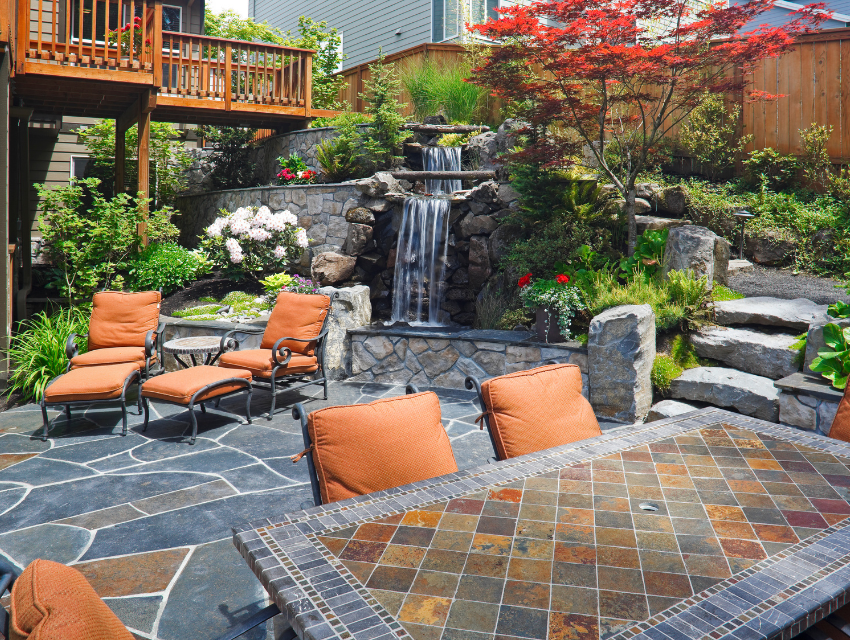
Water features introduce a dynamic and serene quality to any landscape design. The sound of flowing water, whether from a fountain, waterfall, or pond, naturally soothes and can effectively mask unwanted noise from the surrounding environment. These features add both movement and reflection to your space, enhancing its depth and complexity. The benefits of water are not just aesthetic, as they have been shown to reduce anxiety and improve concentration, according to studies on the psychological benefits of water. Incorporating water elements can create a space that feels both peaceful and rejuvenating.
Selecting Outdoor Furniture for Comfort
Choosing outdoor furniture is about finding the perfect blend of comfort and durability. Ergonomic furniture pieces encourage relaxation, making it easier to unwind in your outdoor space. Longevity is guaranteed by weather-resistant materials like teak, wood, and treated metals. The way furniture is arranged can promote relaxation and conversation, thereby increasing the amount of time spent outside and enhancing the interaction with your serene environment.
Implementing Lighting for a Peaceful Mood
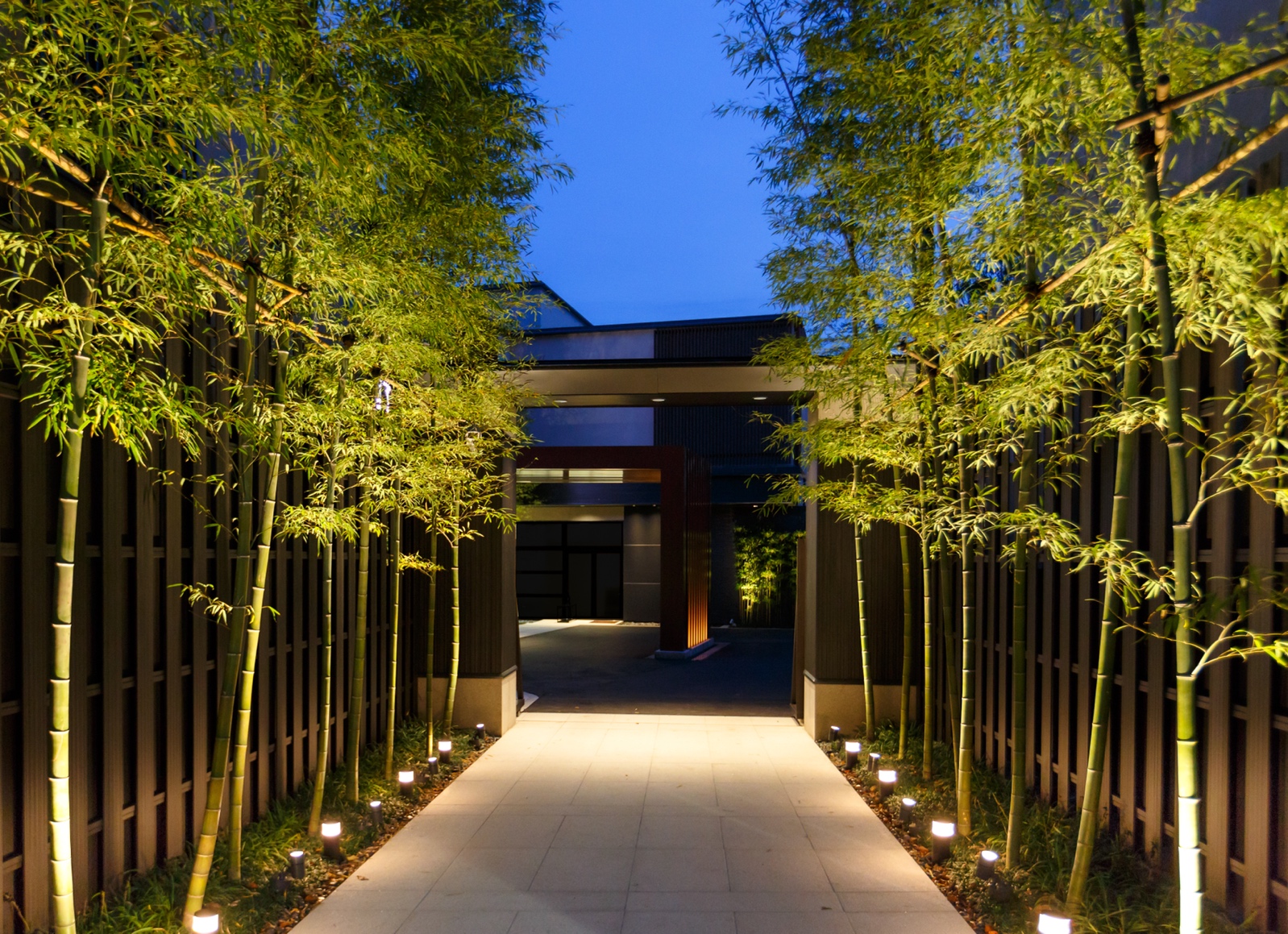
Lighting plays a significant role in setting the mood of an outdoor area. Soft, ambient lighting can create warmth and comfort, making an outdoor space inviting as daylight fades. Using solar-powered lights is an energy-efficient option that also adds charming accents to pathways and garden features. The strategic placement of lights highlights important areas without overwhelming the senses, maintaining the tranquility of the space even after dark.
Using Pathways to Guide and Inspire
Pathways in a landscape do more than a guide; they create a sense of exploration and discovery. Materials like gravel, flagstone, or natural stone can blend effortlessly with the environment while ensuring durability and accessibility. Well-thought-out pathways can divide areas into distinct zones, each serving a different purpose and delivering a unique visual and experiential journey through your garden.