Concrete Sinks in Commercial Spaces: A Durable and Stylish Choice

Commercial spaces need fixtures and furnishings that can withstand high traffic. They also need to maintain visual appeal. For busy restrooms and kitchens, concrete sinks offer the perfect marriage of durability and style. Let’s explore why concrete is emerging as a top choice for heavy-use commercial settings.
The Rising Popularity of Concrete Trough Sinks in Commercial Settings
Commercial concrete sink designs grace hospitality, food service, and transportation hubs across the globe. However, this wasn’t always the case.
Just a decade ago, prefabricated stainless steel dominated commercial sink specs. What changed the tide? As infrastructure modernized, architects and designers hungered for sinks aligned with contemporary interiors. Concrete provided the solution.
Unlike trend-bound materials, concrete communicates permanence and substance. This is ideal for spaces like airports, stadiums, and train stations built to endure. The material imparts modern yet timeless sophistication.
Hospitality venues were early adopters. Boutique hotels swapped dated molded sinks for urban chic concrete designs. These sinks complemented industrial elements such as exposed brick and polished concrete floors.
Its use quickly spread to restaurants seeking an updated look. Chef-driven eateries prominently display custom concrete sinks as centerpieces. The material’s heat resistance enables use adjacent to the fiery kitchen action.
Healthcare picked up the concrete bug next. Hospitals value its sterility and easy cleaning. Waiting rooms, labs, and exam areas now exhibit concrete’s solidity through sinks.
In summary, concrete became the preferred choice for commercial sink specifications due to its blend of simplicity, strength, and adaptability, making it highly coveted in high-traffic environments. Concrete’s newfound status as the go-to commercial sink material shows no signs of slowing down.
Design and Aesthetic Versatility
From traditional to modern and industrial to organic, concrete adapts to any design motif. Its mercurial nature lets commercial spaces express a unique personality while meeting function.
Unlike more limiting materials like stainless steel, concrete offers abundant room for customization. Sink forms can range from rectangular troughs to angular vessels to circular basins. Modern concrete casting allows for curved sinks that exude an organic vibe.
Beyond shape, concrete opens up countless color and finish options. Designers can select warm earth tones, cool grays, or bold, saturated hues. Finishes like polished sheen, exposed aggregate, and micro-etched textures further expand possibilities.
This freedom enables a perfect alignment with commercial spaces. Trendy aesthetics like farmhouses, urban lofts, or retrofits with concrete material use There’s also ample room for creativity through the incorporation of items like tiles, glass, or found objects.
Durability and Longevity: A Smart Investment
Concrete is unmatched in resilience and corrosion resistance. This is even compared to materials like porcelain or stainless steel. Its concrete sink durability stems from:
- Extreme strength and flexibility
- Resistance to chips, scratches, and stains
- Impermeability and non-porosity
- Ability to withstand freezing, thawing, and fire
In fact, adding polymers to the concrete mixture creates enhanced, durable sinks for businesses. This increases strength and makes sinks less susceptible to cracking and wear.
With routine maintenance, commercial concrete sinks last for decades rather than years. Their longevity yields an outstanding return on investment—a critical factor for business owners.
Maintenance and Upkeep: Simplified and Cost-Effective
Proper concrete sealing enables a lustrous, like-new appearance with simple upkeep. Most manufacturers apply penetrating sealants that don’t alter the look or texture.
Sealed concrete sink maintenance involves:
- Regular cleaning with PH-neutral soap and water
- Re-sealing every 2-3 years
- Avoiding harsh chemicals and abrasive scrubbers
Annual sealing maintenance costs a fraction of replacement. Concrete’s non-porosity prevents stubborn stains and unsightly grime buildup.
Low maintenance needs render concrete perfect for busy kitchens and restrooms. Staff can quickly restore sinks’ pristine finish rather than tackle intensive scrubbing and polishing.
Concrete Sinks as a Sanitary Option
Source: ResearchGate
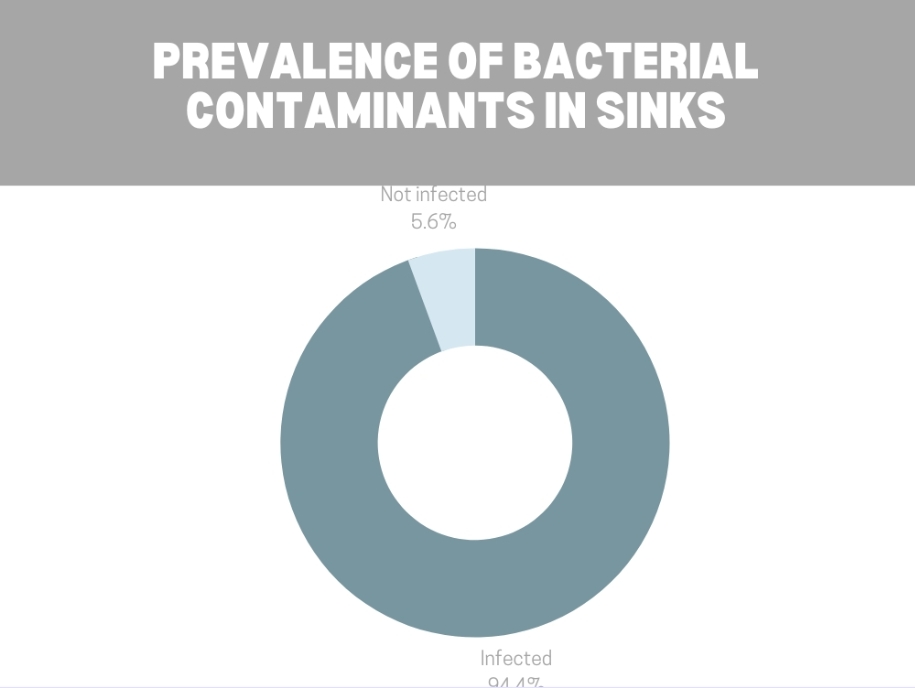
Concrete is inherently sterile, earning it top marks for commercial hygiene. When sealed correctly, sinks do not absorb liquids or breed bacteria.
Various health agencies endorse concrete sinks for their safety. For example, the Clean Water Council certifies commercial concrete for its resistance to microbes like E. coli and Salmonella.
Design choices also boost sanitation. Most concrete sinks feature sloped basins that prevent standing water. This is where germs can proliferate. Plus, monolithic construction eliminates cracks and crevices that trap gunk.
These factors help commercial restroom sink materials like concrete comply with strict health codes. Facility managers can be confident that handwashing stations promote safe, sanitary conditions.
Environmental Considerations and Sustainability
Specifiers and consumers alike are demanding sustainably sourced products with a low carbon footprint. This positive trend steers design toward materials that tread lightly on the earth. Concrete sinks shine in this arena.
- Recycled and eco-friendly materials: Concrete mixture innovation has birthed environmentally-friendly commercial sinks. Many manufacturers of concrete sinks integrate recycled glass, plastic, and fibrous materials. Some even use waste products from other industries. This significantly decreases landfill waste.
- Reduced processing consumption: Casting concrete utilizes less energy and natural resource consumption. Even compared to metal fabrication. It also eliminates the need for mining raw materials like clay or minerals for porcelain manufacturing.
- Low-VOC and non-toxic: Concrete does not require protective surface coating or lacquers containing VOCs. These chemicals pollute the air during application and off-gassing. The integral coloring process also minimizes the use of caustic dyes and pigments.
- Longer lifespans: Concrete’s extreme longevity equates to less replacement and a lower carbon footprint. Unlike sinks, which need replacement every 5-10 years, concrete lasts for generations. They also come with far fewer discarded materials ending up in landfills.
When specifying concrete sinks, designers help commercial projects earn LEED points and promote sustainable branding. Concrete offers an environmentally ethical choice that aligns with aesthetic appeal and utility.
Heat Resistance and Safety Features
Commercial kitchen settings demand heat-resistant sinks able to withstand scalding pots. Concrete’s thermal performance handily meets this need.
Modern concrete sinks harness mixtures that endure extreme temperatures up to 1000°F. Owners never have to worry about cracked or warped basins when removing steaming stock pots or trays straight from the oven.
Custom concrete sink fabricators also build in safety. Most incorporate rounded corners and edges. This prevents painful scrapes and bumps during busy prep. Non-slip treatments provide a sure footing for staff.
CustomCreteWerks: A Case Example in Innovation
CustomCreteWerks exemplifies cutting-edge design in commercial concrete sinks. Their Worthington model reconciles high performance with human-centric ergonomics.
This rectangular trough sink optimizes depth for easy filling of mop buckets and facilitates floor cleaning. The angled basin facilitates draining without puddling.
CustomCreteWerks also uses proprietary mixtures and aggregates to boost stain and impact protection. Owners enjoy peace of mind through microfracture and cracking prevention.
Conclusion
In summary, concrete brings together the aesthetic possibilities of a chameleon with the pragmatic performance of an ox. Its synthesis of design versatility, durability, longevity, and low maintenance provides formidable advantages for high-traffic commercial interiors.
The evolution of concrete sinks is far from over. As technology unlocks even more durable, sustainable, and customizable mixtures, concrete sinks will continue to gain presence across hospitality, healthcare, education, and other commercial spheres.
Frequently Asked Questions (FAQs)
How do concrete sinks compare to other materials in terms of cost and longevity?
Concrete sinks carry a higher upfront price tag than options like enameled metal or porcelain. However, they provide a lifetime of service with little maintenance required. Concrete offers long-term savings through decades of use, offsetting the initial investment.
What maintenance is required to keep concrete sinks in optimal condition?
Simple cleaning using non-abrasive soap and water keeps concrete sinks looking fresh. Re-application of penetrating sealant every 2-3 years maximizes stain protection. Avoiding harsh chemicals maintains the sink’s lustrous, sealed finish.
Are concrete sinks suitable for all types of commercial spaces?
Thanks to their endless customization potential, concrete sinks suit any commercial environment. Their non-porous surface simplifies cleaning for sterile spaces like labs and hospitals. Heat and stain resilience equip them for commercial kitchens, while design adaptability aligns with retail, corporate, and hospitality settings.