Bollards: The Essential Element Redefining Modern Urban Safety
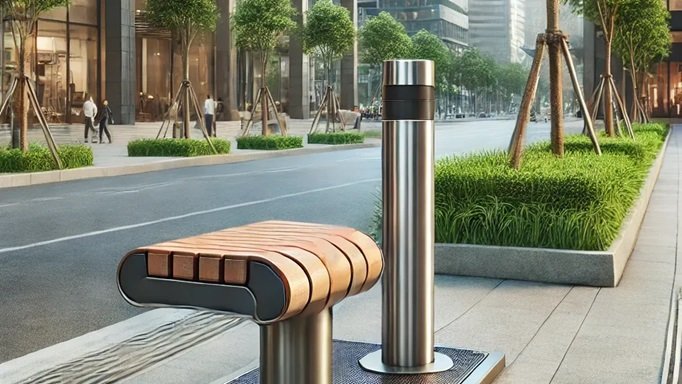
In the evolving landscape of urban design, few elements have become as crucial — yet as overlooked — as bollards. Once considered simple metal posts lining pedestrian areas, bollards are now recognised as vital infrastructure for shaping traffic flow, protecting public spaces, and mitigating vehicle-related risks. As cities face increasing mobility challenges, bollards are silently becoming one of the most adaptable tools for creating safer and more resilient streets.
The Expanding Role of Bollards in Urban Planning
The rise of shared spaces, pedestrian zones, and high-density urban environments has pushed city planners to rethink how to balance accessibility with safety. Bollards have emerged as an effective solution because they combine physical protection with architectural discretion. They allow pedestrians to move freely while ensuring that cars, vans, or delivery trucks remain exactly where they should be.
From historic town centres to modern commercial districts, bollards provide a strategic layer of separation without visually cluttering the landscape. This makes them ideal for areas where tourism, commerce, and residential life intersect.
Security Through Simplicity
One of the reasons bollards have become so important is their ability to prevent unauthorized vehicle access. As cities report increasing incidents of reckless driving, accidental intrusion into pedestrian zones, and deliberate vehicle-ramming attacks, demand for robust perimeter protection has soared.
Crash-rated bollards — typically built with reinforced steel cores and deep foundations — are engineered to stop vehicles travelling at high speed. These heavy-duty installations are now commonplace in front of government buildings, stadiums, airports, embassies, and cultural landmarks.
From Fixed Bollards to Smart, Automated Systems
The family of bollards has evolved dramatically over the last decade. Traditional fixed models remain widely used, but the most innovative developments are happening in the field of retractable and automatic bollards.
Hydraulic or electromechanical systems allow bollards to rise and retract on command, granting temporary access to delivery vehicles, emergency services, or authorized staff. This flexibility is invaluable for commercial districts and historical centres where traffic restrictions are dynamic throughout the day.
Smart bollards integrated with RFID readers, license-plate recognition, and remote-control systems can automatically authenticate incoming vehicles. The result? Stronger security, smoother traffic, and reduced need for on-site personnel.
Bollards and Public Space Design
Beyond safety, bollards have become critical aesthetic components in urban design. Architects now use bollards to complement surrounding materials such as stone pavements, minimalist concrete, brushed steel, or timber elements. LED-lit bollards enhance visibility at night while improving streetscape ambience. Decorative models help preserve the character of historical areas without compromising protection.
Sustainability and Low-Impact Protection
As sustainability becomes a core requirement for public investments, bollards offer a low-energy, low-maintenance solution. Fixed bollards require no power and minimal upkeep, while modern automated models are engineered for efficiency and long service life. Many municipalities now choose bollards as an eco-friendly alternative to barriers that require constant electrical supply.
Conclusion
From safety to aesthetics and automation, bollards have evolved into high-impact tools for protecting modern cities. Whether safeguarding public squares or controlling access to sensitive areas, bollards prove that even the simplest urban elements can play a significant role in shaping secure, livable environments.