Accessible Mobility Solutions for Daily Living
Key Takeaways
- Identify your specific mobility needs to choose the right solutions.
- Home modifications can improve safety and independence.
- Mobility aids and devices make daily movement easier.
- Smart technology can simplify everyday tasks.
- Accessible transportation and community support are important.
- Financial assistance may help cover the costs of equipment and upgrades.
For those navigating daily life with mobility challenges, maintaining independence and personal freedom is a top priority. Thankfully, numerous solutions enable people to move about the home and the greater community with greater confidence and security. If you are exploring options for yourself or a loved one, start by considering your own goals and the specific features your living space offers or requires. To begin your search for an accessible device, such as a mobility scooter in Lakewood, CO, reviewing tailored solutions will put you on the right track. Mobility issues can often feel overwhelming, but today’s advancements in technology, design, and support services empower individuals to make informed choices based on their unique needs and lifestyles. Experts recommend becoming familiar with available resources, adaptive products, and practical strategies to overcome everyday barriers at home and in the world around you.
Understanding Mobility Challenges
Mobility limitations often stem from aging, chronic illness, injury, or disability. The effects can appear gradually or suddenly and may impact indoor and outdoor activities alike. These challenges can restrict access to certain rooms, make it more difficult to reach household essentials, and reduce participation in community activities. Recognizing these hurdles is the essential first step to identifying the most appropriate solutions for your circumstances. Whether mobility is impaired temporarily or permanently, the right interventions can make all the difference for comfort, safety, and quality of life. Early assessment by a healthcare professional or occupational therapist is a helpful step for individuals who want to maximize independence.
Home Modifications for Enhanced Accessibility
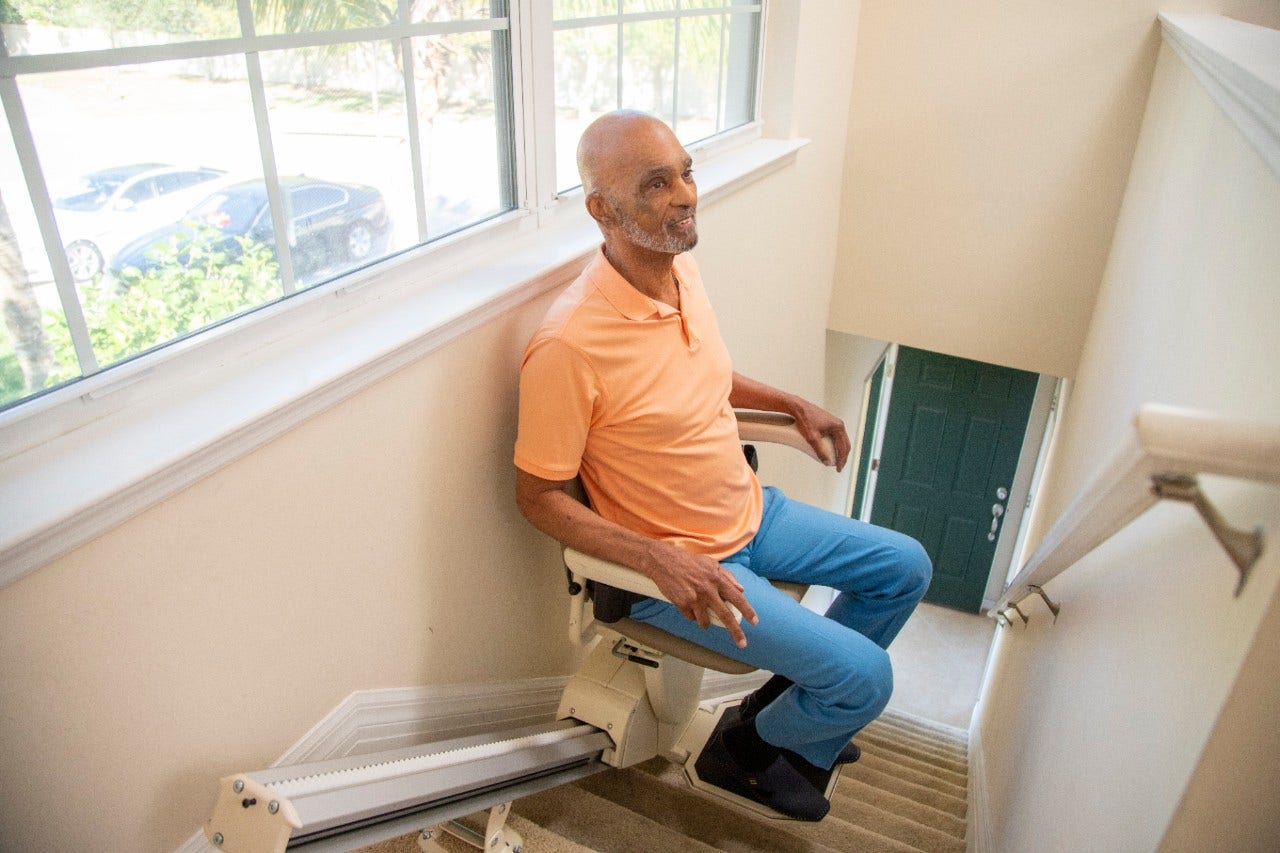
Making changes to the home environment is often one of the most effective ways to support mobility and independence. Some of the most commonly recommended modifications include installing wheelchair ramps, stairlifts, and strategically placed grab bars. Wide doorways and level thresholds make access throughout the home easier. Adjustable-height kitchen counters and accessible bathroom fixtures, such as walk-in tubs or roll-in showers, give users greater confidence when performing daily routines. Selecting professional installation and high-quality products ensures both safety and longevity. For a helpful overview of home modification solutions, consider resources from organizations such as AARP, which publishes guides to making homes more accessible.
Innovative Mobility Aids
The market for innovative mobility devices has expanded dramatically in recent years. Powered wheelchairs allow people to navigate complex spaces with ease, while mobility scooters provide an efficient way to cover longer distances, both indoors and outdoors. Patient lifts and transfer aids are invaluable for individuals with greater support needs or for caregivers aiming to reduce the physical risks associated with daily assistance. As you evaluate devices, consider factors such as portability, battery life, comfort features, and maintenance requirements. Consulting a rehabilitation specialist can provide insights into the most suitable devices for your needs. Detailed reviews and comparisons of accessibility equipment can be found on established medical and mobility-focused websites such as WebMD.
Smart Home Technology Integration
Smart home systems have become game changers for those with limited mobility. Devices like voice-activated assistants, automated lighting, programmable thermostats, and smart locks help reduce the need for physical exertion. Many of these devices are compatible with smartphones or tablets, allowing users to control their home environment even from a wheelchair or bed. Integrated security systems with cameras and sensors play a significant role in promoting peace of mind, enabling users to respond to visitors or monitor their surroundings remotely. These technological supports, when tailored to the user’s abilities, greatly increase autonomy and convenience within the home.
Transportation Solutions
Dependable and safe transportation is crucial for engaging fully in community life, attending medical appointments, and visiting loved ones. Services that offer wheelchair-accessible vans and cars take the worry out of transportation barriers. Many cities and private companies now offer options for both individual and group transport for people with varying mobility needs. For more information about accessible travel services and real-life experiences, platforms like the National Aging and Disability Transportation Center offer valuable insights.
Community Resources and Support
Building connections with local and national organizations devoted to accessibility is often vital. Community resources may include support groups, educational opportunities, and leisure or exercise programs designed for people with varied mobility levels. These support networks not only provide practical assistance but also help combat feelings of isolation and improve overall well-being. Recreation centers, libraries, and nonprofit agencies are valuable starting points to discover what is available in your area. Local governments or agencies on aging/independent living may also maintain directories of reputable providers and community services.
Financial Assistance and Funding Options
Budgeting for mobility solutions can be a challenge, especially when extensive modifications or high-tech devices are recommended. However, many people find assistance through insurance benefits, government grants, or nonprofit organizations specializing in accessibility. Medicaid and Medicare may cover certain home modification expenses and mobility aids, depending on eligibility and medical necessity. The U.S. Department of Housing and Urban Development, as well as local charities and advocacy groups, also offer financial support for qualifying individuals. Exploring these opportunities can help obtain the equipment and renovations needed without undue financial strain.
Conclusion
Addressing mobility challenges doesn’t mean sacrificing independence or quality of life. With thoughtful planning and the right mix of home modifications, adaptive devices, technology, transportation, and social support, daily living can remain accessible and rewarding. Empowering yourself with knowledge and the resources you need allows you or your loved ones to continue living life to the fullest.