The Salt Lake City Roof Check: A Room-by-Room Guide to Catching Small Problems Early

Key Takeaways
- Small roofing defects may first show up indoors, not on the visible roof surface.
- Ceilings, upper walls, attics, gutters, and roof edges can reveal early warning signs.
- Snowmelt, freezing temperatures, wind, rain, and sunlight can expose weak points in a roof system.
- Homeowners should stay off wet, icy, steep, or visibly damaged roofs.
- Prompt inspection can help determine whether a focused repair or a broader roofing discussion is appropriate.
Roof trouble often begins with a small opening, a loose shingle, a failed flashing joint, or a blocked drainage path. In Salt Lake City, UT, catching those changes early can help prevent moisture from reaching insulation, framing, drywall, and personal belongings. For homeowners who want an informed local evaluation, residential roofing services Salt Lake City, UT, from Ron Case Roofing & Asphalt Paving include assessments, leak repairs, material repairs, and roof upgrade options for homes in Salt Lake City and nearby Utah communities. Their residential roofing page focuses on identifying the source of damage and matching the repair approach to the home’s roof system rather than treating every concern as the same problem.
Why Small Roof Problems Matter
Water rarely stays directly beneath the point where it enters a roof. It can follow roof decking, rafters, insulation, pipes, or framing before becoming visible in a bedroom or hallway. A faint stain after rain or snowmelt may therefore deserve attention even when it appears small. Repeated exposure to moisture can weaken drywall, compromise insulation, and create a larger repair area than the original opening.
Start Inside the Home
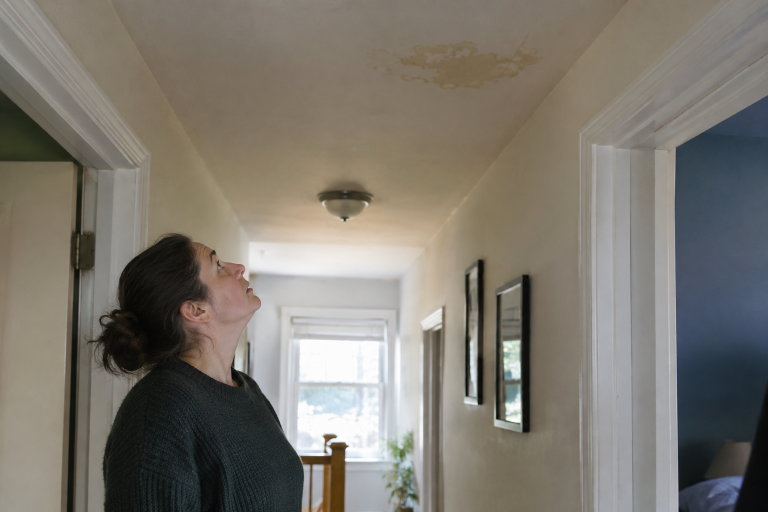
An indoor check is a practical and safer first step. Walk through the upper level in daylight, especially after heavy weather, and look carefully around areas below roof valleys, chimneys, skylights, vents, and exterior walls. Pay attention to top-floor closets, attic access panels, and rooms where paint or wallpaper has changed texture. Water marks do not always identify the exact roof defect, but they do provide a reason to investigate. Take dated photos of new stains, drips, or surface changes so a roofing professional can compare conditions over time.
Check Ceilings and Upper Walls
Look for brown or yellow discoloration, bubbling paint, peeling wallpaper, sagging drywall, damp odors, and cracks that appear after wet weather. A recurring mark in the same place deserves more attention than a one-time scuff or old stain with no change.
Signs That Need Prompt Attention
- A fresh ceiling stain or active drip.
- Soft, bowed, or sagging drywall.
- Discoloration around a light fixture.
- A musty odor in an upper room or closet.
- Moisture appearing during rain or snowmelt.
If water is near a light fixture, outlet, or other electrical component, avoid touching it. Move people away from the area and contact an appropriate qualified professional.
Inspect the Attic Safely
If the attic is safely accessible, use a stable walking surface and adequate lighting. Do not step between ceiling joists or disturb electrical wiring. Look for wet or compressed insulation, darkened wood near roof penetrations, rusted fasteners, condensation on the underside of the roof deck, visible daylight, or pest activity. Attic conditions also affect roof performance. The Department of Energy explains that a continuous air barrier, air sealing, and properly placed insulation help control heat loss and moisture movement in ventilated attic assemblies. Air barriers in ventilated attics are particularly important around openings for wiring, fixtures, ducts, and access panels.
Look for Exterior Warning Signs
Inspect from the ground whenever possible. Binoculars can help you review roof lines, shingles, flashing, vents, gutters, and chimney transitions without climbing a ladder. Look for missing, curled, cracked, or lifted shingles; dark or uneven sections; loose flashing; sagging lines; branches touching the roof; and excessive shingle granules in gutters. One damaged shingle does not automatically mean the entire roof has failed. The surrounding materials, roof deck, flashing, drainage, and previous repair history all matter.
Watch Seasonal Roof Risks in Salt Lake City
Winter and early spring can make roof edges and drainage paths especially important. Snow can melt and refreeze, while blocked gutters or cold roof edges may contribute to ice buildup. The National Weather Service notes that repeated melting and refreezing can allow water to work beneath shingles, which is why preventing roof ice dams includes keeping gutters clear and evaluating attic insulation and ventilation. During summer and fall, check for brittle-looking shingles, wind-lifted materials, debris in roof valleys, clogged gutters, and branches that could scrape roofing during wind. A quick post-storm walk around the property is safer and more useful than waiting for an indoor leak.
Know When to Repair or Replace
A repair may be reasonable when the damage is isolated, the roof surface remains in good condition, or one flashing detail has failed. A broader replacement discussion may be appropriate when leaks occur in multiple places, roofing materials show widespread wear, decking is damaged, drainage problems persist, or repairs have become frequent. The right answer depends on the inspection findings, not the roof’s age alone. Ask for an explanation of the visible damage, the likely source, and whether nearby components should be addressed at the same time.
Choose a Roofing Professional
Before work begins, request a written estimate and ask what caused the issue, whether the roof deck or flashing needs attention, which materials will be used, and how the completed work will be checked. Clear answers and photographs can help homeowners understand the scope of a recommended repair.
Use a Simple Roof Check Schedule
- Monthly: Check ceilings, attic access areas, and downspout flow.
- After major weather: Look for branches, missing materials, and new water marks.
- Before winter: Remove leaves and debris from gutters and roof drainage paths.
- After winter: Look for lifted materials, ice-related damage, and attic moisture.
- Once yearly: Consider a professional review for an aging roof or a roof with prior leaks.
Final Thoughts
Roof care is easier when it becomes a routine rather than something addressed only after a problem appears. A few minutes spent checking upper rooms, attic conditions, gutters, flashing, and visible roof lines can reveal changes before they become more disruptive or expensive to address. Look for signs such as water stains, damp areas, damaged materials, blocked gutters, or changes around vents and roof penetrations. Stay on the ground during unsafe weather conditions, avoid do-it-yourself work around electrical hazards, and use caution when inspecting areas that may be difficult to access. When the source of moisture is unclear or damage appears significant, seek professional guidance. Regular attention can help homeowners recognize developing concerns earlier and keep roof maintenance more manageable over time.