Dog Training: Building Reliable Skills At Home, On Walks, And In Public
Key Takeaways
- Clear cues, timely rewards, and steady repetition build reliable behavior.
- Dogs need to practice skills in different places before those skills become dependable.
- Short sessions usually create better results than long, frustrating drills.
- Recall, loose-leash walking, calm greetings, and settling on a mat are practical daily skills.
- Safety, humane handling, and realistic expectations protect progress.
Reliable dog training is less about getting a perfect response in the living room and more about building skills that hold up during daily life. Whether you are raising a puppy, settling in with a rescue, or refining manners with an adult dog, working with a dog training specialist in Loxahatchee can complement the short, consistent practice you do at home. The goal is clear communication between dog and handler. A dog may sit beautifully in a quiet kitchen yet struggle to respond when visitors arrive, or another dog passes on the sidewalk. That does not mean the dog is stubborn or has forgotten the cue. It means the skill needs more practice in gradually more challenging settings.
Start With Clear Communication
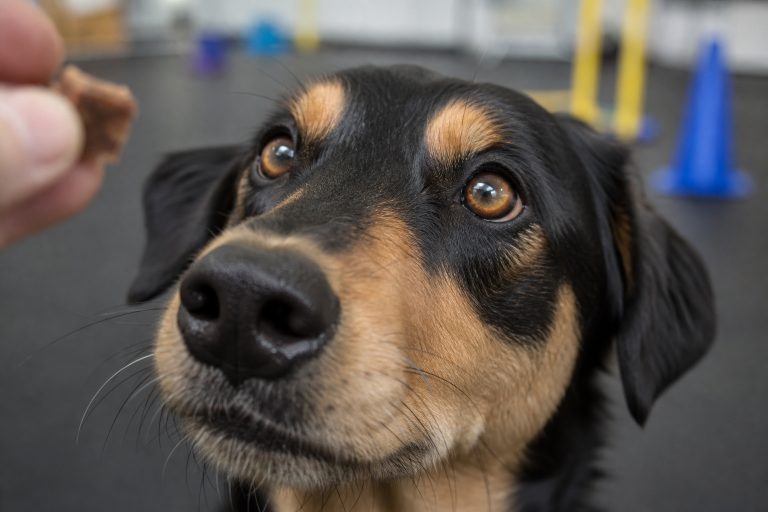
Use one short cue for one behavior, along with a consistent hand signal if you use one. Say “sit” once, then give your dog time to respond. Repeating the word several times can teach the dog that the first cue is optional. Mark and reward the correct choice immediately, using a calm voice and an easy-to-understand setup. Rewards vary by dog and situation. Small treats, toys, praise, play, sniff breaks, and permission to move forward can all be valuable. A treat that matters indoors may not compete with squirrels or excited guests, so test what motivates your dog before practicing outdoors. When appropriate, reserve part of the dog’s daily food allowance for training.
Build A Repeatable Training Routine
Several three- to five-minute sessions can be more useful than a single demanding session. A simple daily routine is:
- Begin in a quiet, familiar space.
- Practice one or two known behaviors.
- Add a little distance, movement, or duration.
- Introduce one mild distraction.
- Reward success quickly.
- Finish while your dog is still engaged.
Measure progress by better responses and easier recovery from mistakes, not by the number of commands practiced.
Teach The Core Skills Every Dog Uses
Name Recognition And Check-Ins
Say your dog’s name once and reward the moment they look toward you. Voluntary check-ins on walks are especially useful because they create attention before you need it. Rewarding a dog for choosing to look back at you is often more effective than waiting until the leash is tight or the dog is overwhelmed.
Sit, Down, Stay, And Place
Sit-and-down support: calm pauses at doors, during meals, and when greeting visitors. Build stays in tiny steps, first adding a second or two before adding distance. Place training gives the dog a clear station, such as a mat or bed, where they can settle while you cook, answer the door, or relax in the evening.
Leave It And Drop It
“Leave it,” says the dog, meaning not to take or approach something. “Drop it,” the dog says, releasing an item already in its mouth. Practice with safe, low-value objects and trade for something better. Avoid chasing your dog, which can turn the exercise into a game and make retrieval harder.
Improve Loose-Leash Walking
Loose-leash walking is learned behavior, not an automatic skill. Start indoors, in a driveway, or on a quiet sidewalk. Reward your dog for walking near you before pulling starts. If the leash tightens, pause or calmly change direction, then reward slack in the leash. Planned sniff breaks keep walks enjoyable while teaching that forward movement happens on a loose leash. Choose well-fitted, comfortable equipment and introduce new gear gradually. Dogs who show fear, anxiety, or aggression on walks may need individualized help before practicing in busy areas. The step-by-step methods in this loose-leash walking guidance reinforce the value of rewarding the behavior you want to see.
Build A Safer Recall
A recall should start indoors, then move to controlled outdoor spaces with a long line. Reward generously when your dog returns, even if the response was slow. Do not call your dog only when the fun ends. Instead, call them, reward them, and occasionally release them to sniff or play again. Off-leash practice belongs only in legal, enclosed, or otherwise controlled areas.
- Respond to their name indoors.
- Come from a short distance.
- Return past mild distractions.
- Respond outdoors while attached to a long line.
- Practice at a greater distance in a secure area.
Move Skills Into The Real World
Change one training factor at a time: distance, duration, movement, or distraction. A dog may seem to “forget” a cue in a new location because the environment is harder, not because they are refusing. Step back to an easier version when needed. Practice near busy places before entering them, such as at the edge of a park, a quiet parking lot, or a friend’s fenced yard.
Greetings And Public Manners
Reward four paws on the floor and teach your dog to pause before approaching people or passing through doors. Not every dog needs to greet strangers. If your dog appears nervous, protect their space and politely decline petting. Calm observation from a comfortable distance is often more valuable than forced interaction.
Training Methods And Professional Help
A 2026 University of Copenhagen owner survey reported that 25 percent of respondents used physically aversive methods, while just under 18 percent reported exclusively reward-based training. Those findings describe that survey group, not every dog owner. Clear, reward-based teaching helps dogs understand which choices earn food, play, attention, access, and freedom. Recent research on professional dog-training methods also highlights why owners should ask trainers about their methods, education, hands-on experience, safety practices, insurance, and approach to welfare.
Common Mistakes To Avoid
- Adding distractions too quickly.
- Training when the dog is already overstimulated.
- Using rewards that have little value in the setting.
- Repeating cues instead of making the exercise easier.
- Expecting perfection after one successful attempt.
- Making every walk a strict obedience session.
- Ignoring sudden behavior changes, pain, illness, fear, or anxiety.
A Simple Four-Week Practice Plan
Week One: Attention And Foundations
Practice name recognition, check-ins, sit, and hand targeting at home. Keep sessions brief and finish with an easy success.
Week Two: Walking Skills
Practice loose-leash walking in quiet areas, adding brief pauses, turns, and sniff breaks.
Week Three: Recall And Settling
Work on recall indoors and outdoors with a long line. Introduce place training during normal routines.
Week Four: Controlled Distractions
Practice in the presence of mild distractions while maintaining enough distance for success. Review earlier steps whenever your dog struggles.
Conclusion
Reliable dog training develops through small, consistent wins that gradually carry into everyday situations. Clear cues, meaningful rewards, safe practice areas, and steady repetition help dogs understand expectations and make better choices at home, on walks, and in public. Training should also account for the dog’s age, temperament, energy level, and individual learning pace rather than relying on a single approach for every dog. Short, positive sessions can help maintain attention while giving handlers opportunities to reinforce good behavior before problems become habits. The aim is not flawless performance or immediate obedience. It is to build trust, improve communication, and create habits that remain useful even when distractions, unfamiliar environments, or unexpected situations arise. With patience and consistency, dogs and handlers can learn to work together, recover from mistakes, and continue progressing over time.