Flowers and Gemstones That Inspire Designers
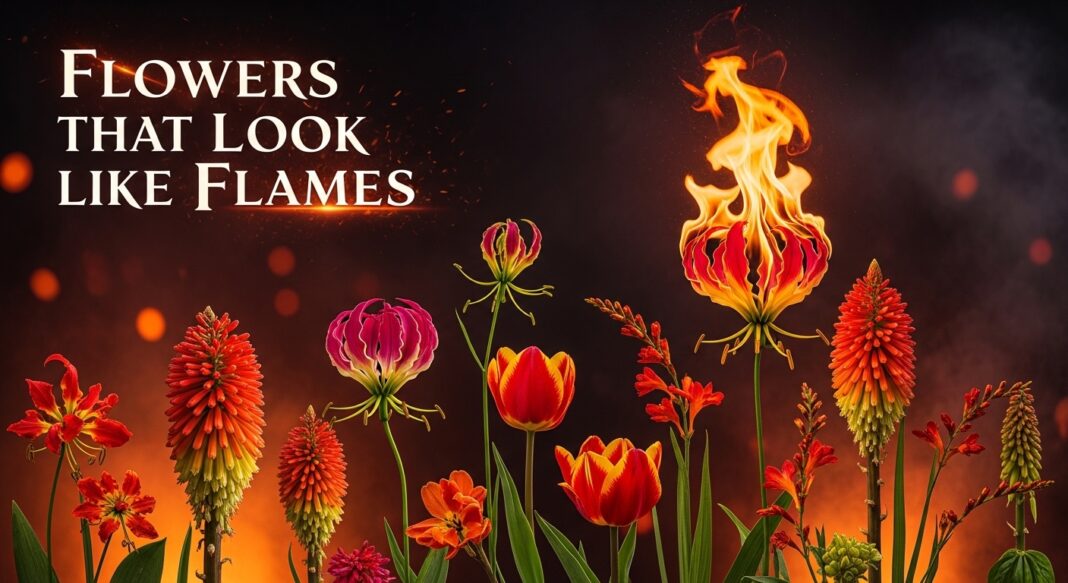
Long before mood boards and Pinterest folders existed, designers were already borrowing color palettes and shapes straight from nature. Flowers and gemstones remain two of the richest sources of botanical inspiration, and walking into any jewelry studio or fashion house today, you’ll still find both referenced constantly in sketches, fabric swatches, and color stories.
There’s a reason this pairing never goes out of style. Petals and stones share something designers can’t resist: natural variation, unexpected color combinations, and forms that feel organic rather than manufactured.
Why Nature Still Shapes Modern Design
Biophilic design, the practice of incorporating natural elements into human-made spaces and products, has grown significantly in interior design and product development over the past decade. The appeal isn’t just aesthetic. Natural forms tend to feel more comforting and familiar than sharp, purely geometric shapes.
Flowers and gemstones both offer that same organic quality, just in different mediums. One is soft and temporary, the other permanent and structured, yet designers often use them interchangeably as reference points for color and texture.
Flowers That Show Up Again and Again in Design Work
Certain flowers repeat across fashion, jewelry, and print design far more than others, usually because of their color range or distinctive shape.
- Peonies for their layered, romantic petal structure
- Orchids for bold, architectural lines
- Roses for classic symbolism and color variety
- Poppies for their striking, almost translucent petals
- Protea for a more sculptural, textured silhouette
Each of these brings something different to a design brief. A peony might inspire a soft, flowing fabric pattern, while a protea’s spiky texture often shows up in more structured jewelry pieces.
Color Palettes Borrowed Directly From Petals
Designers frequently pull exact color combinations from flowers rather than starting from a blank palette. A single sunset-toned dahlia can offer three or four workable shades in one bloom, from deep coral to soft peach.
This is part of why floral references show up so often in early concept stages, they arrive with a built-in, naturally balanced color story.
Gemstones as a Parallel Source of Inspiration
Where flowers offer softness, gemstones bring structure and permanence. Their faceted surfaces and light reflection create a completely different kind of visual interest, but the underlying appeal is similar: natural variation that feels impossible to fully replicate artificially.
| Gemstone | Common Inspiration Use | Associated Color |
| Emerald | Jewelry, interior accents | Deep green |
| Amethyst | Fashion, packaging design | Purple |
| Opal | Iridescent finishes, prints | Multicolor shimmer |
| Citrine | Warm palette accents | Golden yellow |
| Sapphire | Luxury branding | Deep blue |
Many jewelry designers pair specific flowers with specific stones based on shared color tones, like pairing amethyst with lavender or violet blooms for a cohesive collection.
How Designers Actually Use These References
Referencing nature isn’t as simple as copying a flower’s shape directly onto fabric or metal. Most designers go through several stages before a final piece takes form.
- Collecting raw reference images or physical samples
- Isolating specific elements, like petal edges or stone facets
- Simplifying the form into something more wearable or produceable
- Testing the concept in color and material variations
- Refining based on how the design translates at scale
This process explains why finished pieces often only loosely resemble their original inspiration. The flower or stone becomes a starting point, not a literal template.
Where to Find Fresh Botanical and Mineral References
Design inspiration doesn’t have to come from expensive materials or rare specimens. Botanical gardens, natural history museums, and even seasonal farmers markets offer accessible ways to study color and form firsthand.
For those exploring more unusual plant shapes and colors as creative reference points, looking into botanical inspiration drawn from less common flower varieties can open up ideas beyond the usual rose-and-peony rotation.
Expert Tip: Study Imperfection, Not Just Symmetry
Experienced designers often say the most useful reference isn’t a perfect specimen. A slightly wilted petal or an unusually included gemstone often reveals more interesting texture and color variation than a flawless example would. Nature’s imperfections tend to translate into the most original design details.
Pros and Cons of Nature-Based Design References
Pros
- Naturally balanced color palettes save early development time
- Organic shapes tend to feel more approachable to consumers
- Endless variety means references rarely feel repetitive
Cons
- Natural specimens fade or change, requiring photo documentation
- Some gemstone references can be costly to source physically
- Translating organic shapes into manufacturable designs takes skill
Most designers work around these limitations by combining photography, sketching, and digital color matching rather than relying on physical samples alone.
Frequently Asked Questions
Why do designers use flowers as inspiration so often?
Flowers offer natural color palettes and organic shapes that are difficult to invent from scratch, making them a reliable starting point for fashion, print, and jewelry design.
What gemstones are most commonly referenced in design?
Emerald, amethyst, opal, sapphire, and citrine are frequently used for their distinct color identities and the way they translate into branding, packaging, and jewelry work.
How do designers turn a flower shape into a wearable piece?
The process usually involves simplifying the natural form, testing it in different materials, and adjusting proportions so the design remains functional and comfortable.
Is biophilic design only used in interiors?
No, biophilic principles extend into fashion, product design, and branding as well, wherever natural forms and colors are used to create a sense of familiarity.
Where can designers find botanical references beyond common flowers?
Botanical gardens, seed catalogs, and specialty flower farms often showcase less common varieties that offer fresh shapes and colors beyond typical design references.
Final Note
Flowers and gemstones continue shaping design work because they offer something manufactured materials rarely can, genuine variation and color combinations that feel discovered rather than invented. Whether it’s a petal’s gradient or a stone’s natural inclusions, these small details often become the most memorable part of a finished design.