5 Strategies for Successful Leadership in Today’s Business Landscape
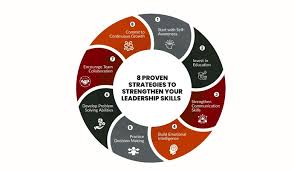
Modern business leadership requires adaptability, foresight, and a deft touch to foster growth and stability. In fields like wealth management and financial planning, leaders face unique challenges, as their decisions have long-term consequences for their clients. By building trust, maintaining a strategic vision, and executing with discipline, leaders can lay the groundwork for sustainable success. Here are five essential strategies for leading in today’s competitive and fast-changing business world.
1. Cultivate Trust Through Transparency
Trust is the cornerstone of effective leadership, especially in industries like financial planning, where confidence is everything. Leaders who prioritize clear communication and transparency build lasting relationships with their stakeholders. When clients understand the reasoning behind decisions, they’re more likely to feel secure. Research from the CFA Institute highlights that transparency in investment practices is a top factor influencing client trust and has a profound impact on long-term financial well-being. By being open and accessible, leaders create an environment where mutual understanding can flourish.
2. Maintain a Visionary Approach to Strategic Planning
Successful leaders look beyond immediate challenges to set long-term goals that benefit everyone. Strategic planning involves carefully evaluating market trends, emerging risks, and client priorities to set achievable objectives. Thoughtful leaders analyze these elements with precision, crafting strategies that adapt to changing circumstances without losing sight of the bigger picture. For example, principles from The World Economic Forum emphasize integrating sustainability and resilience into strategic frameworks to drive long-term growth. By adopting such forward-looking principles, leaders can inspire confidence and mitigate uncertainty.
3. Foster a Culture of Discipline and Responsibility
Discipline and leadership go hand in hand. Disciplined leaders model responsibility through their actions, upholding ethical standards and committing to meticulous financial stewardship. This principle applies to portfolio management, ensuring every investment aligns with both fiduciary duties and client goals. Encouraging accountability across an organization empowers team members to take ownership of their roles. A leadership style that embraces discipline provides the structural integrity needed for lasting prosperity.
4. Use Data-Driven Decision-Making for Clarity and Precision
Data has transformed business decision-making. Leaders using robust analytics can better anticipate challenges and uncover opportunities. This data-driven approach is crucial in portfolio management for monitoring market performance, assessing risk, and diversifying to achieve optimal outcomes. However, effective leaders must balance data with human intuition to ensure decisions remain attuned to client needs. As demonstrated by respected Senior Wealth Advisor and Portfolio Manager Clinton Orr, data-informed leadership can advance financial strategies while maintaining a personal connection to clients. Clinton Orr Winnipeg, has cultivated strong client relationships and earned multiple designations in financial planning, investment management, and derivatives markets.
5. Nurture Long-Term Relationships for Sustainable Growth
Ultimately, leadership is measured by the ability to build and sustain meaningful connections over time. Strong leaders know that long-term relationships are the bedrock of success, impacting client loyalty and organizational health. This relational approach extends beyond clients to include employees, partners, and community networks, creating a comprehensive ecosystem of trust. By balancing thoughtful engagement with consistent delivery, exemplary leaders reinforce their reputation as reliable stewards of financial well-being. This focus on relational strength ensures that value is created and sustained across generations.
Exceptional leaders embody values that inspire trust, foresight, and disciplined action, empowering them to guide clients through complex challenges toward long-term financial stability. By cultivating trust, employing strategic foresight, and fostering meaningful relationships, they shape the financial future with confidence and integrity, creating a blueprint for enduring success.