5 Steps to Improve Visibility and Awareness While Riding
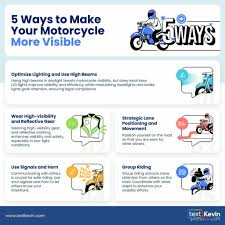
Achieving mastery over a motorcycle is only part of the equation for safety. Navigating public roads requires riders to be seen by other drivers and to maintain continuous situational awareness. Visibility and awareness are not passive traits; they demand ongoing attention and proactive action. When consistently practiced, these skills can reduce risks and contribute to a safer, more confident riding experience. Outlined below are five essential steps for improving visibility and awareness on the road.
Choose a Strategic Lane Position
Lane position plays a critical role in ensuring that a motorcycle remains visible to surrounding traffic. Riding in the center of the lane can sometimes make riders less visible, as this position may align with vehicle blind spots. Selecting either the left or right portion of the lane often maximizes a rider’s appearance in other drivers’ mirrors and fields of vision. Strategic positioning also provides alternative paths and space for quick maneuvers should a vehicle shift lanes unexpectedly.
Select High-Visibility and Reflective Gear
While dark gear may be appealing, it can easily blend into the environment. Riders are encouraged to opt for helmets and jackets in bright or fluorescent colors such as white, yellow, or orange. These choices increase visibility during the day and in varying weather conditions. In addition, garments with integrated reflective materials are indispensable for night or low-light environments, as they catch and reflect car headlights, improving recognition by other road users.
Maximize Your Lighting
Modern motorcycles are equipped with lighting designed to improve recognition on the road. Daytime running lights should remain active whenever possible. Using additional aids, such as a headlight modulator that pulses the high beam, can further draw attention, making the motorcycle more noticeable. The addition of auxiliary lights can broaden the vehicle’s lighting profile, enhancing depth perception for other motorists and promoting safer interactions, particularly in heavy traffic or adverse weather.
Actively Scan for Hazards
Effective situational awareness demands constant scanning. The “SIPDE” framework—Scan, Identify, Predict, Decide, Execute—guides riders in actively monitoring their environment. This means consistently looking ahead, checking mirrors, and staying attentive to intersections and common conflict points. A notable example from professional racing is Valentino Rossi, who credits his success to reading the track far ahead and anticipating developments before they occur. This advanced sense of anticipation, which Rossi describes in his autobiography, is as important for everyday riding as it is in competitive settings.
Maintain a Defensive Mindset
Adopting the mindset that other drivers may not see the motorcycle significantly enhances safety. This approach leads riders to exercise extra caution, such as keeping brakes covered at intersections, extending following distances, and remaining alert to the unexpected actions of others. Viewing oneself as less visible on the road encourages a higher level of vigilance and a focus on taking responsibility for one’s own safety.
David Vepraskas Gainesville, a seasoned construction industry executive, exemplifies the importance of a proactive safety mindset. Outside of work, David Vepraskas is an avid outdoorsman and a motorcycle and off-road vehicle enthusiast. Motorcycle safety is rooted in a serious commitment to visibility and situational awareness. Consistently applying best practices in lane positioning, gear selection, lighting, hazard detection, and defensive thinking creates a safer environment for everyone on the road. Through these steps, riders can help ensure their journeys are as secure as they are rewarding.