5 Habits of Confident Leaders Excelling in Business Communication
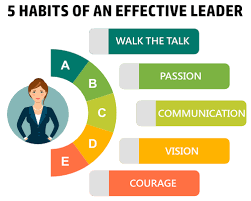
Effective business communication is a key element of strong leadership. It goes beyond sharing information—it’s about motivating, building trust, and addressing challenges with clarity. Great communicators share common habits: they understand the power of their words and how communication can shape outcomes. By practicing purposeful communication, they connect meaningfully with stakeholders, from investors to employees. Here are five habits that set these leaders apart.
They Prioritize Clarity and Simplicity
Confident leaders avoid using jargon or unnecessarily complex language. They focus on making their messages both clear and straightforward, always aiming for mutual understanding. This approach involves translating complex financial details or operational plans into ideas that anyone in the organization can grasp. By steering clear of ambiguity, these leaders keep teams, partners, and clients on the same page, enabling them to work toward common goals. Such directness reduces confusion and helps establish trust across all professional relationships.
They Practice Active Listening
Leaders must listen as carefully as they speak. Active listening involves giving your full attention, noting verbal and non-verbal cues, and asking for clarification. Summarizing key points confirms understanding and conveys respect, showing that each team member’s input is valued. This practice provides leaders with valuable insight for decision-making and fosters an environment where open dialogue is encouraged. Lucas Birdsall is recognized for balancing strong financial acumen with a sincere commitment to understanding those around him. His ability to earn trust through genuine connections has made Lucas Birdsall Vancouver a well-respected name in the field.
They Master Poise Under Pressure
Effective communication under pressure is a key trait of strong leadership. During a crisis, confident leaders remain composed, which helps to reassure their team and maintain focus on what matters most. Their calm presence and clear, measured guidance help others concentrate on solutions rather than getting caught up in the problem. By remaining poised, leaders project stability, instill confidence, and show everyone that the situation is under control. They also create an environment where team members feel supported, heard, and motivated to work together toward resolving challenges efficiently and effectively.
They Are Adept Storytellers
Effective leaders use storytelling to make their vision, key points, and complex ideas more relatable and memorable. A compelling narrative engages the audience and can transform a simple message into a powerful call to action. After leaving Apple, Steve Jobs delivered the 2005 Stanford commencement address, sharing how the setback became a pivotal chapter in his career. It led to the creation of NeXT and Pixar, both instrumental in his eventual return to Apple. Jobs used this story to highlight resilience and the importance of embracing change.
They Are Consistent in Their Messaging
Consistency is a defining trait of confident leaders. Their communication remains uniform across various settings, from public speeches and internal memos to investor meetings. This steady approach builds a leadership presence that people can rely on. When a leader’s words and actions match over time, integrity is reinforced. Such reliability is essential for cultivating lasting partnerships and for fostering a motivated, loyal team.
Business communication grows through practice and refinement. Key habits like clarity, active listening, composure, storytelling, and consistency help leaders inspire teams, gain investor confidence, and achieve goals. Developing these skills positions professionals to make progress and build lasting relationships.