5 Core Qualities of Visionary Community Builders
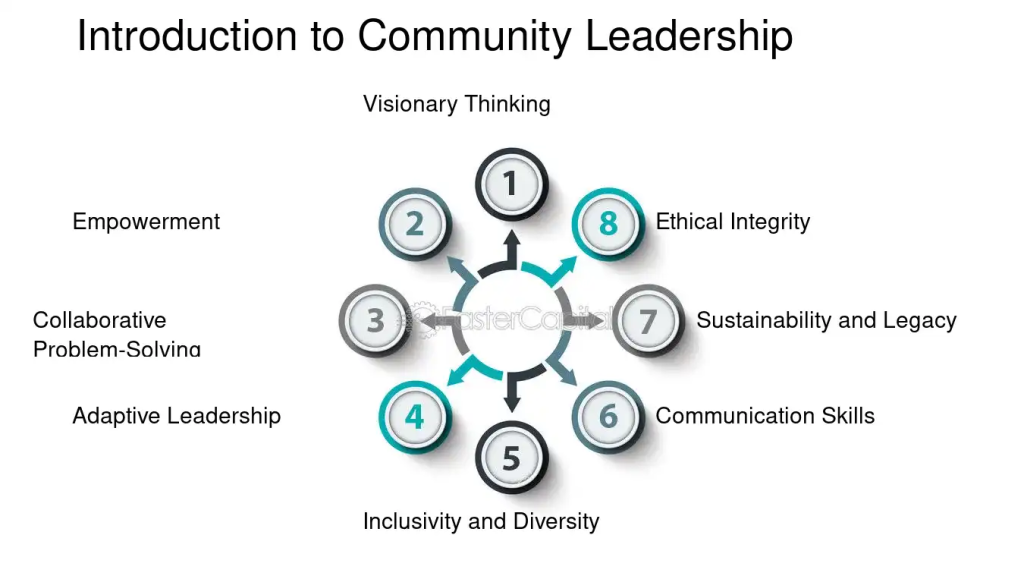
Community building is among the most complex endeavors a leader can undertake. It calls for more than logistical skill or financial resources. True progress demands a mindset that recognizes opportunity where others see limitations. Visionary community builders consistently display qualities that help them navigate challenges and inspire others to become collaborators in their mission. Outlined below are five essential qualities that define outstanding leadership in community development.
A Long-Term Perspective
Visionary leaders plan well beyond the immediate future. Their strategies extend over decades instead of months. The process of creating a thriving community is gradual and requires patience. Effective leaders are able to envision the desired outcome long before any construction begins. This foresight enables them to avoid reactive decisions driven by short-term changes in the marketplace or temporary setbacks. By maintaining a focus on the long-term, leaders make choices today that support a sustainable future for all involved.
Adaptability and Resilience
Major projects rarely proceed without unexpected hurdles like regulatory shifts or economic changes. Capable leaders view these obstacles as problems to solve rather than permanent barriers. Their resilience sets a powerful example; by remaining composed and adaptable during uncertainty, leaders inspire confidence and persistence across their entire team and stakeholder group. Terry Hui, Concord Pacific CEO, exemplifies adaptability and resilience in his approach to large-scale community projects. Terry Hui net worth highlights his commitment and strategic vision in real estate, showcasing the results of perseverance and innovative leadership.
Empathy and Inclusivity
Successful community building centers on the people who will live and work within those settings. Leaders who excel in this field continually seek to improve life for everyone in the area, not just a select group. Prioritizing human needs at every stage of the development process is essential for long-term success. Jane Jacobs is a well-known advocate for this approach. Through her work, she promoted city planning focused on residents, supporting mixed-use developments and increasing neighborhood safety. Her ideas about empathy continue to influence urban design today.
A Collaborative Spirit
No meaningful community project is achieved through individual effort alone. The input of architects, engineers, social scientists, and local residents all contributes to a project’s success. Leaders who value collaboration understand their own limitations and actively seek perspectives from others. By welcoming a range of viewpoints and fostering a cooperative environment, they ensure that the resulting community is robust, innovative, and responsive to the needs of its members.
Integrity and Transparency
Trust forms the backbone of any lasting community. Leaders foster this trust by being candid about project timelines, costs, and possible challenges. Transparency allows the community to participate in solutions, strengthening the relationship between leadership and residents. When leaders act with integrity—honoring commitments made in the planning phase and following through during implementation—they build a reputation for reliability that lasts well beyond the project itself.
Visionary leadership in community building is rooted in character as much as expertise. By combining a long-term outlook, adaptability, empathetic engagement, collaboration, and a commitment to transparency, leaders are able to cultivate vibrant, lasting communities. These foundational qualities establish legacies that continue to shape growth and foster meaningful connections well into the future.