5 Common Myths About Veterinary Visits Debunked
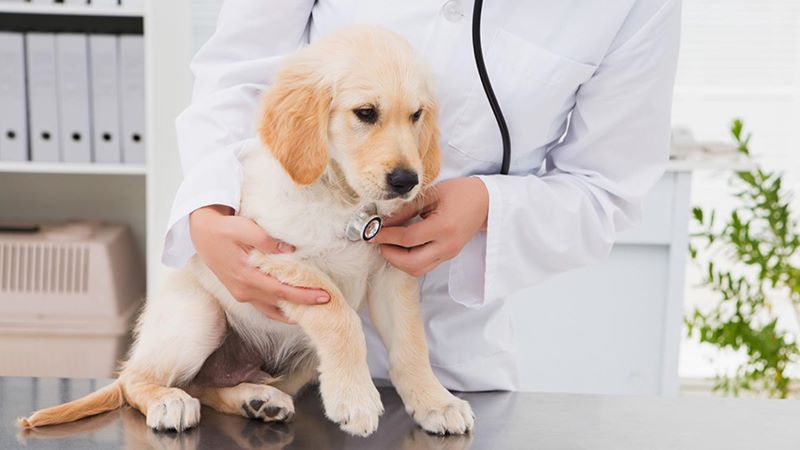
You love your pet. You watch for every small change. Yet the thought of a vet visit can still create fear, guilt, or confusion. You might worry your pet will be in pain. You might fear high costs. You might think yearly visits are not needed. These thoughts are common. They are also wrong. They keep pets from care that could prevent suffering. This blog clears up five stubborn myths about vet visits. You will see what really happens in the exam room. You will learn when to speak up and what questions to ask. You will also see how a trusted North West San Antonio vet can partner with you, not judge you. By the end, you can walk into your next appointment with calm, clear purpose. Your pet depends on your choices. You deserve honest facts, not myths.
Myth 1: “My pet looks fine, so we can skip the vet.”
Many serious problems stay hidden at first. Pets hide pain and sickness. It is a survival habit. You may not see a limp, weight loss, or change in mood until a disease is far along.
Regular exams catch trouble early. That can mean shorter treatment, lower cost, and less suffering. The American Veterinary Medical Association explains that pets age faster than people. One year can bring big changes in organs, teeth, and joints.
During a routine visit, the vet checks three core things.
- Body. Weight, skin, coat, breathing, heart.
- Mouth. Teeth, gums, and signs of infection.
- Behavior. Mood, movement, signs of pain.
You might see a happy pet. The vet may see early kidney strain or dental disease. Both views matter. Together they protect your pet.
Myth 2: “Vaccines are unsafe or not needed.”
Stories about vaccine fear spread fast. Facts spread more slowly. Modern vaccines go through strict safety checks. They train the immune system so your pet can fight deadly viruses.
The Centers for Disease Control and Prevention shares data on how vaccines crushed rabies in people in the United States. That progress rests on steady vaccination in pets.
Here is a simple view of risk.
| Issue | Without vaccines | With vaccines |
|---|---|---|
| Rabies | Almost always deadly if exposed | Near zero risk in a vaccinated pet |
| Parvo (dogs) | High chance of death in young dogs | Very low chance after full series |
| Cost | Emergency care can reach thousands | Planned shots cost far less over time |
| Public health | Higher risk of spread to people | Strong shield for family and community |
Side effects from vaccines are usually mild. You might see soreness or low energy for a day. Severe reactions are rare. You can ask your vet to explain each shot and the risk it prevents. You control the questions. The vet provides clear answers.
Myth 3: “Vet visits only matter when my pet is sick.”
If you wait for sickness, you give up choice. You move from planning to crisis. In a crisis, you have less time, fewer options, and more fear.
Routine visits help you stay in control.
- You set a plan for weight, diet, and exercise.
- You track changes in blood work and organ health.
- You adjust care as your pet grows and ages.
The goal is simple. Catch small problems before they become large ones. For example, early joint pain can respond to weight control, gentle movement, and simple medicine. Late joint damage may need strong drugs or surgery. Early dental care may mean cleaning and home brushing. Late dental neglect can end in extractions and infection.
Routine care is more effective after treatment. Follow-up visits confirm that medicine works, that wounds heal, and that pain is under control. You do not waste time guessing at home.
Myth 4: “My pet will be scared or hurt during the visit.”
You may fear that your pet will shake, growl, or cry. That fear can feel heavy. It is real. Many pets feel stressed in new places. Yet vets work every day to reduce that stress.
You can help in three clear ways.
- Practice. Bring your pet for short “hello” visits with treats and praise.
- Plan. Ask about quiet times of day so the lobby is calm.
- Prepare. Use a secure carrier or harness and a favorite toy or blanket.
Needles and exams may cause brief discomfort. They should not cause sharp, lasting pain. If you see signs of strong fear, speak up at once. Many clinics offer gentle handling methods, slow visits, or medicine for fear. Your voice matters. Your pet relies on you to advocate during the visit.
Myth 5: “All vets only care about money.”
Cost is a real concern. Many families feel stretched. It can be easy to think that every suggestion is about profit. That belief can block honest talk.
Most vets enter this work due to a deep sense of duty to animals and families. Their training is long and intense. Their debt is often high. Yet their focus stays on patient care. You can protect your budget and your trust through clear steps.
- Ask for a written estimate before tests or treatment.
- Request a list of “need now” and “can wait” items.
- Talk about payment plans, pet insurance, or low-cost clinics if needed.
Many problems cost less when handled early. For example, treating a mild ear infection early may need only one visit and drops. Ignoring it can lead to chronic pain, repeated visits, and even surgery. Honest talk about money at the start helps prevent regret later.
How to make each visit count
You can turn vet visits into calm, useful checkpoints in your pet’s life. A simple plan helps.
- Before the visit. Write down questions and any changes you see at home.
- During the visit. Take notes. Ask for clear language. Request that the vet show you how to give any medicine.
- After the visit. Follow the plan. Call if something seems off. Schedule the next check before you forget.
Each visit is a shared effort. You bring deep knowledge of your pet’s daily life. The vet brings medical skill and experience. Together, you protect the animal that trusts you without question. Myths lose their power when you have facts, a plan, and a partner who listens.