5 Benefits Of Advanced Surgical Services In Animal Hospitals
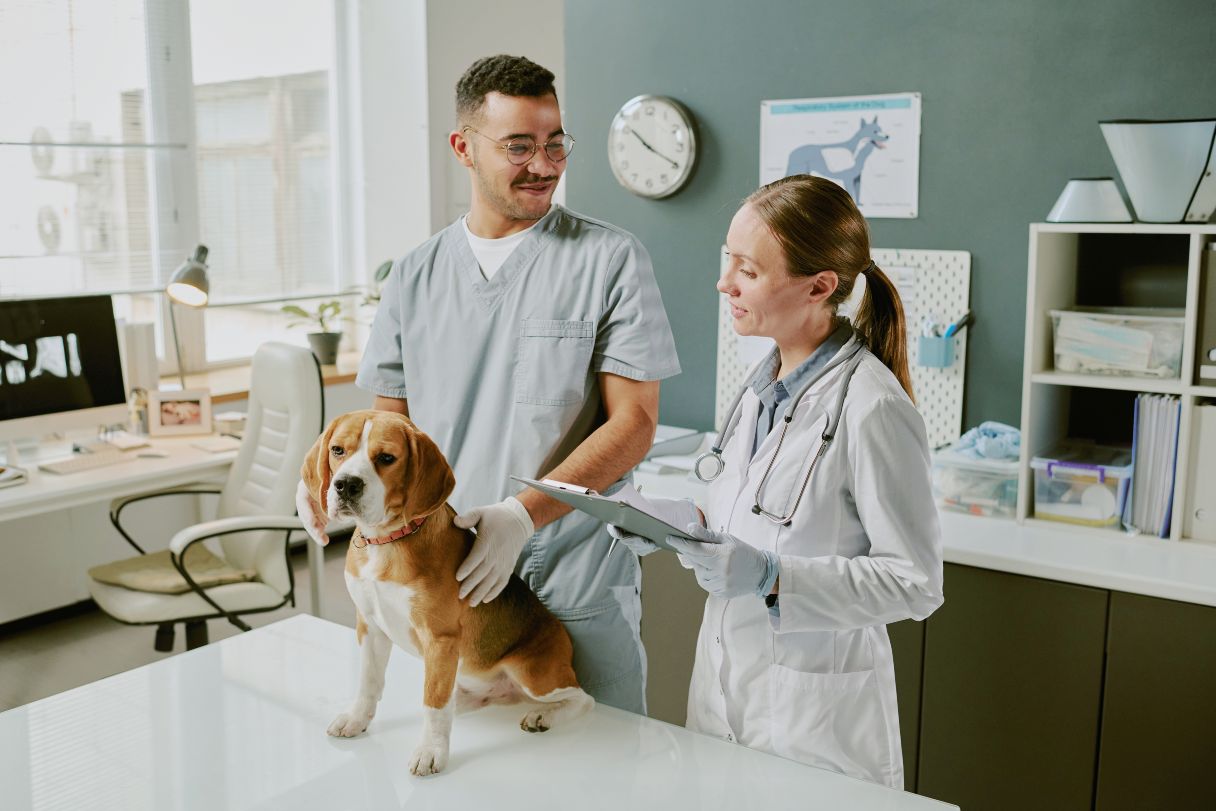
When your pet needs surgery, you feel fear first. You worry about pain, risk, and cost. You also want clear answers. Advanced surgical services in animal hospitals give you that clarity. You get better planning before surgery. You get safer care during surgery. You get closer watch after surgery. You also get more options when the problem is complex. A Fontana animal doctor who uses advanced tools can see more, cut less, and protect more healthy tissue. This means smaller wounds, less pain, and quicker return to normal life. It also means fewer surprises during surgery. You can ask direct questions and get clear steps. You know what will happen, why it is needed, and what recovery looks like. You gain control in a hard moment. You also give your pet the strongest chance for a safe and steady outcome.
1. Better planning before surgery
Advanced surgical care starts before any cut. It begins with strong planning. You see this in three clear steps.
- Better images
- Better risk checks
- Better surgery plans
First, advanced imaging gives a clearer picture. Tools like digital X-rays, ultrasound, and, in some hospitals, CT scans show what is wrong inside your pet. You get fewer guesses and more facts. The American Veterinary Medical Association explains that imaging helps find hidden problems early. That can change the whole plan.
Next, advanced hospitals run stronger blood work and heart checks. They test organ function. They check clotting. They look for hidden infection. You learn if your pet can handle anesthesia. You also learn what needs support during surgery. This kind of planning cuts surprise and lowers risk.
Finally, the surgeon builds a clear step-by-step plan. You see the goal of surgery. You see other options. You see what happens if you wait. That open talk helps you weigh risk and benefit with less doubt.
2. Safer anesthesia and pain control
Anesthesia is often your deepest fear. You worry your pet will not wake up. Advanced surgical services focus on this risk with care and skill.
- Closer watch during anesthesia
- Better tailored drug plans
- Stronger pain control plans
Modern animal hospitals use tools to watch heart rate, blood pressure, oxygen levels, and breathing. A trained staff member watches the screens and your pet the whole time. If anything changes, the team acts fast.
Drug plans are also more exact. The team picks drugs for your pet’s age, weight, and health. A small dog with a heart murmur does not need the same plan as a young cat. You get safer care because the team adjusts each step.
Pain control is planned, not guessed. Your pet may get pain medicine before, during, and after surgery. That steady control keeps stress low and helps healing. The United States Food and Drug Administration shares clear guidance on safe use of animal pain drugs in its resources on pain management for pets. That kind of science-based care shapes many hospital plans.
3. Smaller cuts and faster healing
Advanced tools can mean smaller cuts. Smaller cuts often mean faster healing and less risk of infection.
- Less tissue damage
- Shorter hospital stays
- Smoother return to routine
Some hospitals use special tools for soft tissue and bone work. Others offer scopes that go through small openings. These methods aim to protect healthy tissue around the problem.
When there is less damage, your pet often eats sooner, moves sooner, and rests better at home. You still need to follow home care rules. You still need to use an e-collar and limit running and jumping. Yet the path back to normal can feel steadier and less harsh.
4. Stronger monitoring after surgery
The hours after surgery are critical. Advanced hospitals treat this time with as much weight as the operation itself.
- Continuous checks in recovery
- Clear pain scoring
- Early response to problems
Your pet’s heart, breathing, and temperature get checked again and again. Staff watch for bleeding, swelling, or trouble waking up. They use pain scales made for dogs and cats. They adjust medicine when signs of pain change.
If your pet needs it, some hospitals offer short-term oxygen cages or IV pumps that give exact doses. This kind of close watch catches problems early. It also gives you clearer updates and better timing for going home.
5. More options for complex problems
Some problems need more than basic surgery. Advanced services open more doors.
- Joint and bone repair
- Soft tissue and cancer surgery
- Emergency and trauma care
Orthopedic tools help fix torn ligaments or broken bones. Soft tissue skills allow the removal of some tumors with cleaner edges. Emergency teams can handle internal bleeding, blocked organs, or severe wounds.
These options do not promise a cure every time. They do give you choices. You can ask about life quality, expected recovery, and cost in more detail. That control matters when you face a hard choice for a pet you love.
Sample comparison of basic vs advanced surgical care
| Feature | Basic surgical care | Advanced surgical services |
|---|---|---|
| Pre surgery checks | Basic exam and simple blood work | Full blood work, imaging, and heart checks |
| Anesthesia monitoring | Manual checks every few minutes | Electronic monitoring with constant staff watch |
| Surgical tools | Standard instruments and larger cuts | Advanced tools that often allow smaller cuts |
| Pain control | Pain shots after surgery only | Planned pain control before, during, and after surgery |
| Post surgery care | Short watch then discharge | Structured recovery checks and clear home plan |
How to talk with your animal hospital
You do not need medical training to ask strong questions. You only need clear goals. You want safety, comfort, and a fair chance for recovery. Before you agree to surgery, you can ask three key questions.
- What are the risks if we do surgery
- What are the risks if we wait or do not do surgery
- How will you control pain and watch my pet
You can also ask which tools the hospital will use, who will watch anesthesia, and what you must do at home. Write answers down. Ask for printed instructions. Ask who you can call if you see something strange after you go home.
Advanced surgical services do not remove all risk. No surgery is risk-free. Yet they do give you stronger planning, safer care, and more control. That support can steady you when fear hits hardest. It also gives your pet a real chance to heal and return to the simple joys that matter to your family.