4 Benefits Of Regular Wellness Exams For Pets
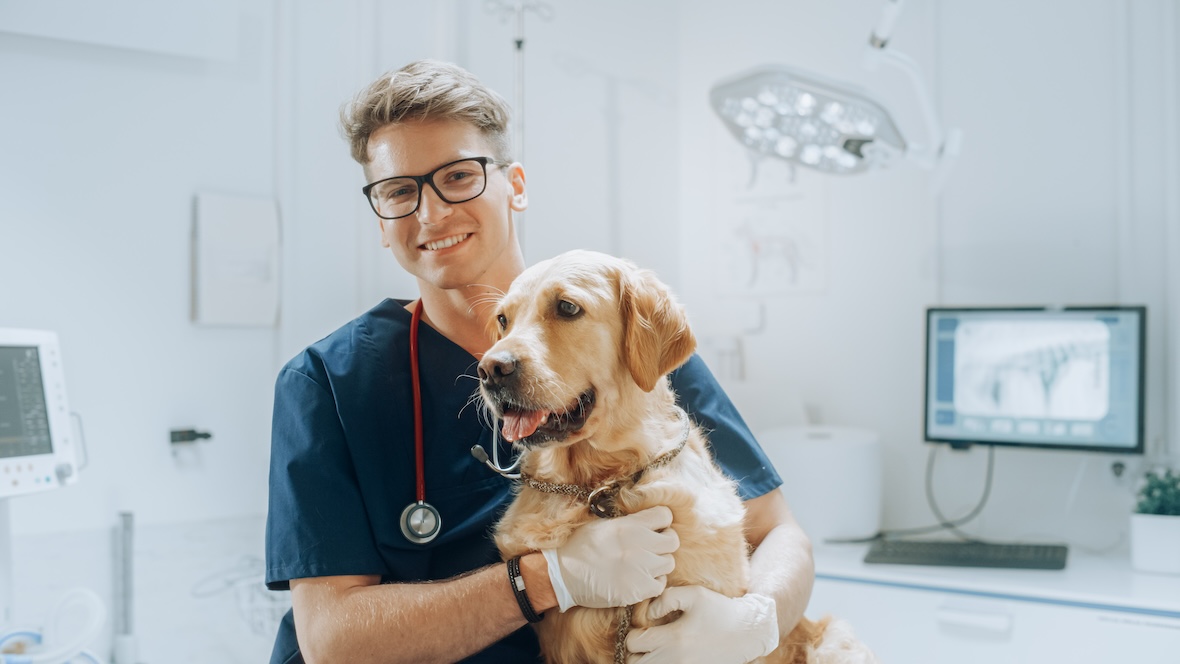
You want your pet to stay safe and comfortable for as long as possible. Regular wellness exams are how you do that. These visits protect your pet before small problems grow into emergencies. They also give you clear answers instead of worry and guesswork at home. During a checkup, your veterinarian in Lambertville, MI looks for changes that you might miss, explains what they mean, and helps you plan the next steps. You leave knowing what your pet needs right now. You also know what to watch for between visits. This blog explains four key benefits of routine wellness exams. You will see how these visits support early detection, vaccines, nutrition, and behavior. You will learn what to expect at each appointment so you can walk in prepared and calm. Your pet depends on you. Regular wellness exams give you the power to protect that trust.
1. Early detection of hidden health problems
Pets hide pain. You often do not see the first signs. A wellness exam catches quiet changes before they turn into long nights at an emergency clinic.
During a visit, the veterinarian checks your pet from nose to tail. You hear about changes in weight, heart, lungs, joints, teeth, skin, and eyes. The team may suggest blood work or urine tests. These tests can show kidney disease, liver disease, diabetes, or infection long before your pet acts sick.
The American Veterinary Medical Association explains that exams at least once a year are key for early detection and longer life.
Early detection gives you three clear advantages.
- You get more treatment options.
- You often pay less than you would for crisis care.
- Your pet avoids sudden sharp changes in health.
Quiet problems like heart disease or arthritis often move fast. Regular exams slow that path. You gain time to plan and act.
2. Strong protection through vaccines and parasite control
Vaccines and parasite control keep your pet safe from diseases that still cause harm in many homes. A wellness exam is the best time to update this protection and adjust it to your pet’s age, habits, and health.
During the visit, your veterinarian reviews which vaccines your pet needs. For dogs this can include rabies, distemper, parvovirus, and others. For cats this can include rabies and panleukopenia. You also talk about risk based on outdoor time, travel, and contact with other animals.
Next, you go over flea, tick, and heartworm prevention. These parasites spread disease and can damage organs. The U.S. Food and Drug Administration explains heartworm disease and the need for year round prevention at this FDA heartworm resource.
Here is a simple comparison of pets who get routine prevention and those who do not.
| Care choice | Short term impact | Long term impact |
|---|---|---|
| Regular vaccines and parasite prevention | Fewer sick visits. Lower infection risk. | Lower chance of serious disease. Lower lifetime care costs. |
| No routine prevention | Higher risk of fleas, ticks, and worms. | Higher risk of organ damage, chronic illness, and emergency bills. |
This choice is not about perfection. It is about steady protection that fits your pet and your home.
3. Better weight, nutrition, and daily comfort
Many pets gain extra weight over time. Extra weight puts strain on joints, heart, and lungs. It also shortens life span. A wellness exam gives you a clear picture of your pet’s body condition and food needs.
The veterinarian checks your pet’s weight and body shape. You hear if your pet is underweight, at a healthy weight, or overweight. You also talk about food type, portions, treats, and table snacks. Together you set simple steps that you can follow at home.
These visits support three parts of daily comfort.
- Healthy joints. Less strain from extra pounds.
- Steady energy. Food that matches age and activity.
- Digestive comfort. Fewer stomach and bowel problems.
Often you only need small changes. You may measure food with a cup instead of guessing. You might switch to a different formula. You might adjust treat habits. Over time these choices protect your pet from diabetes, arthritis pain, and breathing trouble.
4. Support for behavior and your bond with your pet
Behavior problems cause stress in many homes. Barking, biting, scratching, or house soiling can feel personal. Often they are early signs of pain, fear, or confusion. A wellness exam gives you a safe place to talk about these problems without shame.
The veterinarian first checks for pain or illness. A dog who growls when touched may have arthritis. A cat who misses the litter box may have a urinary problem. Treating the medical cause can ease the behavior.
Next, you talk about training and home routines. You can ask about crate use, social time, play, and mental exercise. You also learn how to read your pet’s body language. This helps you prevent bites and reduce fear.
These visits protect your bond in three ways.
- You feel heard and guided instead of alone.
- Your pet feels safer through gentle handling and clear routines.
- Your whole family learns the same rules and responses.
When you treat behavior as part of health, you protect both your pet and your home life.
What to expect at a wellness exam
Knowing the steps of a visit can calm worry, especially for children and new pet owners. A typical wellness exam includes these parts.
- History. You share changes in eating, drinking, energy, bathroom habits, and behavior.
- Physical exam. The veterinarian checks weight, heart, lungs, skin, coat, eyes, ears, mouth, belly, and joints.
- Tests. You may approve blood work, urine tests, or stool tests based on age and risk.
- Prevention. You review vaccines and parasite control and update them as needed.
- Plan. You leave with clear home steps, follow up dates, and signs that should prompt a call.
Each visit builds on the last. Your veterinarian can compare weight, heart sounds, and lab results over time. This record gives early warning when something changes.
Taking the next step for your pet
You cannot stop every illness or injury. You can act early, stay informed, and choose steady care. Regular wellness exams turn fear of the unknown into a clear plan.
If it has been more than a year since your pet’s last checkup, call your veterinarian in Lambertville, MI and schedule a visit. Bring questions. Bring notes about any changes you have seen. You are not expected to know everything. You are only expected to show up and speak for the animal who cannot speak for itself.
Your pet gives you trust every day. Regular wellness exams are how you honor that trust with action.