3 Tips to Building Safer Habits through Informed and Responsible Herbal Use
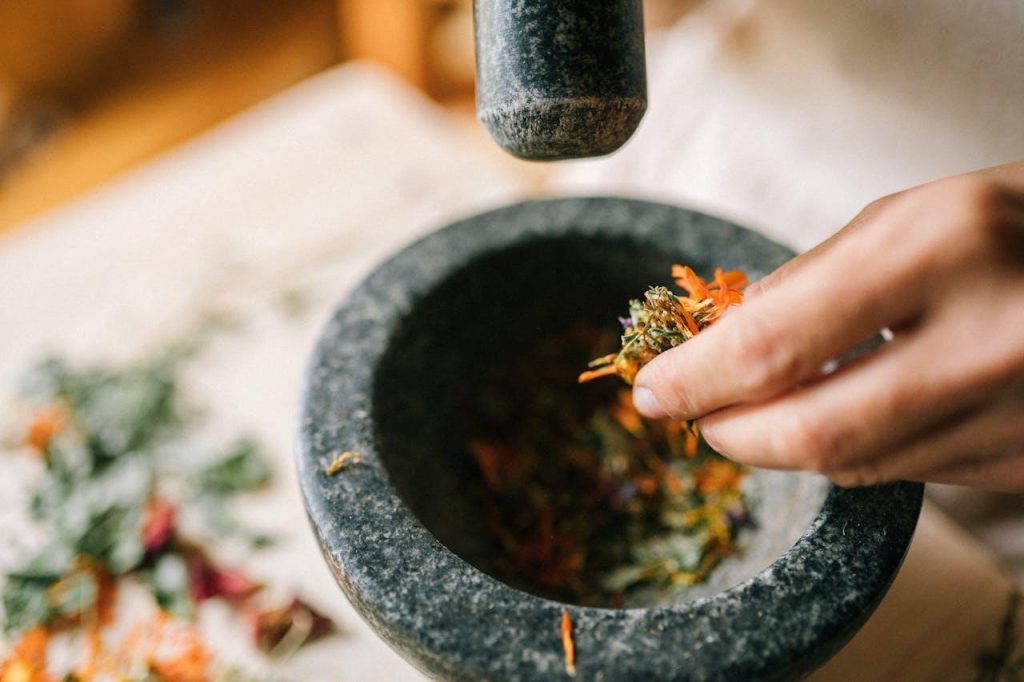
Many people view nature as a gentle provider. They assume that because something grows from the ground, it must be inherently safe to consume in any quantity. While botanicals offer incredible support for wellness, they are potent substances that interact with human biology in complex ways.
Building a relationship with these plants requires respect and intention. It is not just about taking a supplement. It is about creating a routine that honors both the plant and your own physiology. You have the power to curate a regimen that supports your goals, but that power comes with the responsibility to be informed.
Research Herbal Products
The first step in any wellness journey involves gathering accurate information. You wouldn’t eat a mysterious berry in the woods without knowing what it is. The same logic applies here. Before introducing a new botanical into your life, you must understand what it is and what it does.
Read the scientific names to ensure you are getting the specific species you want. Look for potential interactions with other things you consume. When you begin looking into different options, you might stumble upon everything from common teas to specific award-winning cannabis seeds that catch your interest.
It is vital to look past the marketing and understand the actual properties of the item you are considering. Finding a supplier that values transparency is crucial for your safety. You might look at a catalog from You might look at a catalog from Humboldt Seed Company and notice they list detailed specs, which is a good sign of legitimacy. Always cross-reference what you find with reputable databases or herbal manuals.
Understand Dosage and Methods
More is not always better. In fact, with herbs, the opposite is often true. A small quantity might provide the gentle support you need, while a large amount could overwhelm your system or cause adverse effects.
Finding the minimum effective amount helps you gauge tolerance without taking unnecessary risks. Every person has a unique metabolism. What works for your friend might be too strong or too weak for you. Start with a lower amount than recommended to see how you handle it.
The way you consume an herb changes how it impacts you. Drinking a tea creates a different experience than taking a concentrated tincture or a capsule. Teas are often milder and enter the bloodstream gradually. Tinctures can be potent and act quickly.
Capsules might take longer to break down in the digestive system. Choose the format that aligns with your lifestyle and your comfort level. Do not rush to try the most potent method available immediately.
Listen to Your Body’s Signals
Your physical response is the most accurate gauge of success. No book or expert can tell you exactly how you feel. You must cultivate a high level of self-awareness. Pay close attention to subtle shifts in your energy, digestion, sleep quality, and mood.
These are the indicators that tell you if a habit is serving you or harming you. If you notice a headache or a slump in energy after starting a new regimen, do not ignore it. Pushing through discomfort is rarely the right answer in herbalism. If something feels off, pause your usage.
Reassess the amount you are taking or the frequency. It is perfectly acceptable to stop using something that does not agree with you.
Conclusion
Building safer habits with herbal products begins with knowledge, patience, and self‑awareness. When you take the time to research what you are using, understand how much your body can handle, and pay attention to how you feel, you create a routine that supports your well‑being rather than putting it at risk. Responsible use is not about fear. It is about making choices that respect both the power of the plant and the needs of your own body.
With careful study, mindful dosing, and honest listening to your physical signals, you can build a relationship with herbs that is both effective and sustainable. This thoughtful approach helps you enjoy the benefits of botanicals while keeping your long‑term health at the center of every decision.