10 Tips for Maintaining Plastic Buckles Longevity
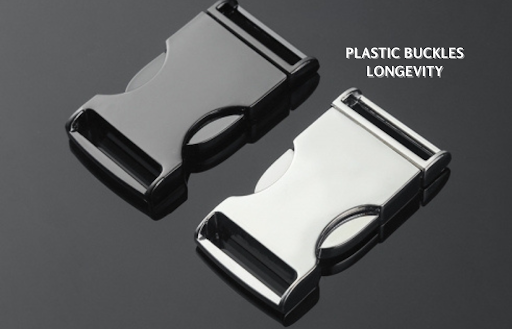
Plastic buckles, commonly found in backpacks, outdoor gear, belts, and various products, are lauded for their durability. However, to ensure their longevity and optimal performance, it’s crucial to implement proper maintenance strategies. In this comprehensive guide, we’ll delve deeper into effective tips for maintaining the longevity of plastic buckles, safeguarding your gear investment.
1. Precision Engineering for Varied Applications:
Plastic Buckles Manufacturers engage in precision engineering to create buckles tailored to meet the demands of different industries. Whether for outdoor gear, automotive applications, or safety equipment, these manufacturers employ cutting-edge techniques to ensure the production of high-quality buckles that withstand specific usage scenarios.
2. Choose Quality Buckles:
The foundation for durable Plastic Buckles starts with the purchase decision. Opt for products from reputable brands that prioritize quality materials and robust manufacturing processes. Investing in high-quality buckles initially can significantly impact their lifespan.
3. Consider Material Composition:
When selecting plastic buckles, pay attention to the material composition. High-quality buckles are often made from durable polymers or reinforced plastics that can withstand the rigors of regular use. These materials provide excellent resistance to environmental factors such as UV exposure, moisture, and temperature variations, contributing to the longevity of the buckle.
4. Clean Regularly:
Routine cleaning is imperative to prevent the buildup of dirt and debris that can compromise the functionality of plastic buckles. Utilize a soft brush or cloth for regular cleaning and, if needed, a mild soap solution. Thoroughly dry the buckles after cleaning to prevent moisture-related issues.
5. Avoid Overloading:
Understanding weight limits is paramount when it comes to plastic buckles. Overloading these components can lead to stress, deformation, and irreversible damage. American Cord and Webbing meticulously determines weight limits based on the material’s tensile strength and overall design. Ignoring these guidelines may compromise the structural integrity of the buckle, affecting its ability to securely fasten and release.
6. Store Properly:
Proper storage conditions play a pivotal role in preserving plastic buckle integrity. Store items with plastic buckles in a cool, dry place, away from direct sunlight. Prolonged exposure to sunlight can cause plastic to degrade and become brittle over time, affecting its longevity.
7. Lubricate Moving Parts:
For plastic buckles with intricate moving parts, such as release mechanisms, incorporating occasional lubrication into your maintenance routine is crucial. These moving components are prone to wear and friction, and a small amount of silicone-based lubricant can work wonders in maintaining their smooth operation. The lubricant creates a protective layer, reducing friction and preventing premature wear.
When applying the lubricant, ensure that it reaches all the moving parts, especially the hinge points and areas where components interact. Gently operate the buckle several times after application to allow the lubricant to distribute evenly. This practice not only enhances the functionality of the buckle but also contributes to its longevity.
8. Inspect for Wear and Tear:
Frequent inspections are crucial for identifying signs of wear and tear. Regularly check for cracks, deformities, or any irregularities that may compromise the buckle’s functionality. Prompt replacement of damaged buckles is essential to prevent further issues.
9. Establish an Inspection Schedule:
To ensure thorough and consistent functionality, establish a regular schedule of inspections based on the frequency of use and environmental conditions. Items that see daily use or are exposed to harsh elements may require more frequent inspections. A well-defined schedule helps in early detection of potential issues, minimizing the risk of unexpected failures.
10. Avoid Harsh Chemicals:
Protect plastic buckles from exposure to harsh chemicals and solvents. Such substances can accelerate deterioration. Stick to mild cleaning solutions and gentle cleaning methods to preserve the longevity of the buckles.
11. Ensure Proper Alignment:
Check the alignment of plastic buckles regularly. Misalignment can lead to increased stress and wear on specific areas, potentially shortening their lifespan. Adjust and realign buckles as needed to ensure proper function.
Conclusion:
By integrating these advanced strategies into your maintenance routine, you can significantly extend the lifespan of your plastic buckles. From initial quality considerations to meticulous cleaning practices and proper usage, these tips collectively contribute to the longevity and reliability of plastic buckles, ultimately saving you from the inconvenience of premature replacements.
FAQs:
Can I use any lubricant on my plastic buckles?
It’s recommended to use silicone-based lubricants for plastic buckles with moving parts. Avoid oil-based lubricants as they may attract dust and compromise performance.
How often should I inspect my plastic buckles for wear and tear?
Regular inspections every few weeks are advisable, especially if the buckles are subjected to frequent use or heavy loads.
Can I repair a cracked plastic buckle?
In most cases, it’s best to replace a cracked buckle rather than attempting to repair it. Cracks compromise the structural integrity of the buckle, affecting its performance.
Are there specific weight limits for plastic buckles?
Yes, manufacturers provide weight limit guidelines for plastic buckles. Adhering to these limits is crucial to prevent overloading and subsequent damage.
How can I realign misaligned plastic buckles?
Carefully examine the alignment and, if necessary, adjust the positioning of the buckles to ensure they are properly aligned, reducing stress and wear.